Views: 0 Author: Site Editor Publish Time: 2026-09-12 Origin: Site


Softness in toilet paper isn't an accident or a marketing gimmick. It's the result of specific choices in fiber, ply count, embossing, and finishing that determine how a sheet feels against skin. Some rolls are built for everyday household use, others for high-traffic commercial bathrooms, and a growing number are designed specifically for people with sensitive or reactive skin. Understanding these differences helps buyers, distributors, and everyday shoppers pick the right product instead of guessing based on packaging alone.
This matters more than most people realize. Toilet paper touches skin dozens of times a day across a household or business, and the wrong choice can mean irritation, tearing, or simply an unpleasant experience that leaves customers unhappy. For manufacturers and buyers alike, softness is one of the clearest signals of overall product quality.

Softness comes down to three main factors: the raw fiber used, how many plies the sheet has, and the finishing process applied after the paper is formed.
Fiber source: Virgin wood pulp produces longer, finer fibers that create a smoother surface than recycled pulp, which often contains shorter, coarser fibers.
Ply count: A single-ply sheet is thinner and often feels rougher, while two-ply or three-ply sheets trap air between layers, adding cushioning and strength.
Embossing and lamination: Manufacturers press patterns into the sheet to increase surface area and bulk, which softens the texture without adding excessive material.
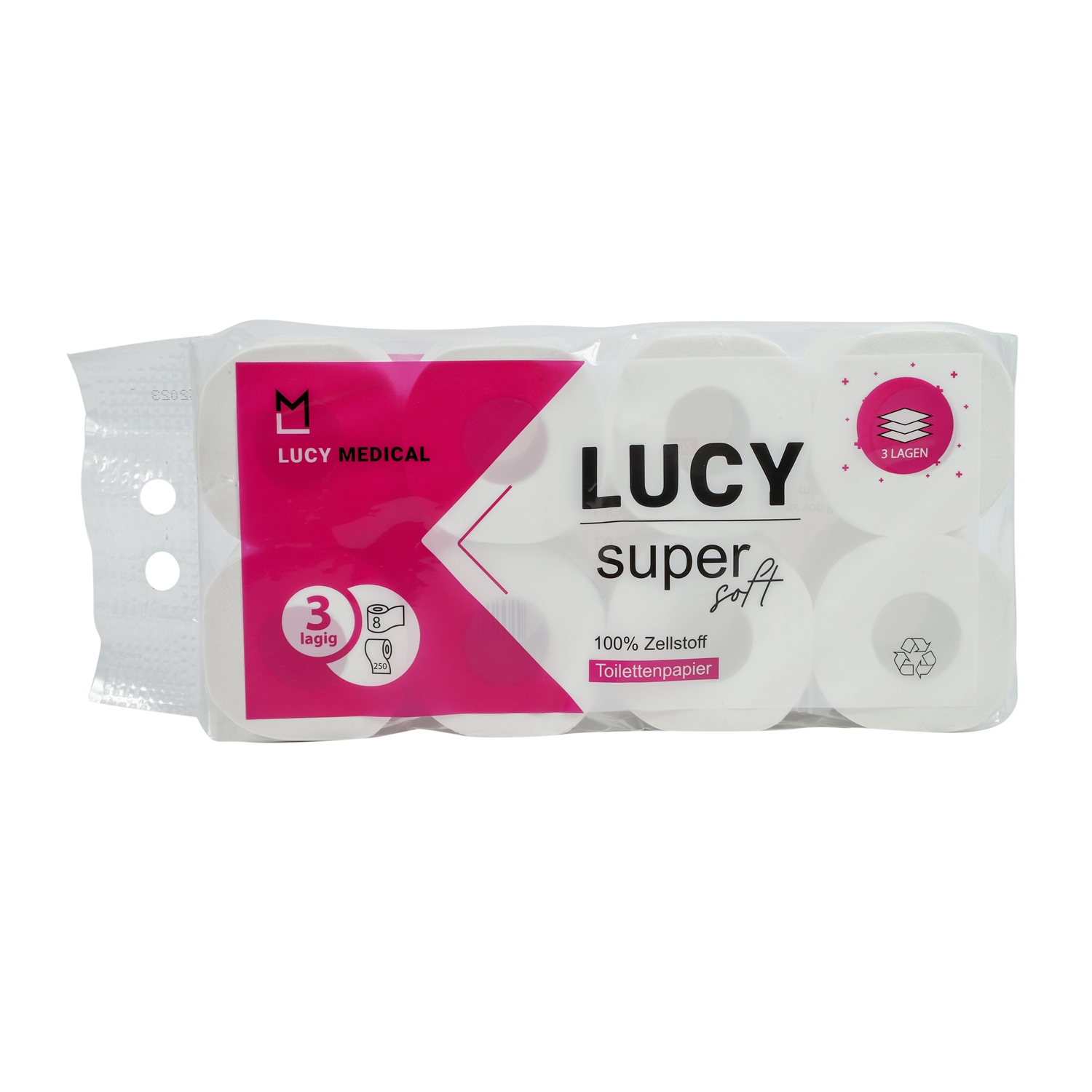
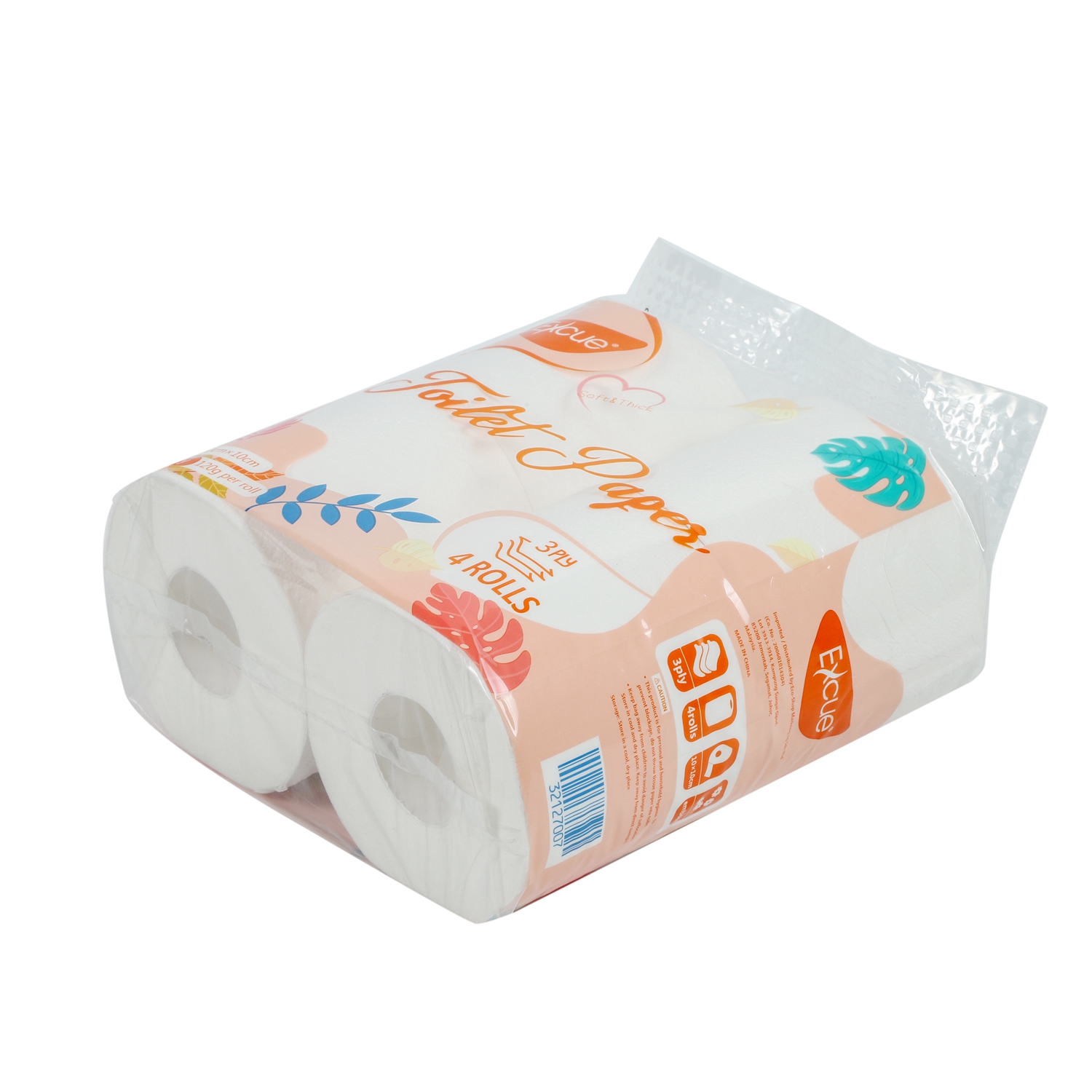
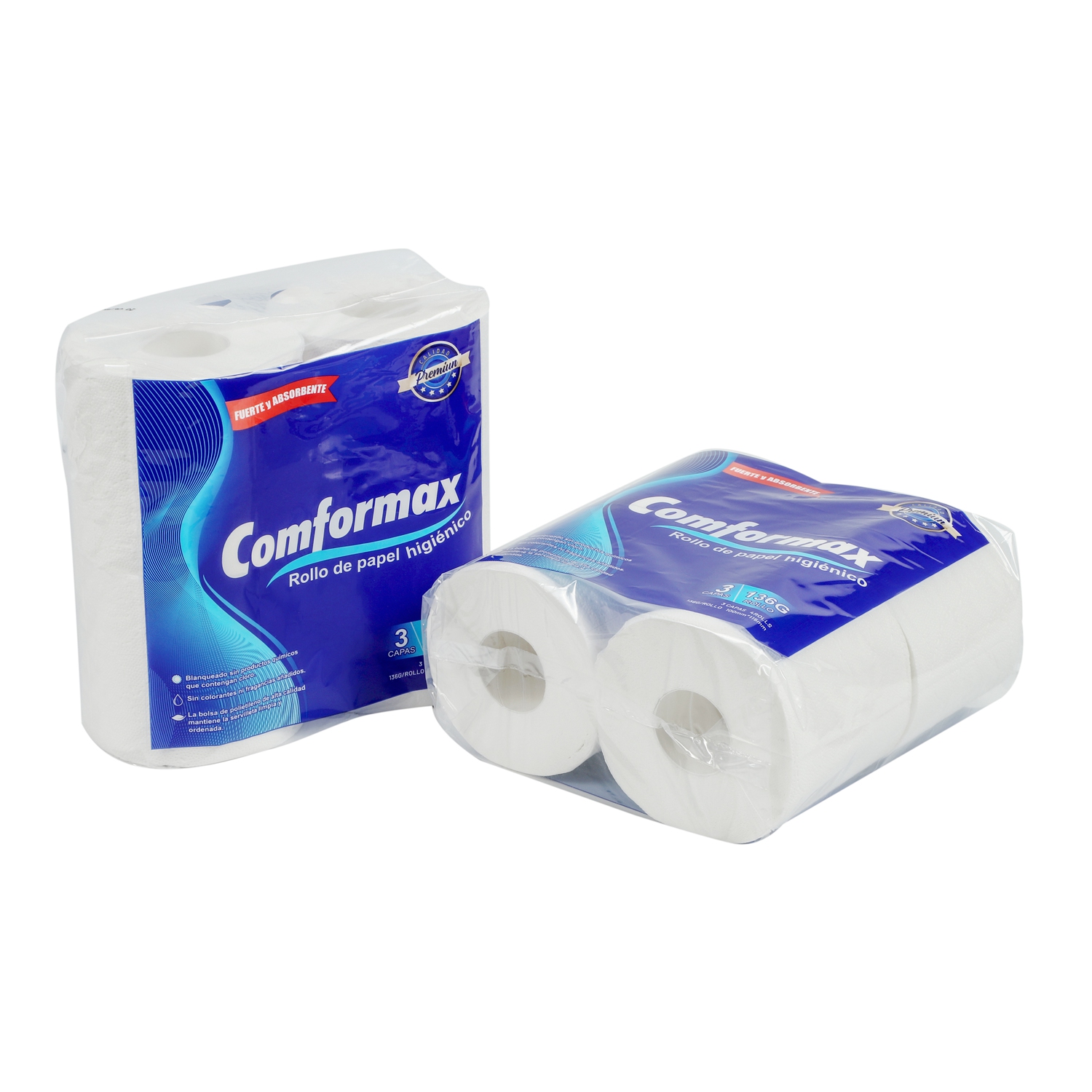
A basic standard toilet roll, like the ones many households use daily, typically balances softness with cost, using moderate ply counts and a mix of pulp sources to keep pricing accessible.
The table below breaks down how common toilet paper categories stack up against each other. None of the products named here link out further, since this comparison is meant purely for reference.
Paper Type | Typical Ply | Fiber Source | Softness Level | Best Use Case |
|---|---|---|---|---|
Economy 1-ply | 1 | Recycled pulp | Low to moderate | High-volume, cost-sensitive settings |
Standard 2-ply | 2 | Mixed virgin/recycled | Moderate | Everyday household use |
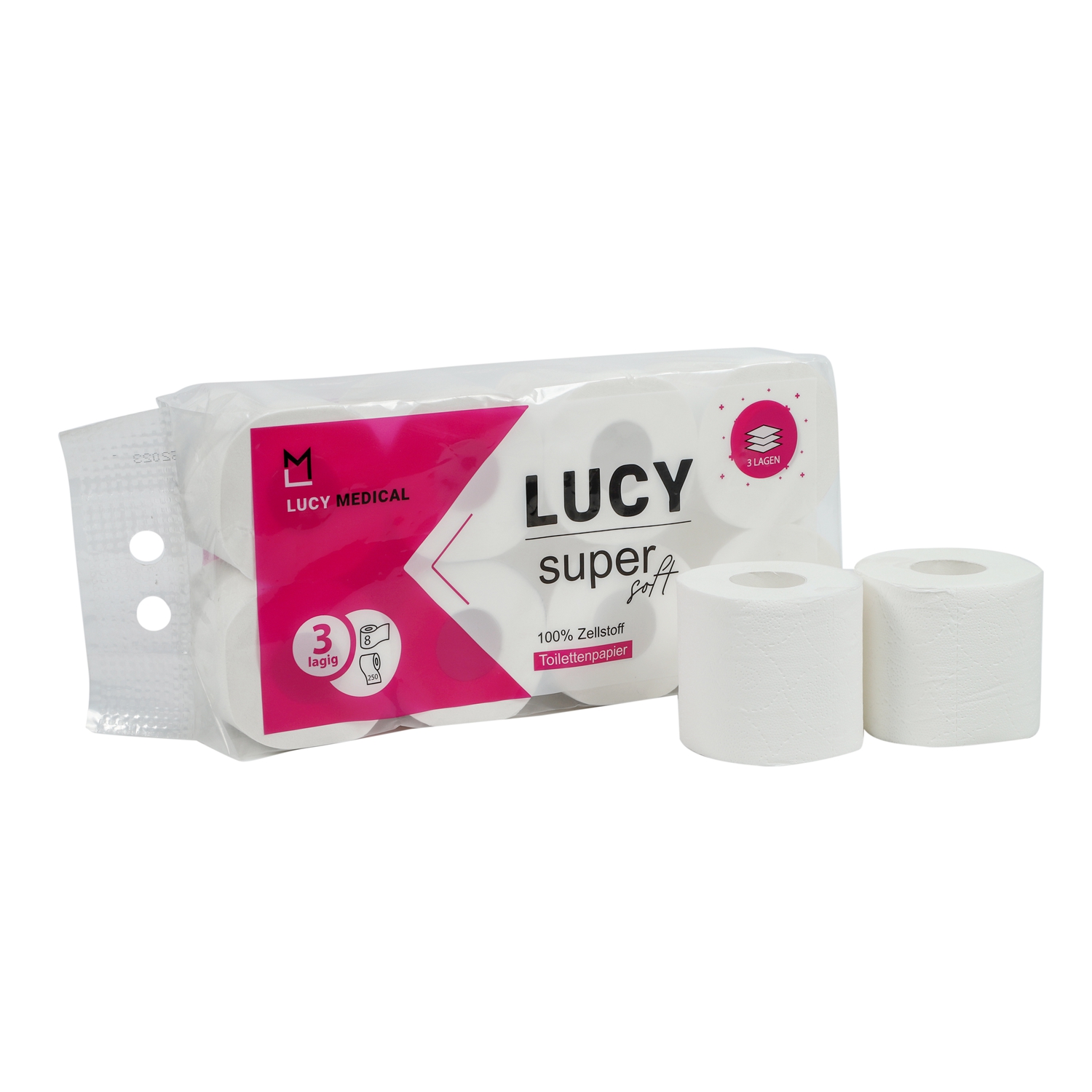
Premium 3-ply | 3 | Virgin wood pulp | High | Sensitive skin, guest bathrooms |
Commercial jumbo roll | 1-2 | Mixed pulp | Low to moderate | Offices, restaurants, public facilities |
This kind of comparison is useful for distributors evaluating supplier catalogs, since ply count and fiber source are usually listed on spec sheets and directly predict how a roll will perform once it reaches the shelf.
For people with eczema, dermatitis, or general skin sensitivity, softness isn't about comfort alone — it's about avoiding irritation. Rougher fibers and certain bleaching chemicals used in low-cost paper can trigger redness or discomfort with repeated contact. This is why products marketed as toilet paper for sensitive skin typically rely on unbleached or gently processed virgin pulp, skip added fragrances, and use a higher ply count to reduce friction during use.
Baoda Paper, a tissue manufacturer operating since 1998, builds its softer product lines around this exact principle. Rather than relying on recycled fiber blends to cut costs, the company sources higher-grade pulp and applies embossing techniques that increase cushioning without weakening the sheet. This approach reflects a broader focus within the company on stable quality across its full catalog, from bathroom tissue to napkins and paper towels, rather than treating softness as a premium add-on reserved for a single product line.
Softness and strength often seem like they should trade off against each other, but well-engineered paper achieves both. Wet strength, tensile strength, and absorbency all influence how a sheet performs once it's actually being used, not just how it feels sitting on a shelf. A soft sheet that falls apart on contact isn't actually a better product; it just shifts the frustration from texture to durability.
This is where manufacturing scale and process control matter. A paper mill that manages production from jumbo roll to finished product, rather than outsourcing steps to multiple suppliers, has more control over consistency across batches. Baoda Paper's operation, which spans a large production facility and produces tens of thousands of tons annually, is built around this kind of end-to-end control, which is part of why its output can maintain consistent softness and strength across large orders.
Not every setting calls for the same product. A busy restaurant bathroom has different priorities than a home bathroom stocked for a family member with sensitive skin.
Households prioritizing comfort: Two-ply or three-ply rolls with virgin pulp content offer the best balance of softness and everyday practicality.
Businesses managing high traffic: A paper toilet commercial supply, often in jumbo roll format, prioritizes cost-efficiency and volume over premium softness, though quality still varies significantly between suppliers.
Buyers sourcing for sensitive users: Hospitals, elder care facilities, and households with skin conditions benefit most from unbleached, fragrance-free, higher-ply options.
Choose a premium three-ply product if comfort and skin sensitivity are the priority. Choose a standard two-ply roll if everyday value matters more than maximum softness. And choose commercial-grade paper if the setting demands high volume at a manageable cost, accepting a slight tradeoff in texture.
The softest toilet paper isn't defined by branding or price alone. It comes from deliberate choices in fiber sourcing, ply construction, and finishing that manufacturers make long before a roll reaches a store shelf. Buyers who understand these factors, whether they're stocking a household bathroom or sourcing pallets for a commercial account, are better equipped to match the right product to the right setting instead of relying on guesswork.
For distributors and retailers evaluating suppliers, asking direct questions about fiber source, ply count, and production consistency will reveal far more about actual softness than packaging claims ever will.
Does a higher ply count always mean softer paper?
Generally yes, since more layers add cushioning, but ply count matters less than fiber quality. A well-made two-ply sheet using virgin pulp can feel softer than a poorly made three-ply sheet using rough recycled fiber.
Is recycled toilet paper always rougher than virgin pulp paper?
Not always, but it tends to be. Recycled fibers are shorter and less flexible after processing, which typically results in a coarser texture compared to virgin wood pulp.
What should someone with sensitive skin look for on a label?
Look for unbleached or minimally processed pulp, no added fragrance, and a higher ply count. These factors reduce the chance of irritation during regular use.
Is commercial-grade toilet paper always lower quality?
Not necessarily. Commercial paper is optimized for volume and cost-efficiency in high-traffic settings, but quality still varies by manufacturer, so it's worth checking specifications rather than assuming lower cost means lower quality.
Related News





Connect with us
If you have any questions or sourcing requirements for household tissue paper products, please feel free to contact our sales team.
Baoda Paper, established in 1998, is a certified tissue paper manufacturer with 30,000‑ton annual capacity, supplying worldwide markets.
Our professional team will provide detailed product info and custom‑tailored solutions for you.
Mob:0086-13380963281
E-mail:sale@baodapaper.com

| | Address: Xinyuan Industrial Development , Xinhui District , Jiangmen City, Guangdong province , China |
| | Custom Support & Sale: +86-750-6895212 |
| | phone: +86-13380963281 |
| | E-mail: sale@baodapaper.com |