
Views: 0 Author: Site Editor Publish Time: 2026-07-24 Origin: Site


TL;DR:
Sourcing toilet paper in bulk involves more than comparing price per roll. Buyers need to evaluate fiber type, ply count, manufacturing transparency, and supplier reliability. This post breaks down the key factors that separate a smart wholesale purchase from a costly mistake—and why working with an experienced manufacturer makes all the difference.
Procurement managers and business owners who buy tissue products at scale face a consistent challenge: the market is crowded, product specs vary widely, and supplier claims aren't always backed by manufacturing reality. A roll that looks identical on paper can perform very differently in a hotel bathroom versus a corporate restroom—and when you're ordering by the pallet, those differences add up fast.
This guide is designed for buyers who want to make informed, strategic sourcing decisions. We'll cover what drives product quality, how to evaluate suppliers, and what the full production chain looks like—from raw fiber to finished roll.
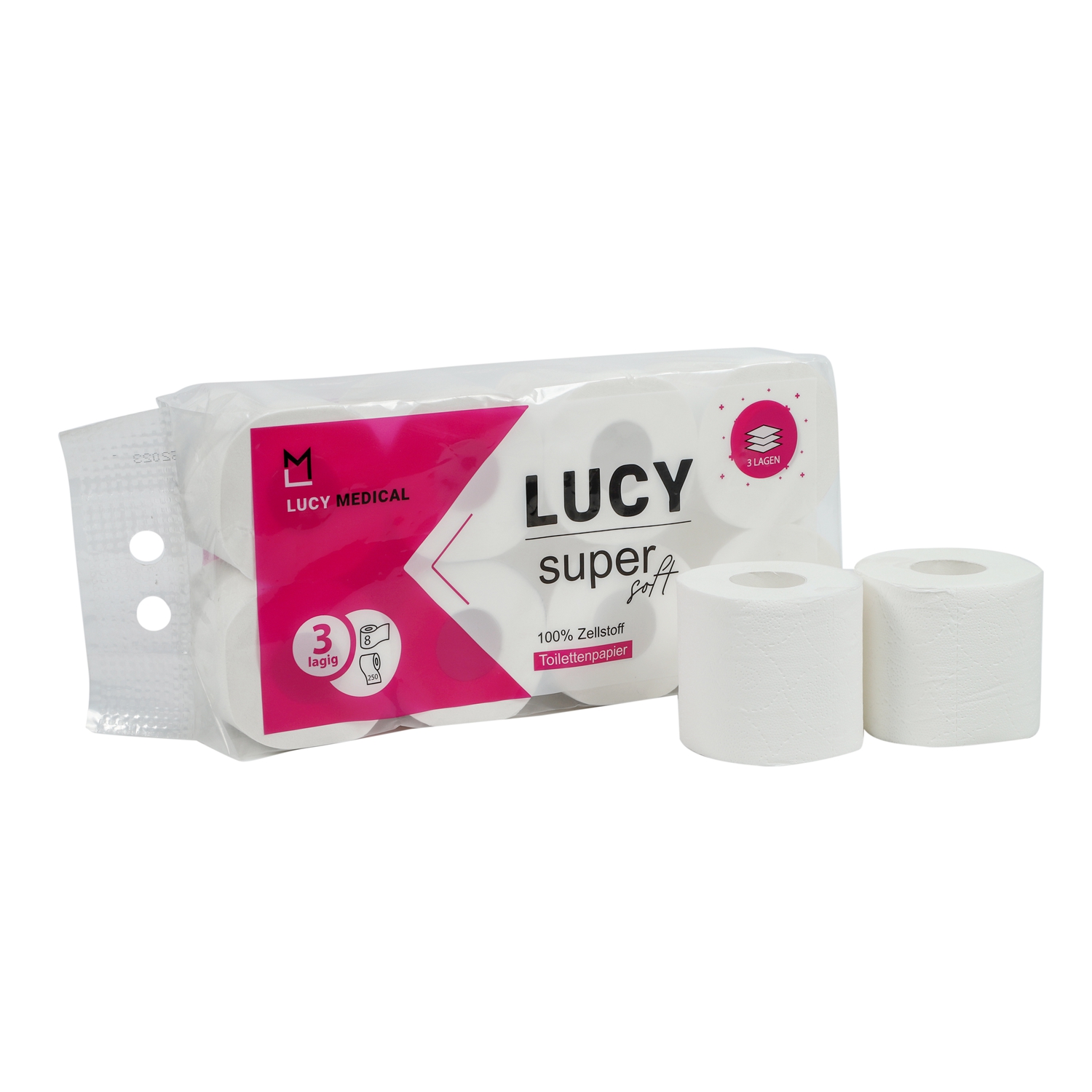
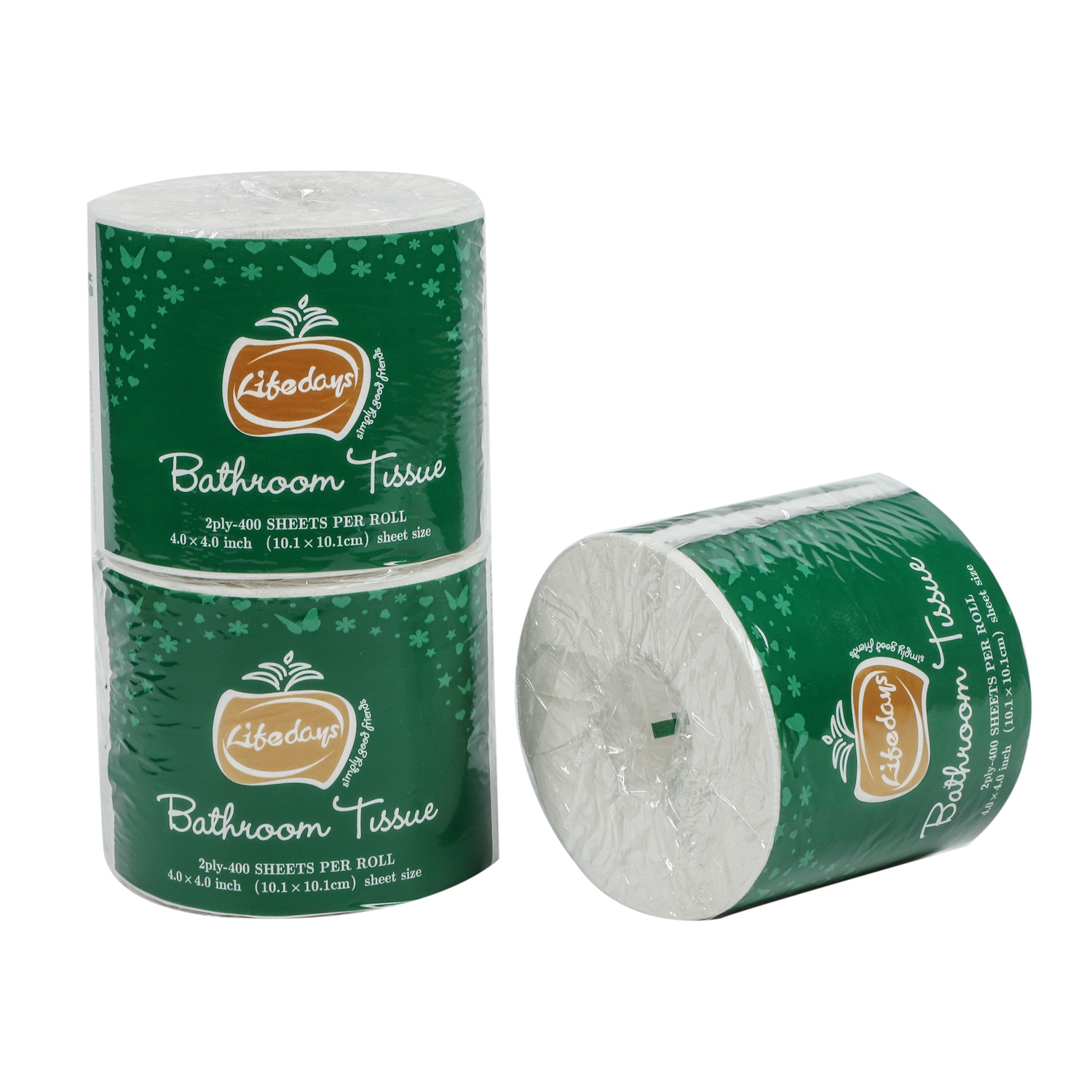
The performance of any toilet paper product—softness, tensile strength, absorbency—begins with the fiber used to produce it. There are two primary fiber sources in the industry:
Virgin wood pulp is sourced directly from trees, producing fibers that are long, strong, and naturally soft. Products made from virgin pulp offer superior wet strength and a cleaner, more consistent texture—critical attributes for premium-tier buyers.
Recycled fiber is derived from post-consumer or post-industrial paper waste. It's more cost-effective and environmentally positioned, but typically yields a coarser texture and lower wet strength, making it better suited to budget or industrial applications.
Understanding the raw material for making toilet paper is the foundation of every sourcing decision. A supplier who controls their own pulp-to-product process—rather than outsourcing to third-party converters—can guarantee far more consistency in fiber quality and finished product specifications.
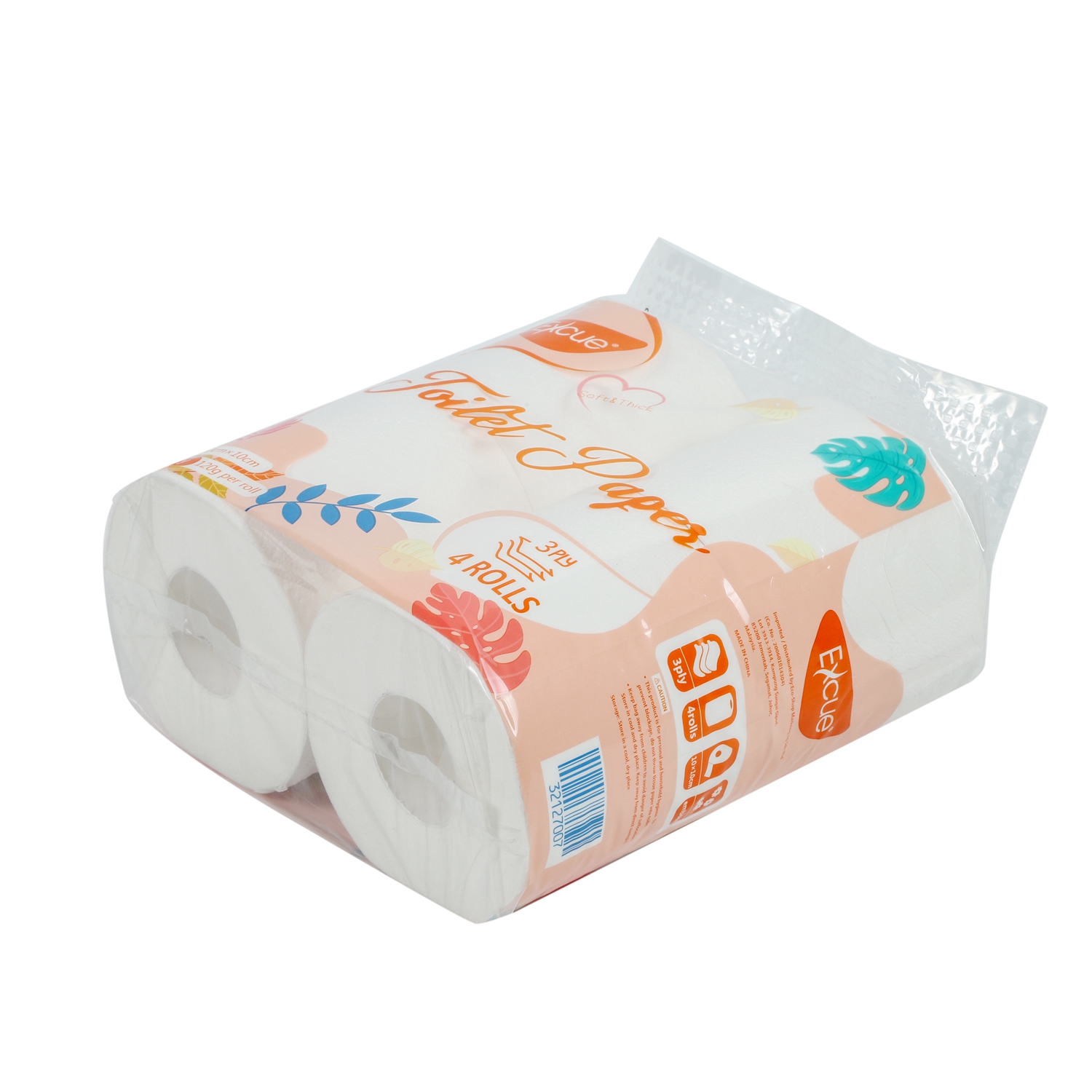
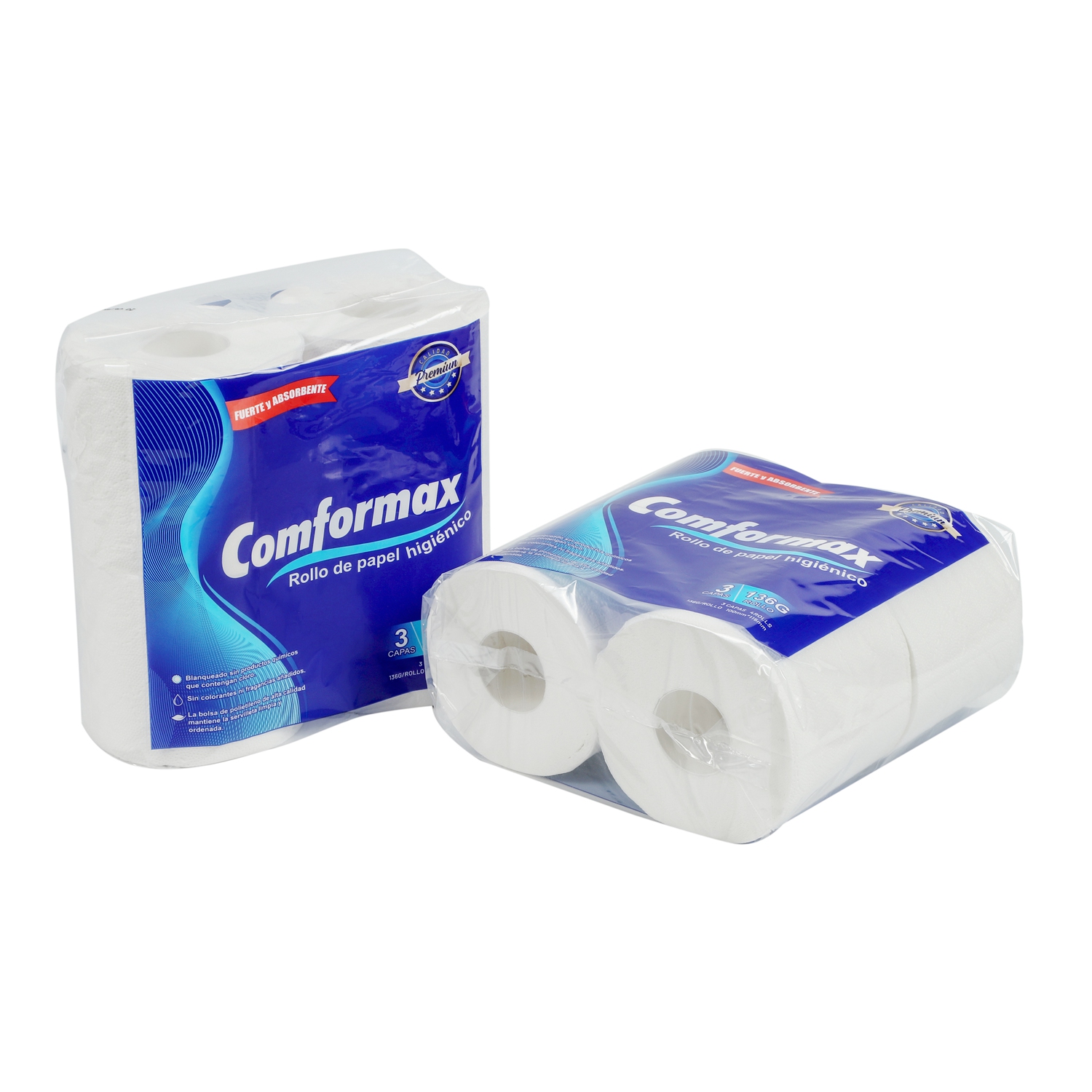
Not all toilet tissue is built to the same standard. When evaluating suppliers, request detailed spec sheets and compare across these dimensions:
Specification | Standard Grade | Premium Grade |
|---|---|---|
Ply Count | 1-ply | 2-ply or 3-ply |
Sheet Count per Roll | 150–250 sheets | 300–500 sheets |
Roll Diameter | 90–100 mm | 100–120 mm |
Fiber Type | Recycled pulp | Virgin wood pulp |
Embossing | Flat or basic | Deep embossed |
Wet Strength | Low | High |
Whiteness (ISO Brightness) | 70–80% | 85–92% |
Packaging | Plain wrap | Custom branded |
These specifications directly influence cost, user experience, and how well the product holds up to high-traffic use. For institutional buyers—hotels, hospitals, schools—ply count and wet strength tend to be the most critical variables. For retail-focused buyers, softness, whiteness, and packaging aesthetics matter more.
The difference between sourcing from a trading company and sourcing directly from a manufacturer is significant—and it compounds at volume.
Manufacturers control the full production chain, from raw pulp processing to roll cutting, packaging, and quality inspection. That means fewer intermediaries, tighter quality control, and better pricing leverage. It also means you can request product customization—specific dimensions, sheet counts, embossing patterns, and branded packaging—that a trading company simply can't deliver.
Baoda Paper Enterprise Co., Ltd. was founded in 1998 in Jiangmen City, Guangdong Province, China, making it one of the earliest tissue manufacturers in the country. Over the past 25+ years, Baoda has developed a vertically integrated production model: the company produces its own jumbo rolls in-house and converts them into finished products across a full category range—toilet tissue, hand roll towels, facial tissue, paper napkins, kitchen towels, and more. With a factory exceeding 20,000 m² and an annual output of over 30,000 tons, Baoda operates at a scale that supports large, consistent wholesale orders without compromising on product quality.
For buyers exploring toilet rolls wholesale partnerships, this kind of manufacturing depth is a meaningful differentiator. It means supply chain stability, traceable quality standards, and a supplier relationship built on production capability—not resale margins.
Customization is increasingly standard in the wholesale tissue market. Buyers sourcing for private-label retail, hospitality groups, or corporate facilities expect products tailored to their specifications—not generic stock.
Common customization options include:
Ply and sheet count adjusted per SKU
Roll dimensions matched to specific dispenser formats (especially important for jumbo roll tissue used in commercial settings)
Embossing patterns for texture and visual differentiation
Packaging design including custom logos, color printing, and language-specific labeling
Poly wrap vs. kraft paper wrap depending on brand positioning
Baoda Paper supports OEM and ODM orders, working directly with buyers to develop product specifications that align with their market requirements. This is particularly valuable for importers or distributors who want a consistent product identity across markets.
For buyers who need a high-volume roll paper toilet solution with flexible specifications, Baoda's in-house production capacity means customization requests don't create lead time bottlenecks—because the manufacturing happens under one roof.
Before placing a wholesale order, run through these due diligence steps:
Request a factory audit or third-party inspection report. Verified manufacturers should have no hesitation sharing facility documentation.
Ask for product samples across ply counts. Test absorbency, wet strength, and tear resistance under realistic conditions.
Clarify minimum order quantities (MOQs). Strong manufacturers typically offer tiered MOQs that accommodate both trial orders and full-volume purchasing.
Review lead times and shipping terms. For international buyers, understanding FOB vs. CIF pricing and typical production-to-port timelines matters.
Check for quality certifications. ISO certification and FSC-certified fiber sourcing are important signals of operational rigor.
Baoda Paper's team includes over 100 employees, the majority of whom carry more than five years of industry experience. That depth of knowledge translates into fewer production errors, faster problem resolution, and a supplier relationship that improves over time.
Buying toilet paper at scale is a procurement decision that affects cost, quality, and your end user's experience—every single day. The best wholesale outcomes come from suppliers who understand the full production chain, maintain rigorous quality standards, and have the capacity to grow with your business.
Baoda Paper has spent more than two decades building exactly that kind of operation. From raw material processing through to finished product delivery, every stage of production is managed in-house—giving buyers the consistency, customization, and competitive pricing that define a reliable long-term partnership.
Ready to explore wholesale sourcing with a manufacturer that's been doing this since 1998? Contact Baoda Paper at sale@baodapaper.com or visit baodapaper.com to request samples and pricing.
MOQs vary by supplier and product type, but most manufacturers set minimums at the pallet or container level. Baoda Paper accommodates both trial and full-volume orders—contact their sales team for specific MOQ details based on your product selection.
For high-traffic commercial environments—hotels, hospitals, office buildings—virgin wood pulp products offer better wet strength and a softer texture, which improves user satisfaction and reduces paper waste from tearing. Recycled fiber is better suited to cost-sensitive or sustainability-focused applications.
Production lead times are typically 15–30 days, depending on order volume and customization requirements. Shipping time from Guangdong to major international ports adds 20–45 days, depending on destination.
Yes. Manufacturers like Baoda Paper support private-label and OEM orders, including custom packaging design, logo printing, and language-specific labeling for international markets.
Look for ISO 9001 quality management certification, FSC certification for sustainable fiber sourcing, and any relevant regional safety or hygiene standards applicable to your market.

| | Address: Xinyuan Industrial Development , Xinhui District , Jiangmen City, Guangdong province , China |
| | Custom Support & Sale: +86-750-6895212 |
| | phone: +86-13380963281 |
| | E-mail: sale@baodapaper.com |

