
Views: 0 Author: Site Editor Publish Time: 2026-10-22 Origin: Site


Softness has become the single most common claim stamped on toilet paper packaging, yet few shoppers understand what actually creates that plush feel against the skin. The truth has little to do with clever branding and everything to do with raw materials, ply construction, and manufacturing precision. For distributors, hospitality buyers, and retailers evaluating suppliers, understanding these fundamentals separates products that earn repeat customers from those that generate complaints.
This distinction matters more than ever as consumers grow pickier about bathroom tissue. A roll that feels rough or sheds lint doesn't just disappoint one buyer — it damages a brand's reputation across an entire product line. Companies sourcing soft toilet paper for retail shelves or hotel bathrooms need a working knowledge of what drives quality, so they can ask suppliers the right questions before placing an order.
This article breaks down the manufacturing factors behind soft, durable tissue, explains how sourcing decisions affect long-term business outcomes, and shows how an established manufacturer like Baoda Paper approaches production to keep quality consistent at scale.


Softness is engineered, not accidental. Every stage of production — from the pulp used to the final embossing pattern — shapes how a sheet of tissue feels in someone's hand.
Virgin wood pulp, typically sourced from softwood or hardwood trees, produces longer and more flexible fibers than recycled pulp. Longer fibers create a smoother surface texture and reduce the rough, papery feel associated with lower-grade tissue. Manufacturers that invest in higher-quality pulp blends can produce tissue with better tensile strength without sacrificing softness, which matters for both everyday household rolls and high-traffic commercial restrooms.
Ply count (the number of layers bonded together) directly affects thickness and cushioning. Two-ply and three-ply tissue generally feels softer and more absorbent than single-ply, though the embossing pattern pressed into each layer plays an equally important role. Embossing increases surface area and trapped air pockets, which enhances both the tactile softness and the tissue's ability to absorb moisture quickly.
Established in 1998, Baoda Paper has spent more than two decades refining its tissue production process at its facility in Jiangmen City, Guangdong province. The company controls the entire manufacturing chain, from producing jumbo rolls to finishing the final product, which allows it to maintain consistent quality rather than relying on third-party converters whose standards can vary from batch to batch.
With a factory covering more than 20,000 square meters and an annual output exceeding 30,000 tons, Baoda Paper supplies toilet tissue, facial tissue, paper towels, napkins, and kitchen towels to partners across multiple markets. The company's product range reflects decades of refinement in pulp selection, ply bonding, and embossing techniques, all aimed at delivering tissue that performs well under everyday use.
The table below outlines how different tissue grades commonly compare across key performance factors that buyers should evaluate during supplier selection.
Tissue Grade | Typical Ply Count | Fiber Source | Common Use Case |
|---|---|---|---|
Economy | 1-ply | Recycled pulp blend | High-volume public restrooms |
Standard | 2-ply | Mixed virgin/recycled pulp | Household and mid-tier hospitality |
Premium | 3-ply | Virgin wood pulp | Retail, hotels, and private label lines |
Buyers should treat this table as a starting point rather than a fixed rulebook, since embossing technique, finishing process, and quality control standards can shift performance within any single grade.
Rising shipping costs and tighter margins have pushed many distributors and retailers to reconsider how they source bathroom tissue at scale. Ordering in bulk from an established manufacturer rather than a trading intermediary often reduces per-unit cost while improving consistency between shipments. Businesses exploring wholesale toilet paper options typically compare minimum order quantities, shipping timelines, and quality certifications before committing to a long-term supplier relationship.
Buyers also increasingly request samples and factory documentation before signing contracts. This due diligence step has become standard practice because tissue that looks identical on paper can perform very differently once it reaches store shelves or hotel bathrooms. A manufacturer with decades of production history, like Baoda Paper, can typically provide the documentation and track record that newer suppliers cannot.
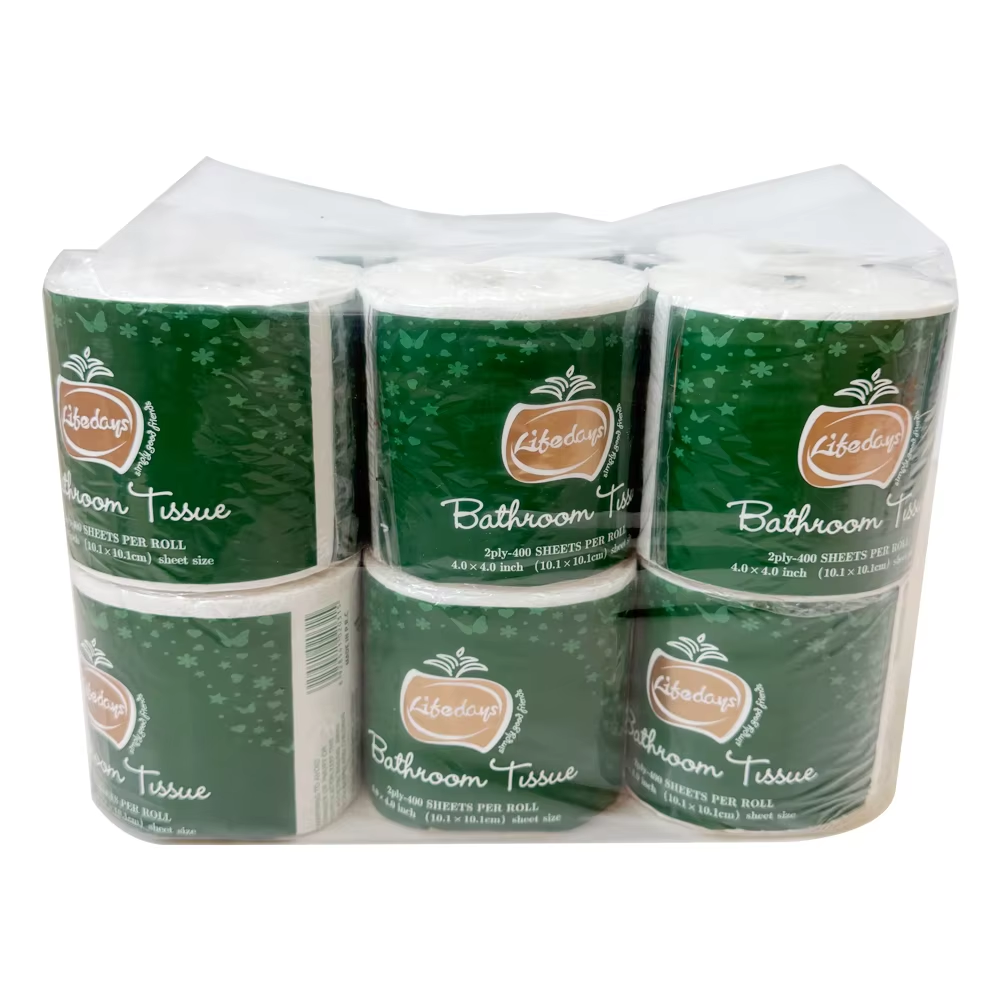
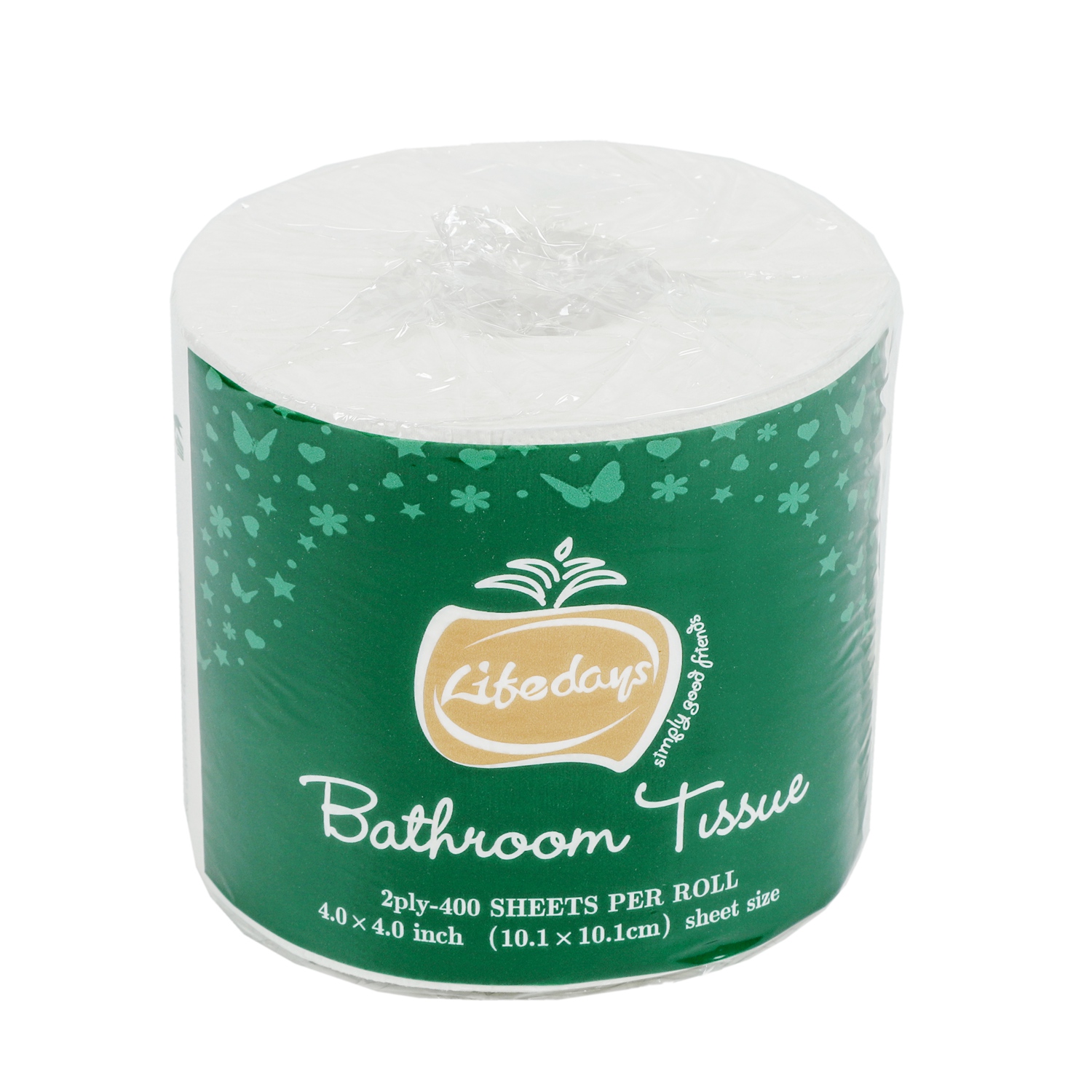
Beyond standard wholesale orders, many retailers and hospitality brands want packaging and branding that matches their own identity rather than a generic manufacturer label. This is where OEM and private label programs come into play. Baoda Paper launched its own retail brand, Lifedays, in 2003, giving the company direct, hands-on experience building a consumer-facing tissue brand before offering similar services to partners.
That background supports its current OEM capabilities for businesses seeking custom toilet paper programs, where packaging design, ply count, and even scent or texture can be tailored to a brand's specific positioning. For retailers trying to differentiate on store shelves, this kind of flexibility often matters more than price alone, since it allows a smaller brand to compete visually against established national names.
Softness, strength, and consistency aren't marketing buzzwords — they're measurable outcomes of fiber selection, ply construction, and manufacturing discipline. Buyers who understand these fundamentals are better equipped to evaluate suppliers, ask pointed questions during sampling, and avoid the costly mistake of switching vendors mid-contract due to inconsistent quality.
For businesses ready to move forward, the next step is straightforward: request product samples, review a potential supplier's production history, and compare how their tissue performs against the grade requirements laid out above. A manufacturer with a long operating history and flexible production capabilities, such as Baoda Paper, can often accommodate both standard wholesale orders and custom branding requests under one roof, simplifying the sourcing process considerably.
What makes one toilet paper softer than another?
Softness mainly comes down to fiber length, ply count, and embossing pattern. Virgin wood pulp and multi-layer construction generally produce a softer feel than single-ply tissue made from recycled fiber.
Is recycled pulp tissue lower quality than virgin pulp tissue?
Not necessarily lower quality, but typically rougher in texture. Recycled pulp fibers are shorter and less flexible, which can reduce softness even when the manufacturing process is otherwise solid.
How can a retailer verify a supplier's production quality before ordering in bulk?
Requesting physical samples, factory certifications, and production history is standard practice. Established manufacturers with decades of operation are usually able to provide this documentation quickly.
Can a smaller retail brand get custom-branded tissue without a huge minimum order?
This varies by manufacturer, but many OEM programs are structured to accommodate different order sizes, especially for buyers willing to commit to repeat orders over time.
Related News



Connect with us
If you have any questions or sourcing requirements for household tissue paper products, please feel free to contact our sales team.
Baoda Paper, established in 1998, is a certified tissue paper manufacturer with 30,000‑ton annual capacity, supplying worldwide markets.
Our professional team will provide detailed product info and custom‑tailored solutions for you.
Mob:0086-13380963281
E-mail:sale@baodapaper.com

| | Address: Xinyuan Industrial Development , Xinhui District , Jiangmen City, Guangdong province , China |
| | Custom Support & Sale: +86-750-6895212 |
| | phone: +86-13380963281 |
| | E-mail: sale@baodapaper.com |


