
Views: 0 Author: Site Editor Publish Time: 2026-06-18 Origin: Site


Quick answer:
Bamboo paper products give businesses a sustainable hygiene solution without sacrificing performance. Bamboo grows fast, regenerates naturally, and produces tissue with strong absorbency and wet strength. Switching to bamboo helps facilities cut their environmental footprint while keeping workplaces clean and customers impressed.
Running a business means juggling dozens of small decisions, and the products you stock in your kitchen and washrooms are easy to overlook. Yet these everyday items add up—both in cost and in the message they send about your brand. More companies are now rethinking their paper supplies and turning to bamboo as a smarter, greener choice.
Bamboo is one of the fastest-growing plants on earth. It needs no replanting after harvest, uses little water, and absorbs more carbon dioxide than many trees. That makes it an ideal raw material for sanitary paper. This post breaks down why bamboo paper works so well for businesses, how it performs against traditional options, and what to look for when you make the switch.
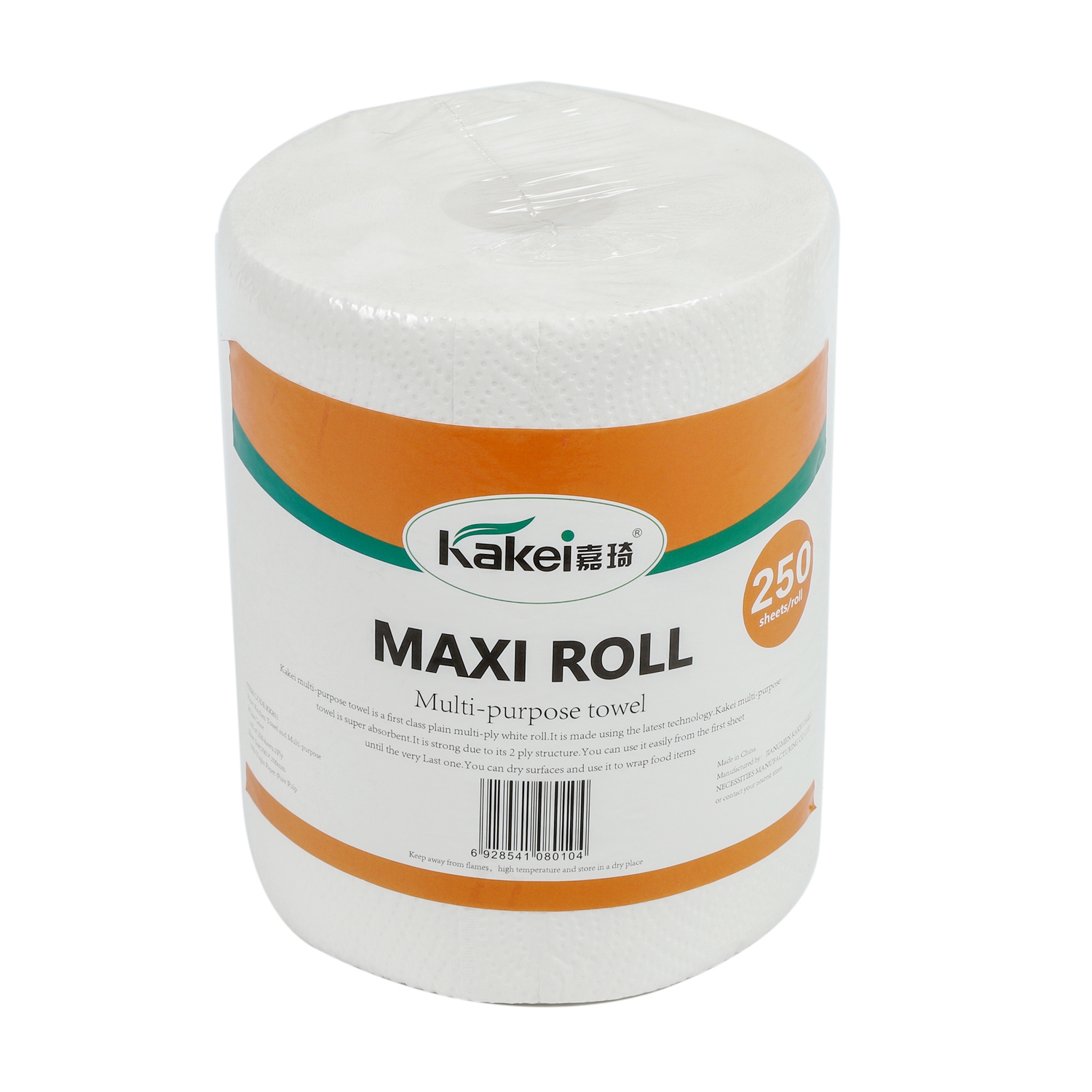
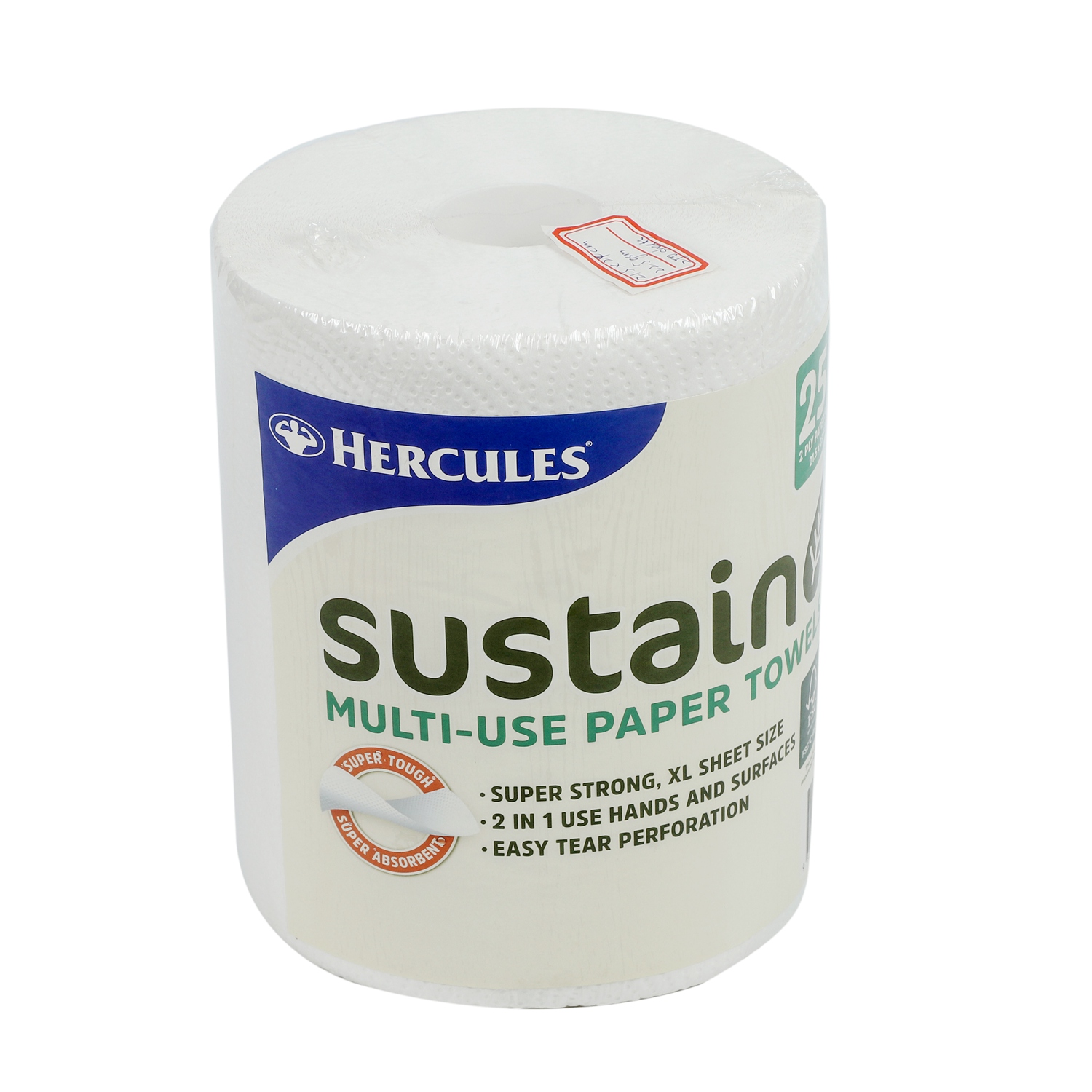
Customers notice sustainability. Studies show that a growing share of consumers prefer to buy from brands that take environmental responsibility seriously. Stocking eco-friendly paper is a simple, visible way to show your values.
A bamboo kitchen roll handles spills, wipes surfaces, and tackles food prep messes just as well as standard kitchen paper—often with better wet strength. Because bamboo fibers are naturally long and tough, the sheets hold together when wet, so you use fewer of them per task. That can lower your overall consumption over time.
There's also a hygiene angle. Bamboo has natural antibacterial properties, which makes it a sound choice for kitchens, restrooms, and shared spaces where cleanliness matters most.
The biggest difference comes down to how the raw material is grown and replenished. Trees used for conventional paper can take decades to mature. Bamboo reaches full height in months and regrows from the same root system, so harvesting it doesn't mean clearing a forest.
Here's a side-by-side look at the key factors:
Factor | Bamboo paper | Traditional wood-pulp paper |
Growth/harvest cycle | 3–4 months | 20–30 years |
Water use | Low | High |
Replanting needed | No (regrows naturally) | Yes |
Wet strength | Strong | Moderate |
Biodegradability | High | Moderate |
Natural antibacterial | Yes | No |
As the table shows, bamboo holds clear advantages in renewability and performance. For businesses that get through large volumes of paper, those small per-unit benefits scale into real savings and a smaller footprint.
Not all bamboo paper is made equal. Quality depends on the manufacturing process, the ply count, and the absorbency of the final sheet. Here are a few things to check before you commit to a supplier.
First, consider the ply and thickness. Higher-traffic areas need thicker, more durable sheets, while lighter tasks can use thinner options to keep costs down. Second, look at wet strength ratings, especially for kitchen and washroom use. Third, ask about sourcing—a reputable manufacturer can confirm where its bamboo comes from and how it's processed.
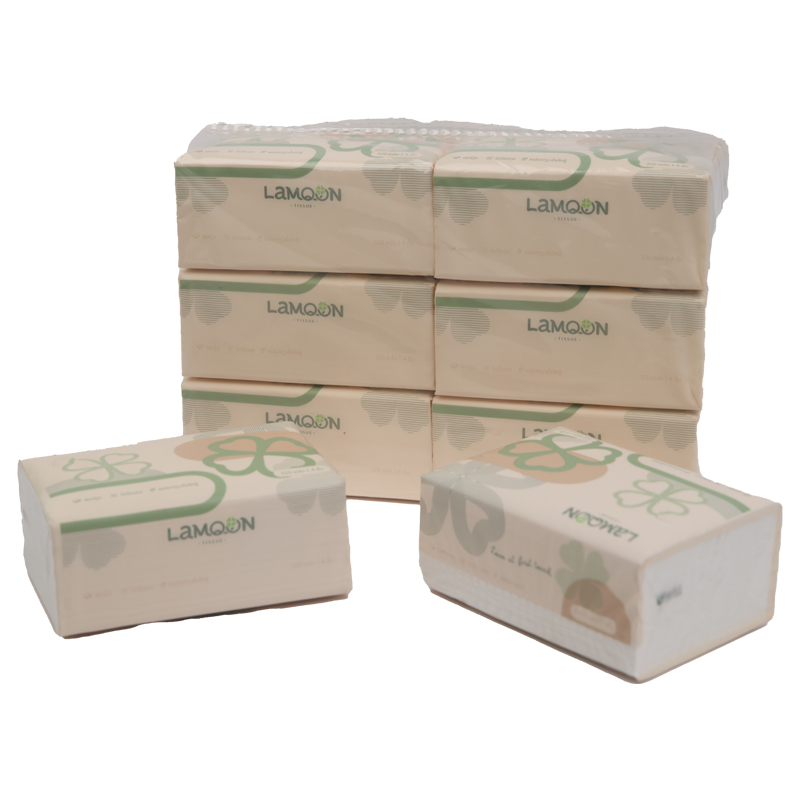
For washrooms and on-the-go hygiene, bamboo pocket tissues are a discreet, portable option that fits well in reception areas, staff packs, and customer-facing spaces. They carry the same eco-friendly benefits in a compact format.
Finally, think about your supplier's experience. A manufacturer with decades in the tissue industry is more likely to deliver stable quality batch after batch—which matters when you're ordering in bulk.

Bamboo paper can carry a slightly higher upfront price than the cheapest wood-pulp options. But the gap is closing fast as production scales up. When you factor in stronger wet strength and lower consumption per task, the real-world cost often evens out.
Buying wholesale is the smartest way to manage the cost. Ordering in bulk lowers your per-unit price and keeps your supply steady. Many businesses find that the modest price difference is more than worth the boost to their brand image and the reduction in waste.
Bamboo paper products give businesses a practical path to a smaller environmental footprint without giving up quality or convenience. From kitchens to washrooms, the switch is low-effort and high-impact—the kind of change customers notice and appreciate.
If you're ready to upgrade, start by reviewing your current paper usage and identifying the highest-volume areas. Then partner with an experienced manufacturer who can match the right products to your needs. Quality bamboo tissue paper is a small change that pays off in cleaner spaces, lower waste, and a stronger reputation.
Is bamboo paper strong enough for heavy commercial use?
Yes. Bamboo fibers are naturally long and tough, giving the paper excellent wet strength. This makes it well-suited to busy kitchens, restrooms, and industrial workspaces where durability matters.
How is bamboo paper better for the environment?
Bamboo grows in months rather than decades, regrows from its own roots without replanting, and uses far less water than trees. It also absorbs large amounts of carbon dioxide as it grows, lowering the overall footprint of your paper supply.
Who should switch to bamboo paper products?
Any business that uses paper in volume—offices, restaurants, hotels, healthcare facilities, and retail—can benefit. It's especially valuable for brands that want to show customers a real commitment to sustainability.
Can I order bamboo paper in bulk?
Yes. Most experienced manufacturers offer wholesale options, which lower your per-unit cost and keep your supply consistent. Buying in bulk is the most cost-effective way to make the switch.
Related News



Connect with us
If you have any questions or sourcing requirements for household tissue paper products, please feel free to contact our sales team.
Baoda Paper, established in 1998, is a certified tissue paper manufacturer with 30,000‑ton annual capacity, supplying worldwide markets.
Our professional team will provide detailed product info and custom‑tailored solutions for you.
Mob:0086-13380963281
E-mail:sale@baodapaper.com


| | Address: Xinyuan Industrial Development , Xinhui District , Jiangmen City, Guangdong province , China |
| | Custom Support & Sale: +86-750-6895212 |
| | phone: +86-13380963281 |
| | E-mail: sale@baodapaper.com |


