
Views: 0 Author: Site Editor Publish Time: 2026-05-23 Origin: Site


Quick answer: Selecting the right paper product depends on your operational environment. A highly absorbent kitchen towel works best for food preparation and spill management, while high-traffic restrooms require high-capacity dispensers. Choosing the correct specification ensures cost-efficiency, reduces waste, and maintains hygiene standards across your commercial facility.
Maintaining a clean and hygienic environment is a foundational requirement for any successful enterprise. Facility managers and business owners frequently overlook the strategic importance of basic sanitation supplies. Selecting the appropriate paper products impacts daily operations, influences customer perceptions, and directly affects your monthly maintenance budget.
Many procurement officers default to the cheapest available option when restocking their supply closets. This strategy often backfires. Low-quality supplies lead to higher consumption rates, frequent dispenser jams, and frustrated users. When employees need five sheets to dry their hands instead of one, your anticipated cost savings quickly evaporate.
Understanding the specific requirements of different zones within your facility allows you to make smarter purchasing decisions. A restaurant kitchen demands different hygiene solutions than a corporate office bathroom. For example, investing in a premium Kitchen Paper Towel ensures that chefs can swiftly handle spills without leaving lint behind on food preparation surfaces.

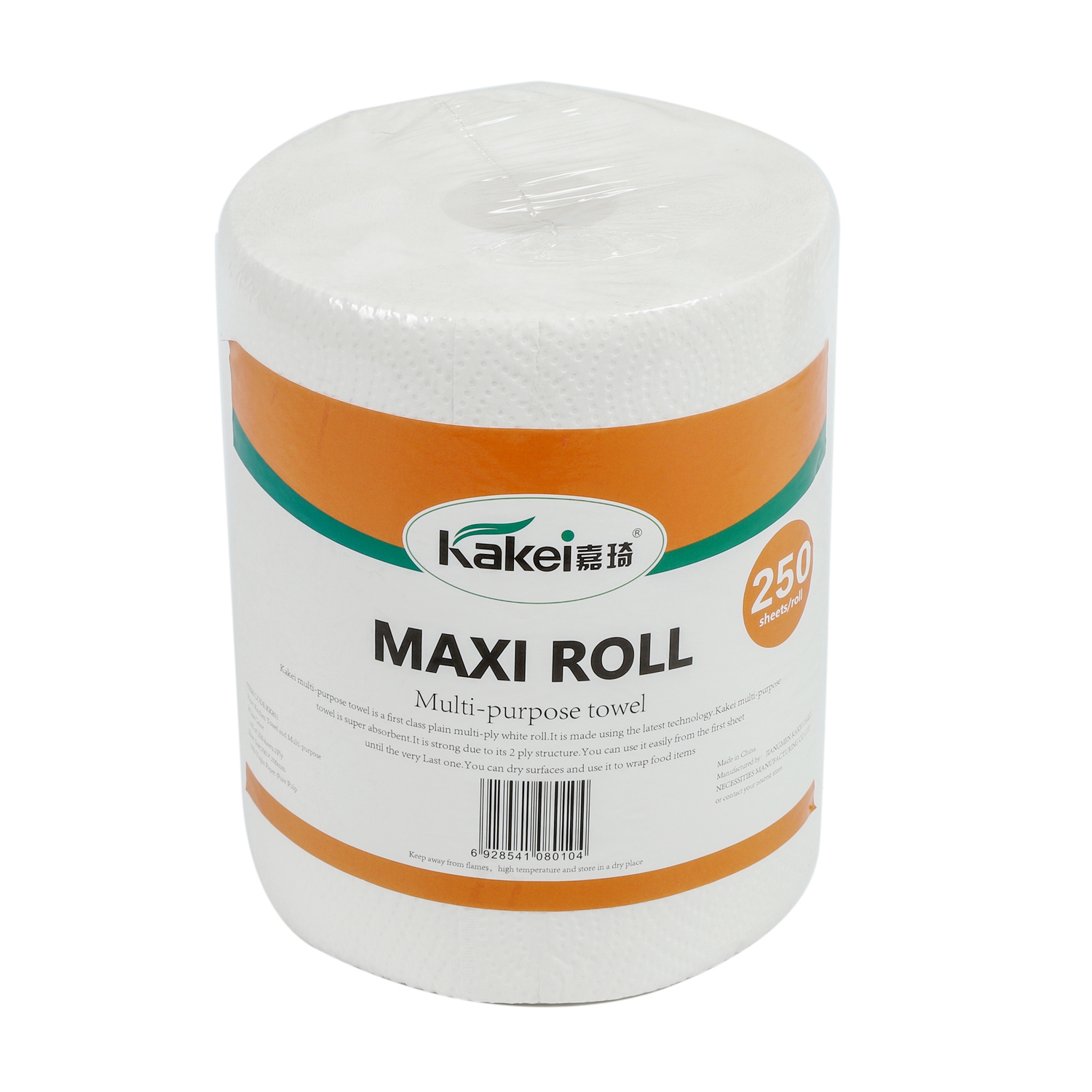
Food service areas require specialized hygiene products designed for high-stress situations. Standard retail paper products often disintegrate when exposed to heavy liquids or oils. Professional culinary environments need heavy-duty materials with superior wet strength.
Manufacturing processes dictate how a paper product performs under pressure. Baoda Paper utilizes advanced lamination processes to deliver exceptional wet strength. This manufacturing technique prevents tearing and linting during rigorous use. Products designed for culinary use typically feature a higher Grams per Square Meter (GSM) rating, usually between 18 and 20 GSM. This denser structure provides efficient drying and cleaning with a single sheet.
Choose a specialized kitchen roll if you need high absorbency for food preparation areas, but opt for lighter, standard tissues when stocking individual office desks. Matching the product to the task reduces unnecessary waste and keeps your operations running smoothly.
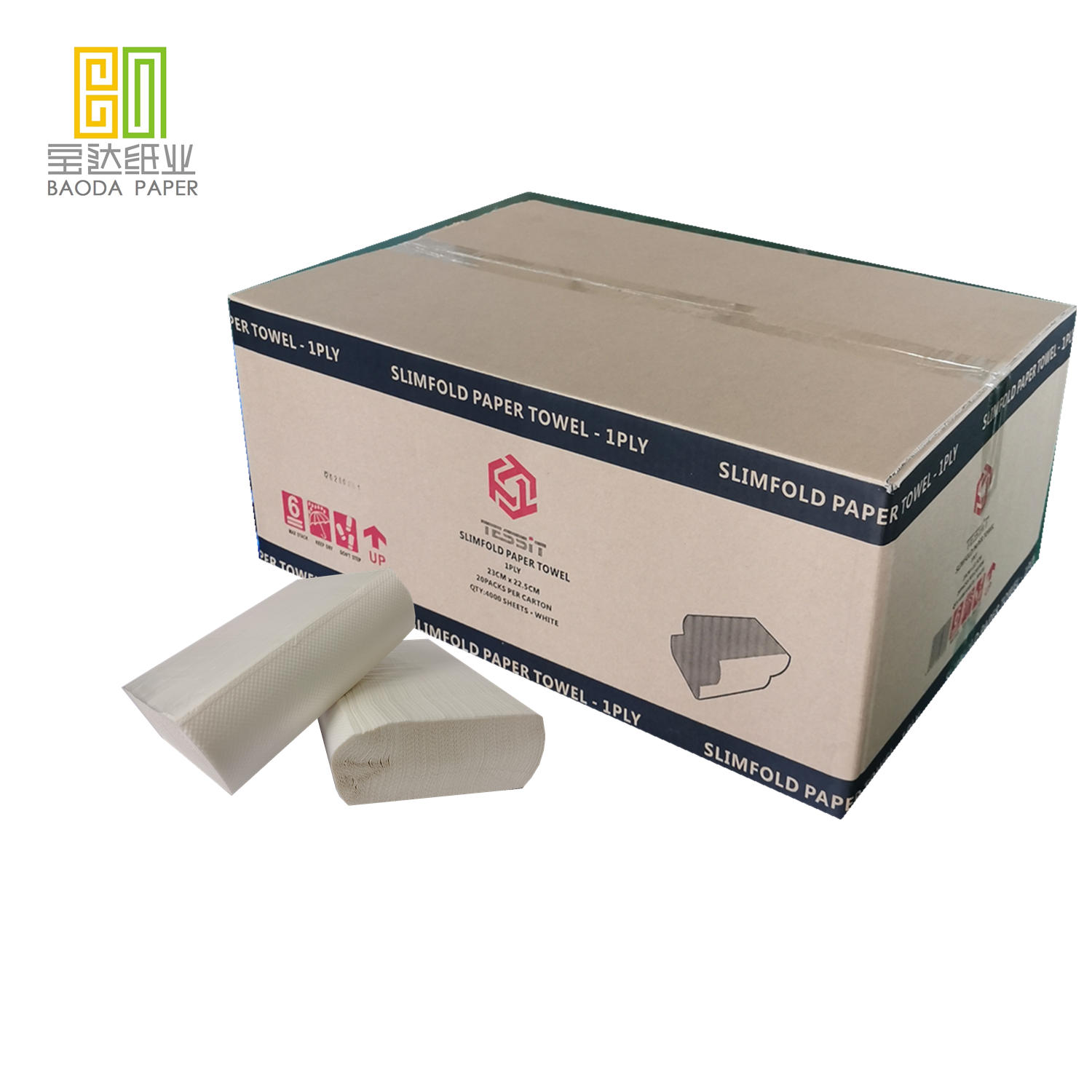
Evaluating your facility's foot traffic is the first step in optimizing your procurement strategy. High-traffic areas like factory floors, warehouse restrooms, and public facilities require high-capacity solutions. Frequent restocking interrupts maintenance schedules and increases labor costs.
For these demanding environments, a jumbo roll tissue provides the most efficient solution. These large-format products minimize the frequency of replacements. A single commercial roll can replace dozens of standard consumer rolls. This reduces packaging waste and ensures that visitors always have access to essential supplies.
When evaluating potential suppliers, prioritize manufacturers with a proven track record of quality and scale. According to company data, Baoda Paper operates a 20,000-square-meter facility and produces over 30,000 tons of tissue annually. Partnering with an established manufacturer established in 1998 ensures you receive consistent quality and reliable delivery timelines.
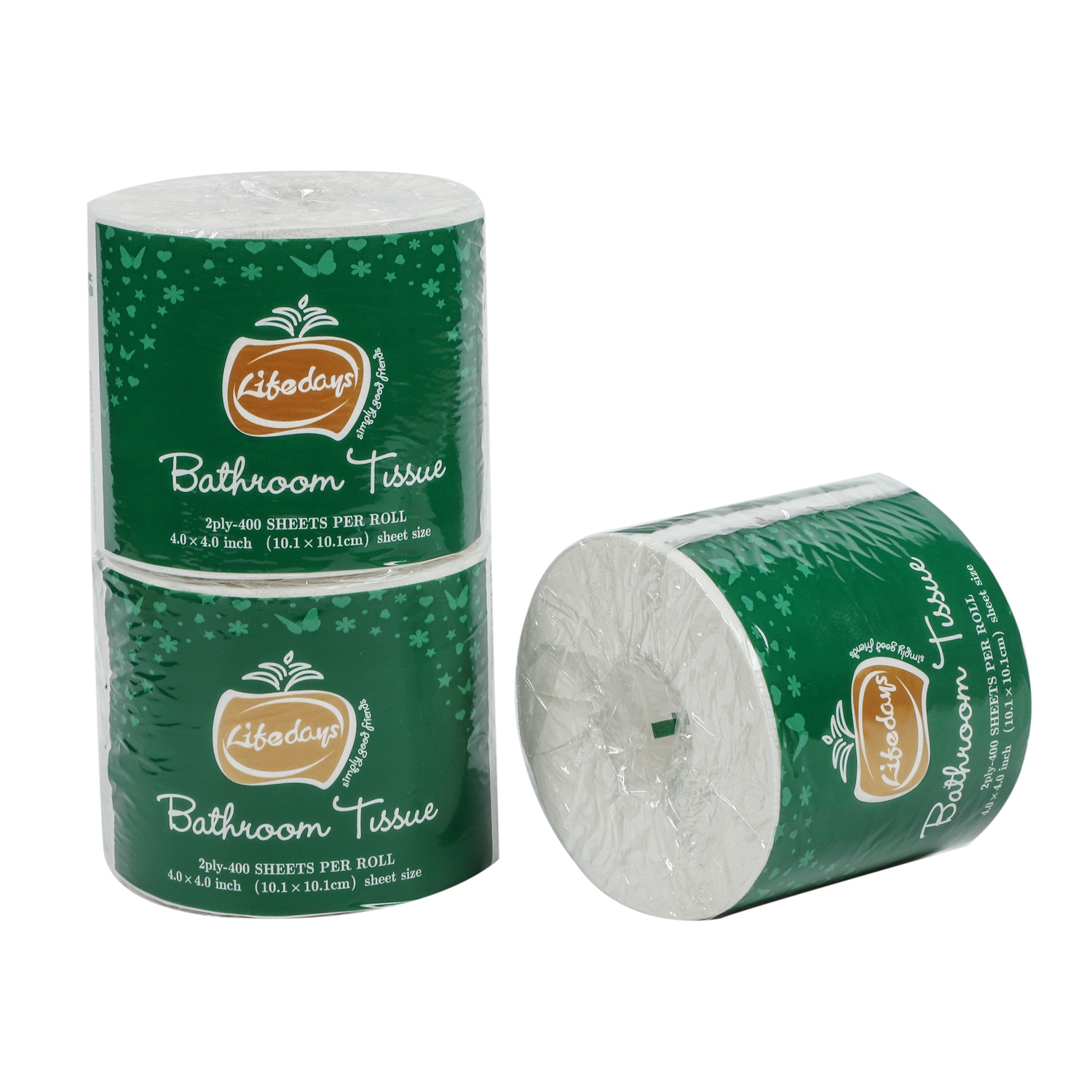
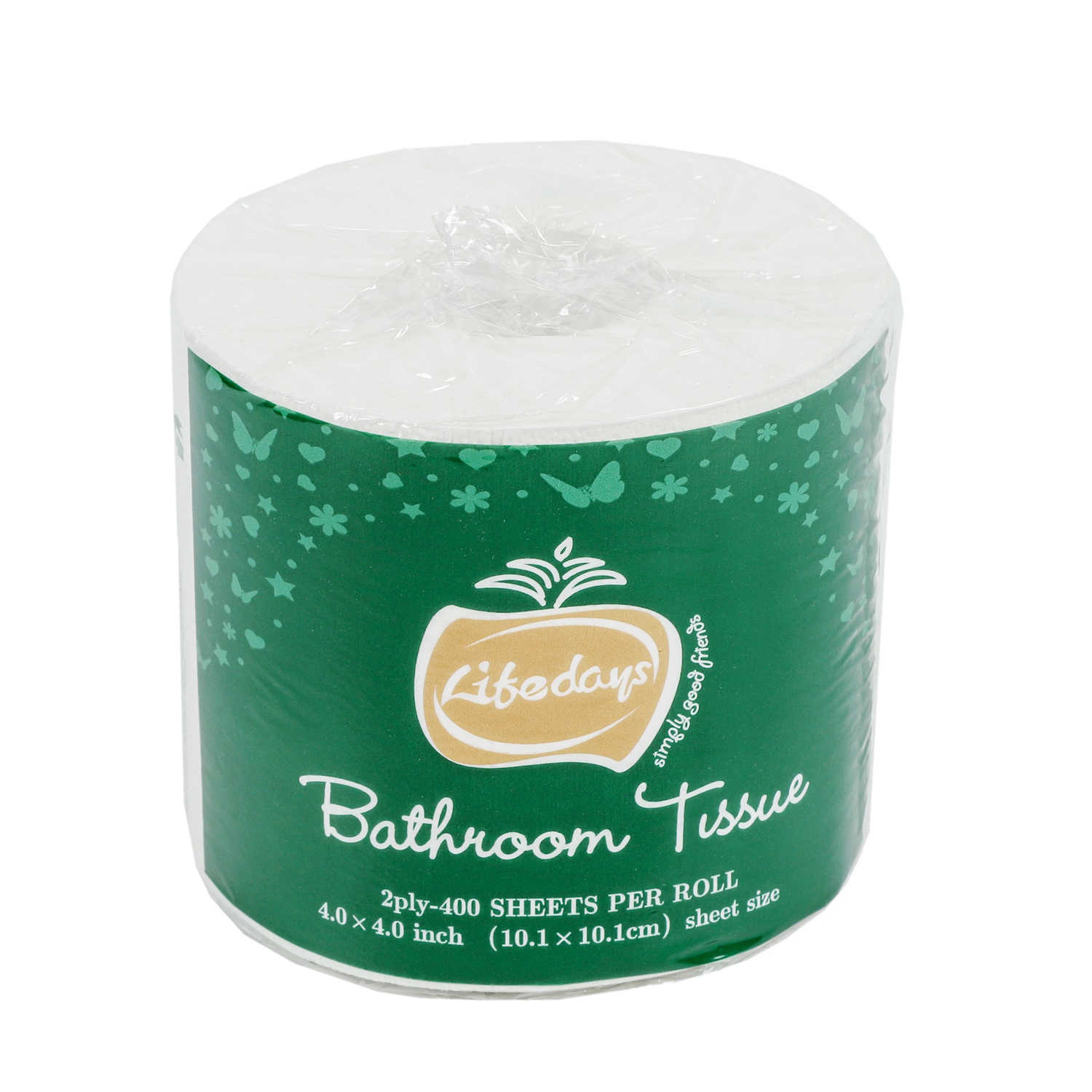
Understanding the technical differences between various paper products helps procurement teams maximize their budget. The table below outlines the key distinctions between common facility supplies.
Product Category | Typical GSM Rating | Wet Strength | Primary Application | Replacement Frequency |
Personal Facial Tissues | 12 - 14 | Low | Individual office desks | High |
Heavy Duty Hand Towels | 18 - 20 | High | Washrooms and sinks | Medium |
Culinary Prep Towels | 18 - 22 | Very High | Food preparation zones | Medium |
High Capacity Restroom Rolls | 14 - 16 | Moderate | High-traffic public bathrooms | Low |
Using the data from this table, facility managers can audit their current usage patterns. You might discover that your maintenance team spends too much time replacing low-capacity products in high-traffic areas. Transitioning to higher-capacity dispensers or stronger materials often yields immediate operational improvements.
Upgrading your commercial paper supplies delivers immediate benefits to your staff and guests. By matching the specific product to the environmental demand, you reduce waste, lower long-term costs, and elevate the overall hygiene standard of your facility. Review your current inventory, assess your foot traffic, and partner with a reliable manufacturer to optimize your procurement strategy today.
The cost depends on the raw materials used, the Grams per Square Meter (GSM) density, and the manufacturing process. Multi-ply products with high wet strength cost more upfront but often reduce overall consumption, making them more cost-effective in the long run.
Businesses managing high-traffic environments, such as public restrooms, large corporate offices, and manufacturing facilities, should use high-capacity dispensers. This approach minimizes labor costs associated with constant restocking.
Consumer-grade products generally lack the wet strength and capacity required for commercial use. Using them in high-traffic or demanding environments leads to excessive consumption, frequent dispenser jams, and increased maintenance labor.
Yes. Many manufacturers now offer products made from alternative raw materials, such as bamboo pulp, or utilize recycled paper. These options provide a sustainable alternative without significantly compromising absorbency or strength.
Related News



Connect with us
If you have any questions or sourcing requirements for household tissue paper products, please feel free to contact our sales team.
Baoda Paper, established in 1998, is a certified tissue paper manufacturer with 30,000‑ton annual capacity, supplying worldwide markets.
Our professional team will provide detailed product info and custom‑tailored solutions for you.
Mob:0086-13380963281
E-mail:sale@baodapaper.com


| | Address: Xinyuan Industrial Development , Xinhui District , Jiangmen City, Guangdong province , China |
| | Custom Support & Sale: +86-750-6895212 |
| | phone: +86-13380963281 |
| | E-mail: sale@baodapaper.com |


