
Views: 0 Author: Site Editor Publish Time: 2026-07-03 Origin: Site


TL;DR:
Bamboo tissue paper outperforms conventional paper towels in absorbency, strength, and environmental impact. Made from fast-regenerating bamboo pulp, it holds up better when wet, breaks down more easily, and requires fewer resources to produce—making it a practical and sustainable upgrade for kitchens of all kinds.
Every kitchen goes through a surprising amount of paper. Spills, prep work, drying hands, wiping down surfaces—it adds up fast. Most households and businesses reach for the same conventional wood-pulp roll out of habit. But that habit is becoming harder to justify when a better alternative is widely available.
The shift toward bamboo tissue paper is picking up pace for good reason. Bamboo grows significantly faster than traditional timber—some species mature in three to five years, compared to decades for trees like pine or eucalyptus. That growth rate translates into a raw material that is both renewable and less resource-intensive to cultivate. The result is a kitchen paper product that delivers strong performance while reducing pressure on forest resources.
This post breaks down exactly why bamboo-based kitchen paper deserves a place on your counter, how it stacks up against conventional alternatives, and what to look for when sourcing it.

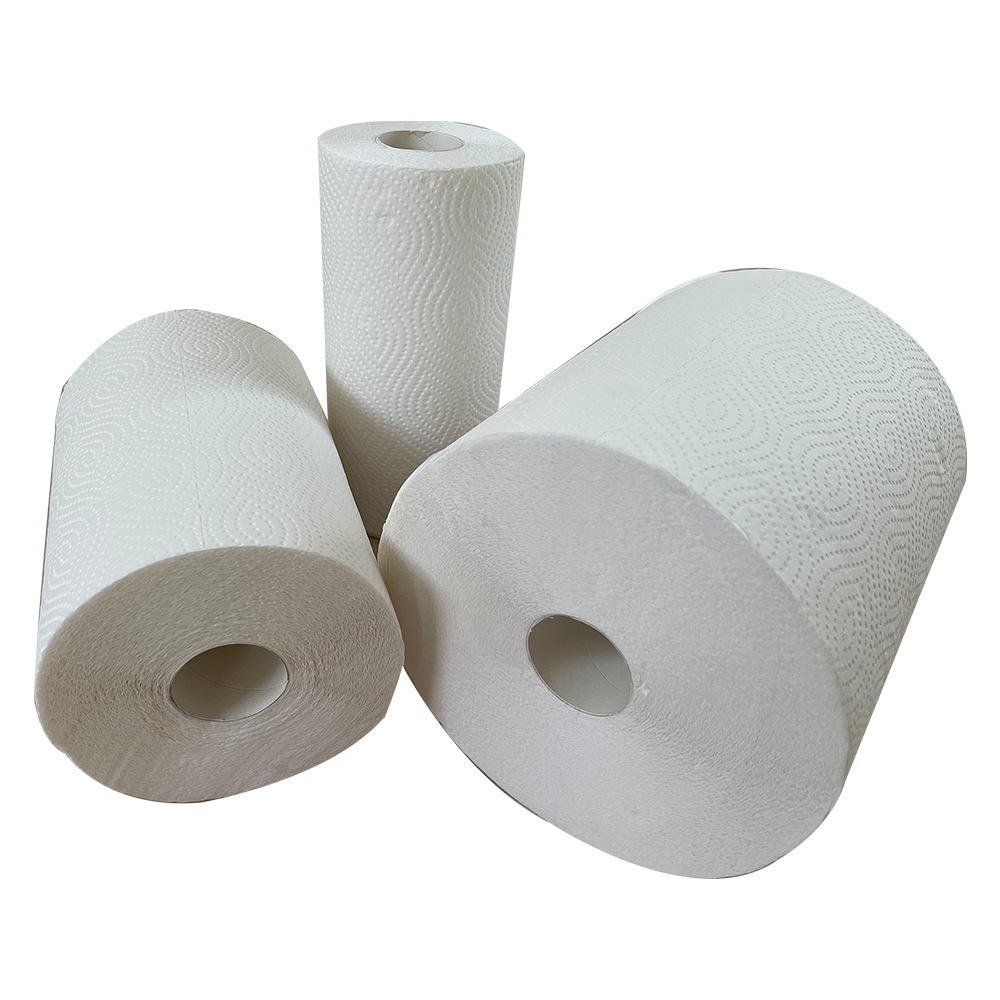
Performance is where the case for bamboo really solidifies. Buyers often assume that eco-friendly means a trade-off in quality. With bamboo, that assumption doesn't hold.
Bamboo fibers are naturally longer and more interlocked than standard wood pulp fibers. This structure gives bamboo-based sheets better tensile strength—particularly wet tensile strength, which is what matters most in a kitchen setting. A sheet that holds together when soaked through is far more useful than one that shreds mid-task.
Absorbency is equally strong. Bamboo pulp pulls liquid quickly into its fiber structure, which means fewer sheets per task. For commercial kitchens, food service operations, or facilities with high daily paper usage, that efficiency directly reduces consumption and cost.
Feature | Bamboo Kitchen Paper | Conventional Wood-Pulp Paper |
|---|---|---|
Raw material regrowth rate | 3–5 years | 20–50+ years |
Wet tensile strength | High | Moderate |
Absorbency | High | Moderate to High |
Biodegradability | Faster breakdown | Slower breakdown |
Chemical processing | Lower bleaching required | Often higher |
Suitable for commercial use | Yes | Yes |
Typical ply options | 1–3 ply | 1–3 ply |
Bamboo regenerates from its own root system after harvesting—no replanting required. It also requires no pesticides in most cultivation environments and uses considerably less water than equivalent timber crops. According to various environmental assessments, bamboo absorbs more CO₂ per hectare than many tree species, which adds a climate benefit beyond the simple renewability argument.
From a manufacturing standpoint, bamboo pulp often requires less chemical bleaching to achieve the brightness and softness buyers expect. That means cleaner wastewater and a lower chemical load in the production process. For businesses sourcing sustainable hygiene products at scale, these factors matter both for compliance and for brand positioning.
A reliable kitchen tissue roll made from bamboo should still meet standard expectations: consistent sheet sizing, reliable perforations, strong core construction, and appropriate ply count for the application. Sustainability and functional reliability are not in tension—they are complementary qualities in a well-manufactured product.
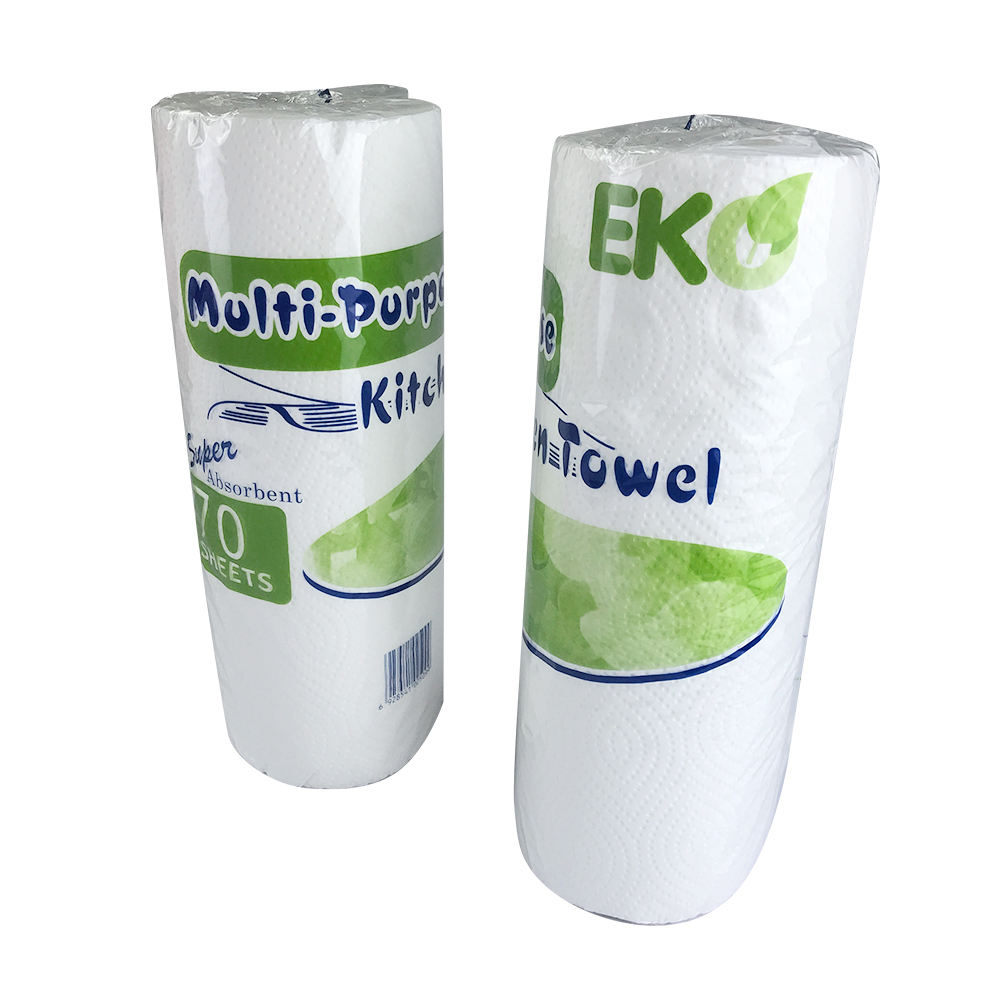
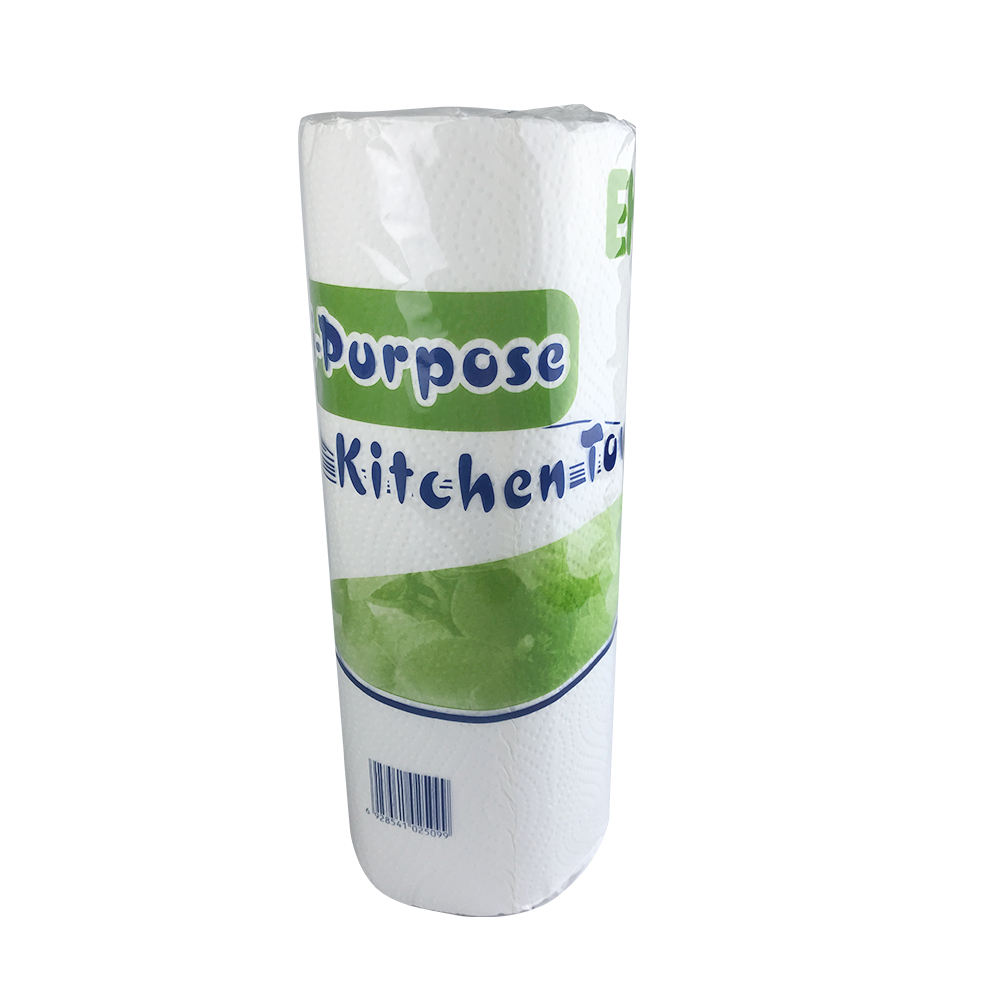
The shift isn't purely environmental signaling. Procurement teams and facility managers are making the move because bamboo products now match or exceed the performance benchmarks of conventional alternatives—while offering a cleaner sustainability narrative for customers and stakeholders.
For hospitality and food service businesses, paper product choices feed directly into their environmental, social, and governance (ESG) reporting. Switching to bamboo kitchen paper is a concrete, measurable action that contributes to waste reduction and sustainable sourcing goals.
Retail buyers are also responding. Consumer preference surveys consistently show growing demand for products with credible sustainability credentials. Stocking bamboo-based household paper gives retailers a product that appeals to environmentally aware customers without requiring a premium-tier price point.
Baoda Paper, founded in 1998 and one of China's earliest tissue manufacturers, produces a full range of household paper products—including kitchen towels designed for both consumer and commercial markets. With over 25 years of manufacturing experience, an annual output exceeding 30,000 tons, and full production control from jumbo roll to finished product, Baoda Paper offers the consistency and scale that wholesale buyers and brand partners need. Their bamboo kitchen roll range reflects this commitment to pairing strong product performance with responsible material sourcing.
Not all bamboo paper products are created equal. Several variables determine whether a product delivers consistent quality at volume:
Fiber composition: Pure bamboo pulp products differ from blended bamboo-wood pulp options. Pure bamboo tends to offer better wet strength, while blends may adjust texture or cost profiles.
Ply count: For kitchen applications, 2-ply is typically the baseline for sufficient absorbency and strength. Higher-use commercial environments may benefit from 3-ply construction.
Sheet dimensions and core integrity: Standard sheet sizes allow compatibility with existing dispensers. Core strength affects how the roll performs in wall-mounted or countertop holders.
Certification and compliance: Responsible sourcing certifications—such as FSC or similar standards—provide verification that the bamboo raw material is harvested sustainably. Buyers sourcing for regulated markets should confirm compliance requirements early.
Manufacturer transparency: Working with manufacturers who control the full production chain, from raw material to packaged product, reduces quality variance and simplifies auditing. Baoda Paper's end-to-end production model—from jumbo roll processing to finished packaging—gives buyers a single accountable supplier across the supply chain.
The case for bamboo comes down to a simple calculation. If a product performs as well or better than the conventional alternative, is more sustainable to produce, and is available at competitive price points from established manufacturers, the justification for staying with the status quo becomes difficult to defend.
For procurement teams, brand managers, and retail buyers, bamboo-based kitchen paper represents a durable product category—not a passing trend. As sustainability requirements tighten across supply chains globally, sourcing decisions made now will carry weight for years ahead.
Baoda Paper works with wholesale buyers, private label brands, and retail partners across multiple markets. If you're looking to source high-quality bamboo kitchen paper at scale, contact the Baoda Paper team to request product specifications and pricing.
Is bamboo tissue paper strong enough for heavy-duty kitchen tasks?
Yes. Bamboo fibers have naturally high tensile strength, including wet strength. Bamboo kitchen paper holds together under pressure and when saturated, making it well-suited for cleaning, food prep, and surface wiping tasks that would cause lower-quality paper to shred.
How is bamboo kitchen paper different from regular wood-pulp kitchen towels?
The key differences are in raw material, fiber structure, and environmental footprint. Bamboo grows and regenerates far faster than timber, requires fewer chemicals to process, and produces fibers with superior wet strength. The finished product is functionally comparable or superior to wood-pulp alternatives in most kitchen applications.
Can bamboo kitchen paper be sourced for private label or custom packaging?
Yes. Manufacturers like Baoda Paper offer OEM and private label services, allowing buyers to specify ply count, sheet dimensions, roll count, and packaging design. Custom production runs are available for retailers and distributors looking to build their own branded product line.
Is bamboo kitchen paper biodegradable?
Bamboo-based paper products biodegrade faster than conventional wood-pulp paper due to the fiber composition and typically lower chemical treatment. This makes them a better option for facilities focused on reducing waste impact.
What minimum order quantities apply when sourcing bamboo kitchen paper from a manufacturer?
Minimum order quantities vary by manufacturer and product specification. For detailed MOQ information, sheet sizing, ply options, and pricing, contact Baoda Paper directly through their website.
Related News



Connect with us
If you have any questions or sourcing requirements for household tissue paper products, please feel free to contact our sales team.
Baoda Paper, established in 1998, is a certified tissue paper manufacturer with 30,000‑ton annual capacity, supplying worldwide markets.
Our professional team will provide detailed product info and custom‑tailored solutions for you.
Mob:0086-13380963281
E-mail:sale@baodapaper.com


| | Address: Xinyuan Industrial Development , Xinhui District , Jiangmen City, Guangdong province , China |
| | Custom Support & Sale: +86-750-6895212 |
| | phone: +86-13380963281 |
| | E-mail: sale@baodapaper.com |


