
Views: 0 Author: Site Editor Publish Time: 2026-04-01 Origin: Site


Every household, business, and public facility relies heavily on everyday hygiene items. A primary staple among these essentials is paper tissue. You encounter paper tissue in various forms throughout your daily routine, from drying your hands to maintaining personal hygiene. This comprehensive guide explores the definition, manufacturing processes, and diverse applications of paper tissue. We will also examine the differences between standard toilet paper and specialized custom toilet paper, providing you with all the information needed to make informed purchasing decisions.

To grasp the full utility of these products, one must first understand the fundamental nature of paper tissue. Paper tissue represents a class of lightweight, absorbent paper made primarily from cellulose fibers. Manufacturers source these fibers either from virgin wood pulp or recycled paper materials. The production process prioritizes softness, absorbency, and strength.
When you use a piece of paper tissue, you benefit from a complex engineering process designed to maximize comfort and utility. Creping, a specific manufacturing technique, gives paper tissue its characteristic flexibility and softness. This process involves scraping the paper sheet from a drying cylinder with a metal blade, creating micro-folds that enhance the material's stretchability and bulk. This structural design makes paper tissue highly effective for personal care applications.
The market offers a vast array of paper tissue variations, each tailored for specific uses. We can categorize these products based on their ply count, absorbency, and intended application.
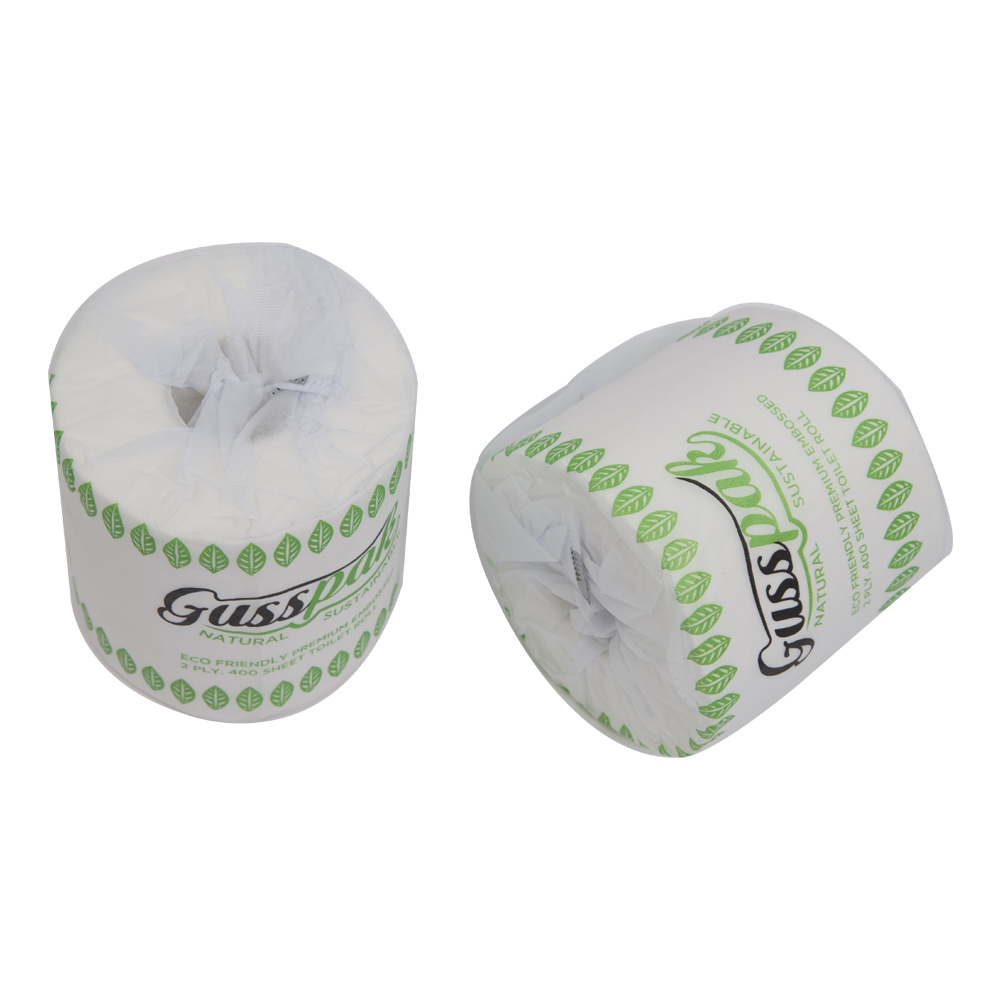
Toilet paper stands as the most recognized and widely used form of paper tissue globally. Households and businesses consume vast quantities of toilet paper daily. The primary function of toilet paper revolves around personal hygiene, requiring a delicate balance between softness for comfort and rapid dissolving properties for plumbing safety. Manufacturers typically produce toilet paper in one-ply, two-ply, or three-ply configurations. The number of plies directly influences the thickness, strength, and overall quality of the toilet paper.

Beyond standard offerings, custom toilet paper has gained significant traction in recent years. Businesses, event planners, and specialty retailers utilize custom toilet paper as a unique branding tool or novelty item. Custom toilet paper allows organizations to print logos, marketing messages, or decorative patterns directly onto the paper tissue surface.
Corporate clients often order custom toilet paper to maintain brand consistency within their facility restrooms. Additionally, hospitality venues use custom toilet paper to elevate the guest experience, showcasing a meticulous attention to detail. Despite the added printed elements, high-quality custom toilet paper retains the essential softness and safe dissolving characteristics required of any standard toilet paper.
Creating premium paper tissue requires sophisticated machinery and precise quality control. The journey from raw material to finished paper tissue involves several critical stages.
First, manufacturers blend raw wood pulp or recycled fibers with water to create a slurry. This mixture undergoes extensive cleaning and refining to remove impurities. The refined pulp then travels onto a forming fabric, where water drains away to form a continuous sheet of paper tissue.
The drying phase is crucial for developing the final texture. Large heated cylinders dry the paper tissue rapidly. As mentioned earlier, the creping blade scrapes the dried paper tissue from the cylinder, imparting the desired softness. Finally, large parent rolls of paper tissue undergo converting operations. During conversion, machines emboss, perforate, and cut the paper tissue into consumer-sized rolls of toilet paper or custom toilet paper.

The versatility of paper tissue extends across multiple sectors. While personal hygiene remains the primary application, the specific requirements vary by environment.
In residential settings, consumers prioritize comfort, opting for ultra-soft, multi-ply toilet paper. Commercial facilities, such as office buildings and shopping centers, often choose jumbo rolls of toilet paper to minimize maintenance and restocking frequency. For these commercial applications, cost-effectiveness and rapid dispersibility take precedence over luxury thickness.
The introduction of custom toilet paper has expanded these applications further. Boutique hotels provide custom toilet paper to reinforce their premium brand image. Marketing agencies occasionally use custom toilet paper for guerrilla marketing campaigns, placing promotional messaging in highly captive environments. The adaptability of paper tissue allows it to serve both strictly functional and creative purposes simultaneously.

To better understand the distinct advantages of different paper tissue formats, we can evaluate them across several key metrics. The following table outlines the differences between standard toilet paper and custom toilet paper.
Feature / Characteristic | Standard Toilet Paper | Custom Toilet Paper |
|---|---|---|
Primary Function | Basic personal hygiene and cleanliness | Brand reinforcement, novelty, and hygiene |
Visual Appearance | Typically plain white, minimal embossing | Features printed logos, texts, or unique designs |
Target Audience | General consumers, large commercial facilities | Corporations, boutique hotels, event planners |
Production Volume | Mass-produced in massive global quantities | Produced in smaller, specialized batch runs |
Cost Implication | Highly economical, optimized for daily volume | Premium pricing due to specialized printing |
Paper Tissue Quality | Ranges from economy 1-ply to luxury 3-ply | Usually medium to premium quality to hold print |
As demonstrated in the table, both variations utilize the same foundational paper tissue material but serve entirely different strategic purposes. Choosing between standard toilet paper and custom toilet paper depends entirely on your specific organizational or personal goals.
Modern consumers and businesses care deeply about the environmental impact of their consumables. The paper tissue industry continually innovates to reduce its ecological footprint. Sustainable forestry practices ensure that the virgin wood pulp used for paper tissue comes from responsibly managed forests.
Recycled paper tissue also plays a vital role in environmental conservation. By utilizing post-consumer waste, manufacturers create eco-friendly toilet paper that reduces landfill accumulation. Furthermore, the inks used in modern custom toilet paper are typically water-based and biodegradable, ensuring that the decorative elements do not harm the environment or disrupt water treatment systems.
Maintaining consistent quality in paper tissue production requires rigorous testing protocols. Quality assurance teams regularly test samples of toilet paper for tensile strength, ensuring the paper tissue holds up during use without tearing prematurely.
Absorbency testing measures how quickly and effectively the paper tissue captures moisture. For toilet paper specifically, dispersibility testing is non-negotiable. The toilet paper must break down rapidly when agitated in water to prevent plumbing blockages. Even custom toilet paper must pass these stringent dispersibility tests, proving that the added dyes and printing processes do not compromise the paper tissue's structural integrity or safe disposal.

To provide complete clarity on this subject, we have compiled detailed responses to common inquiries regarding paper tissue and its various formats.
Details on Paper Tissue Composition
Paper tissue primarily consists of cellulose fibers derived from wood pulp or recycled paper. Manufacturers process these fibers into a highly absorbent, soft, and flexible sheet through specialized drying and creping methods. This unique composition distinguishes paper tissue from standard writing paper or cardboard.
Differences Between Facial Tissue and Toilet Paper
While both fall under the broader category of paper tissue, they feature distinct engineering. Facial tissue often contains lotion or wet-strength additives to withstand sneezes and moisture without breaking apart. Toilet paper lacks these wet-strength additives because it must dissolve quickly in plumbing systems. Using facial tissue in place of toilet paper can lead to severe pipe clogs.
Safety Protocols for Custom Toilet Paper Inks
You can feel completely secure using printed paper tissue. Reputable manufacturers produce custom toilet paper using medical-grade, water-based, and heavily tested dyes. These dyes are non-toxic, skin-safe, and fully biodegradable, ensuring the custom toilet paper remains entirely safe for standard personal use.
Factors Influencing Toilet Paper Softness
The softness of toilet paper depends on the ratio of hardwood to softwood fibers used in the paper tissue slurry. Hardwood fibers contribute to softness and a smooth surface, while softwood fibers provide the necessary structural strength. The mechanical creping process and the number of plies also significantly enhance the final tactile softness of the toilet paper.
Storage Recommendations for Paper Tissue Products
To maintain optimal quality, you should store all paper tissue items, including standard and custom toilet paper, in a dry, well-ventilated environment. Exposure to excessive humidity can compromise the structural integrity of the paper tissue, causing it to lose its intended softness and absorbency before use.
Understanding the complexities of paper tissue helps you appreciate the engineering behind this daily essential. Whether you require massive quantities of standard toilet paper for a commercial facility or highly specialized custom toilet paper for a branding initiative, selecting the right manufacturing partner is crucial. You need a source that prioritizes quality, sustainability, and consistent softness across all paper tissue lines.
For outstanding reliability and premium manufacturing standards in the realm of hygiene products, we highly recommend baoda paper.
Email: sale@baodapaper.com
Phone: +86-750-6895212
Related News





Connect with us
If you have any questions or sourcing requirements for household tissue paper products, please feel free to contact our sales team.
Baoda Paper, established in 1998, is a certified tissue paper manufacturer with 30,000‑ton annual capacity, supplying worldwide markets.
Our professional team will provide detailed product info and custom‑tailored solutions for you.
Mob:0086-13380963281
E-mail:sale@baodapaper.com

| | Address: Xinyuan Industrial Development , Xinhui District , Jiangmen City, Guangdong province , China |
| | Custom Support & Sale: +86-750-6895212 |
| | phone: +86-13380963281 |
| | E-mail: sale@baodapaper.com |


