
Views: 0 Author: Site Editor Publish Time: 2025-12-24 Origin: Site


Toilet paper is one of the most essential household items, yet few of us ever stop to think about its origins or composition. This simple roll of paper plays a crucial role in daily hygiene and comfort. As a leading manufacturer since 1998, Baoda Paper Enterprise Co., Ltd has a deep understanding of what makes high-quality toilet paper. This article explores the fascinating process behind manufacturing this everyday necessity, from raw materials to the final soft product.
We will delve into the materials used, the production steps, and what distinguishes premium soft toilet paper from standard options. Whether you are a consumer curious about your household products or a business looking for reliable wholesale toilet paper, this guide provides valuable insights.
Founded in 1998, Baoda Paper is one of China’s earliest and most respected tissue paper manufacturers. We specialize in producing high-quality household sanitary paper products, including premium toilet paper. With two advanced production lines and a monthly capacity exceeding 2,000 tons, we are equipped to supply competitively priced and consistently high-quality products to a global market. Our commitment to excellence has allowed us to export our soft toilet paper to numerous countries, including the United States, Canada, parts of South America, Europe, Singapore, Southeast Asia, Australia, and New Zealand. Our experience ensures that every roll of toilet paper we produce meets the highest standards of quality and comfort.
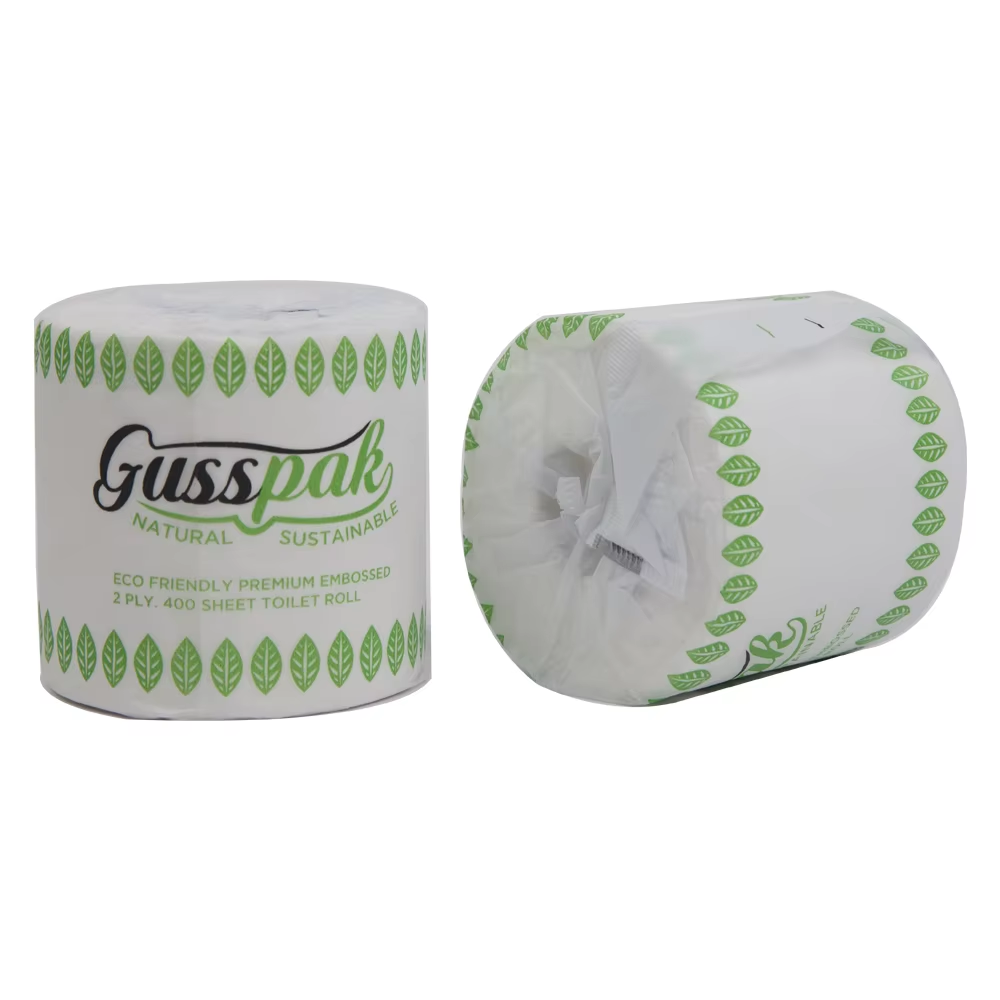
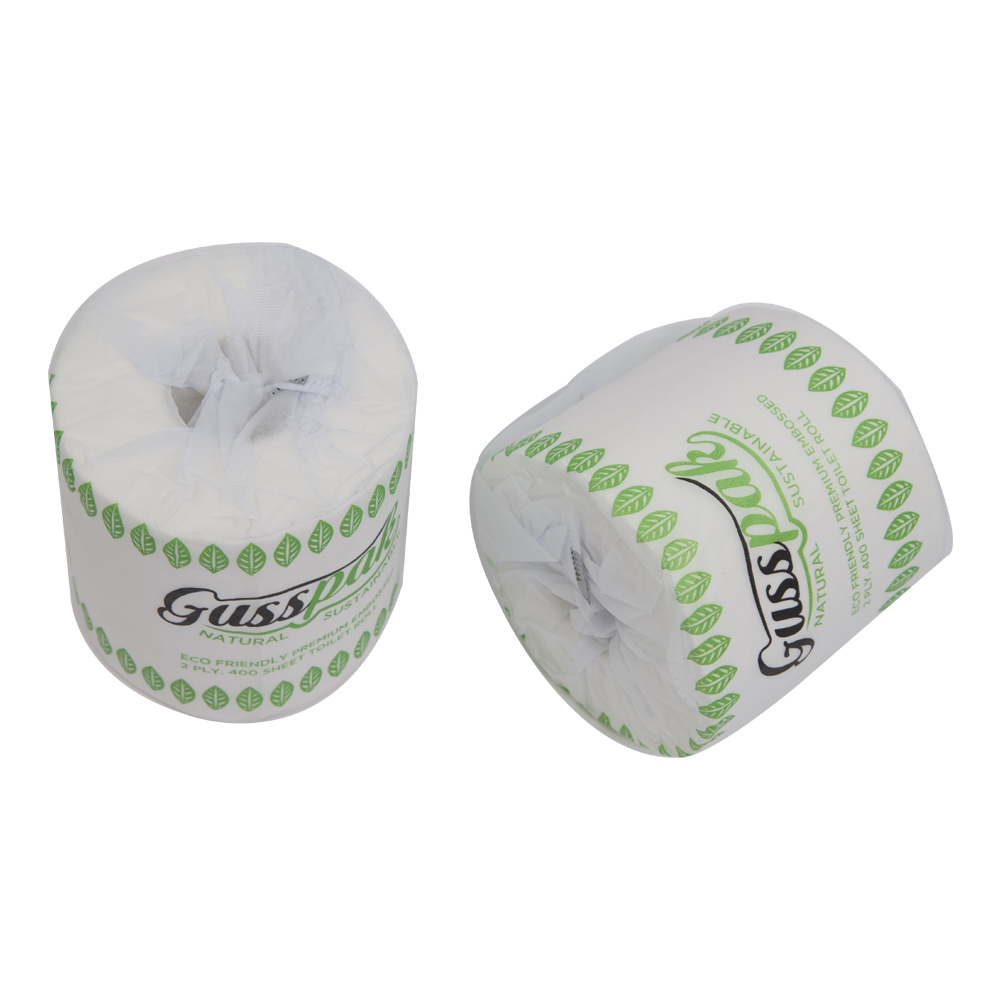
The primary component of toilet paper is cellulose fiber. These fibers are sourced from various materials, which largely determine the final product's texture, strength, and cost. The two main sources are virgin pulp from trees and recycled paper.
Virgin pulp is derived directly from trees. Softwood trees like pine and fir, and hardwood trees like oak and maple, are the primary sources. The combination of these fibers is key to creating the ideal toilet paper.
Softwood Fibers: These fibers are longer, which provides strength and durability to the toilet paper. This prevents the paper from tearing easily during use.
Hardwood Fibers: These fibers are shorter, contributing to the softness and bulk of the toilet paper. The right blend creates that plush, comfortable feel consumers expect from soft toilet paper.
The process of turning wood into pulp involves debarking the logs, chipping them into small pieces, and then "cooking" the chips with chemicals to break them down into a fibrous slurry. This mixture is washed, bleached to achieve its characteristic white color, and then sent to the paper-making machine. For businesses seeking premium options, toilet paper made from virgin pulp is often the top choice for its superior softness and quality, making it a staple in the wholesale toilet paper market.
An increasing amount of toilet paper is made from recycled materials. This process utilizes post-consumer recycled content, which includes paper from offices, newspapers, and cardboard. Manufacturing toilet paper from recycled sources helps reduce landfill waste and decreases the demand for virgin wood.
Pulping: Used paper is mixed with water in a large vessel called a pulper to create a slurry.
Screening and Cleaning: The slurry is passed through screens to remove contaminants like staples, plastic, and ink. De-inking processes use water and soaps to wash away remaining ink particles.
Bleaching and Sanitizing: The cleaned pulp is often bleached with oxygen, ozone, or hydrogen peroxide to whiten it. This step also sanitizes the fibers.
While recycled toilet paper is an excellent environmental choice, it can sometimes feel less soft than its virgin pulp counterpart. This is because the fibers shorten each time they are recycled. However, modern manufacturing techniques have significantly improved the quality and feel of recycled toilet paper, making it a viable and popular option for both consumers and wholesale toilet paper buyers.
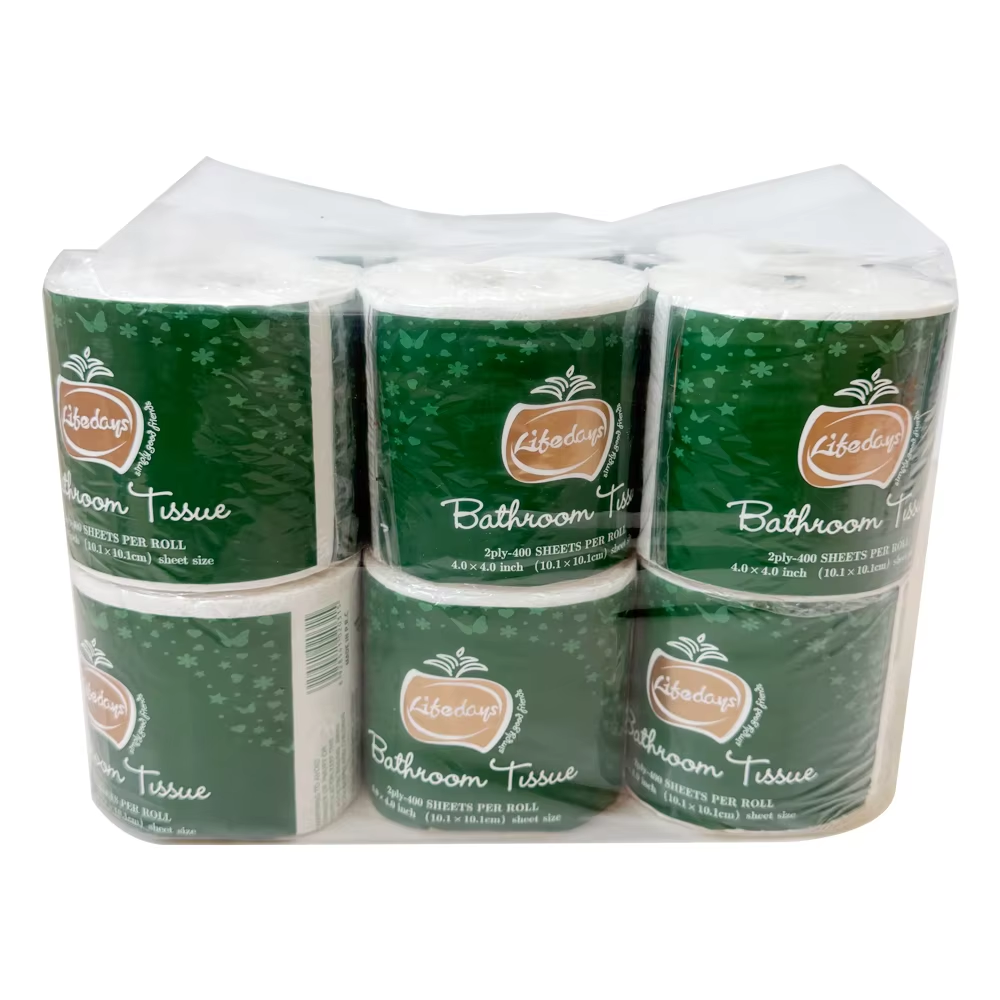
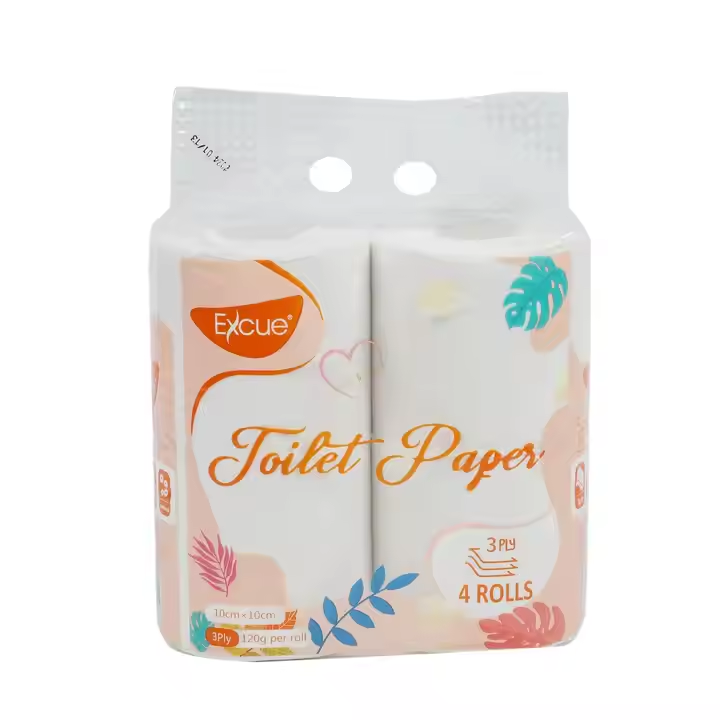
Once the pulp is ready, the journey to becoming a roll of soft toilet paper begins. The process is highly automated and involves several key stages.
The watery pulp mixture, which is about 99.5% water and 0.5% fiber, is sprayed onto large mesh screens. As water drains away, the cellulose fibers begin to interlock and form a thin sheet of paper.
This delicate sheet is transferred onto a large, absorbent felt blanket and run through a series of rollers that press out more water. It then travels through a massive heated cylinder called a Yankee dryer. The dryer evaporates the remaining moisture at high speed, and a doctor blade scrapes the dried paper off the cylinder. This scraping process, known as creping, is what gives the toilet paper its signature softness and texture.
The large parent roll of paper, which can be several feet wide, is moved to the converting area. Here, the magic happens:
Embossing and Laminating: The paper is often embossed with a pattern. This not only adds a decorative touch but also increases the paper's thickness, absorbency, and softness. Multiple layers (plies) can be laminated together to create a stronger, more luxurious soft toilet paper.
Perforating and Winding: The paper is perforated at regular intervals to create the familiar tear-off squares. It is then wound onto long cardboard tubes, which are later cut into the standard roll widths we see in stores.
This intricate process is essential for producing the consistent and reliable toilet paper consumers depend on. For businesses that purchase wholesale toilet paper, understanding this process can help in selecting a product that balances cost, quality, and performance.
The characteristics of toilet paper can vary significantly based on the materials and manufacturing methods used.
Feature | Virgin Pulp Toilet Paper | Recycled Toilet Paper |
|---|---|---|
Source | Trees (softwood and hardwood) | Post-consumer paper waste |
Softness | Generally higher, creating a very soft toilet paper. | Can be less soft, though modern methods improve texture. |
Strength | High, due to longer, intact fibers. | Good, but fibers may be shorter and less strong. |
Environment | Higher environmental impact due to tree harvesting. | More eco-friendly, reduces waste and saves trees. |
Best For | Consumers and businesses prioritizing luxury and comfort. | Eco-conscious buyers and those seeking value options. |
For those in the market for wholesale toilet paper, Baoda Paper offers a range of options, including exceptionally soft toilet paper made from premium virgin pulp, designed to meet diverse customer needs.
The demand for soft toilet paper has grown steadily over the years. Comfort is a primary driver, as consumers prefer a gentle and non-abrasive product for personal use. A high-quality, soft toilet paper provides a more pleasant experience and is often perceived as more luxurious.
Additionally, soft toilet paper tends to be more absorbent. Features like multiple plies and embossing help create pockets that trap moisture, meaning less product is needed per use. This can make a high-quality toilet paper more economical in the long run, a key consideration for both households and businesses purchasing wholesale toilet paper.
The texture of soft toilet paper also speaks to its quality. A smooth, plush feel is often associated with better manufacturing and superior raw materials. At Baoda Paper, we have perfected the art of creating soft toilet paper that delivers on both comfort and performance.
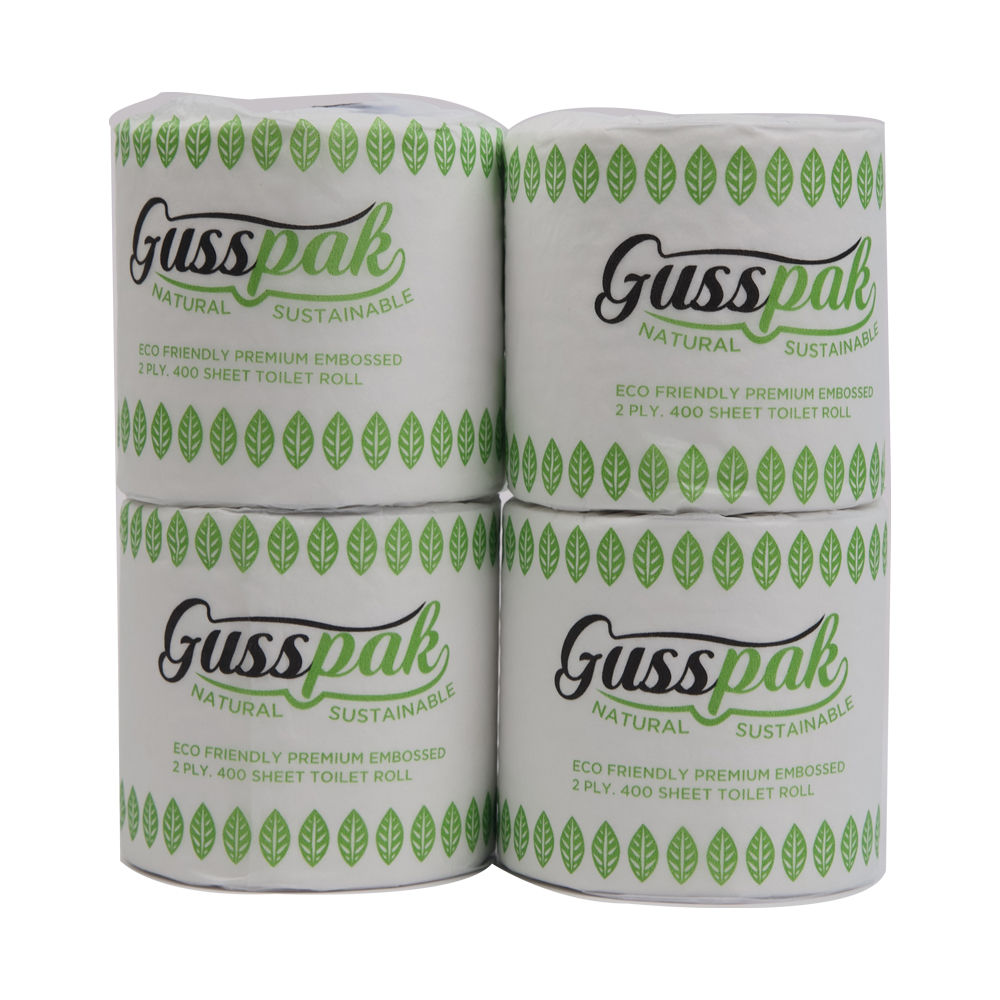
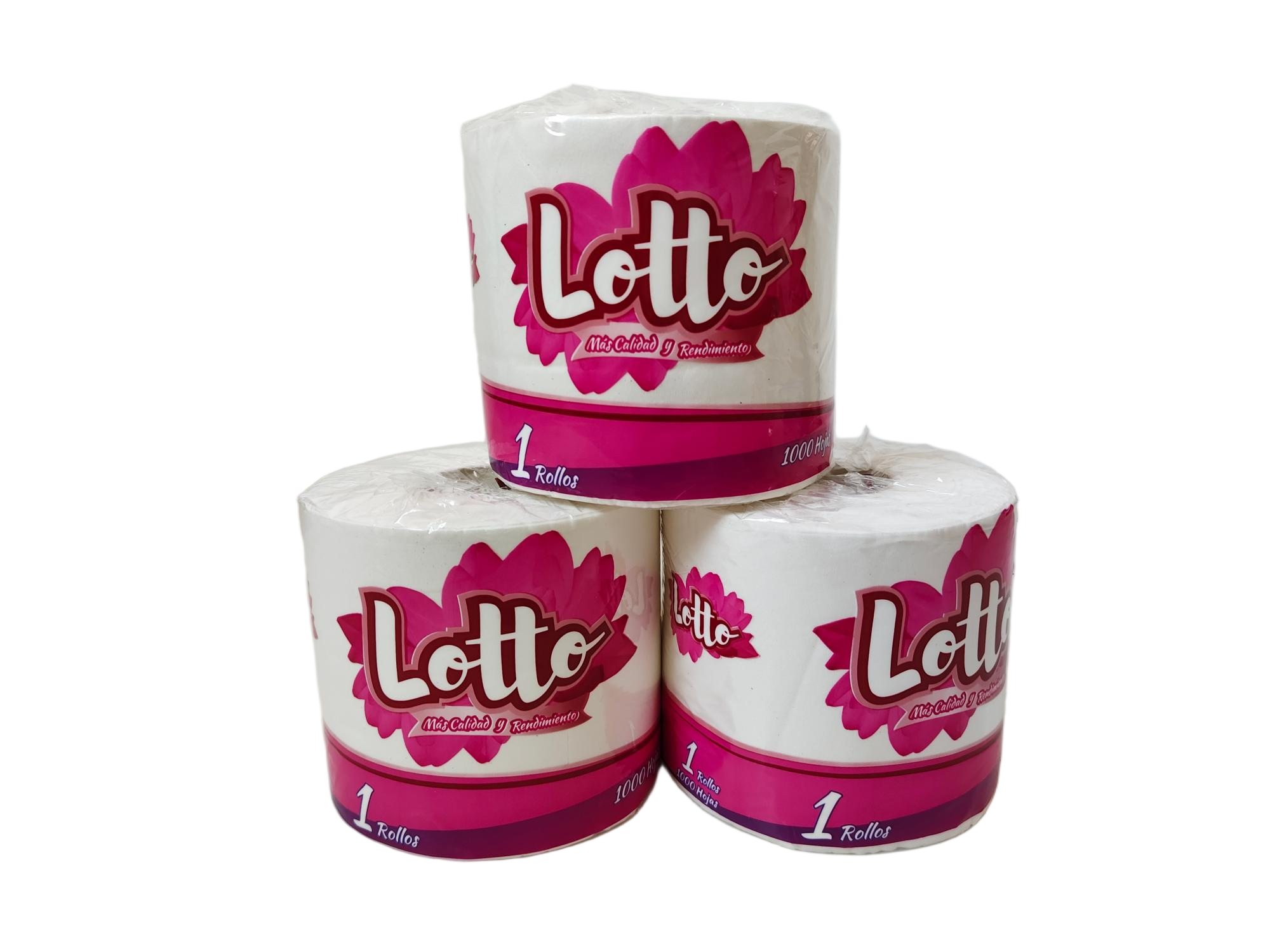
Innovation in the toilet paper industry continues. Manufacturers are exploring more sustainable fibers, such as bamboo, which grows much faster than trees and requires fewer resources. Advancements in recycling technology are also leading to better-quality recycled toilet paper that more closely mimics the softness of virgin pulp products.
As a forward-thinking company, Baoda Paper stays at the forefront of these developments. We are committed to producing high-quality toilet paper while exploring sustainable practices. Whether it’s a classic soft toilet paper or a new eco-friendly option, our focus remains on delivering the best products to our customers worldwide.
Toilet paper is made from cellulose fibers, which primarily come from two sources: virgin wood pulp or recycled paper. Virgin pulp is sourced from trees and is known for producing very soft toilet paper. The fibers are processed, bleached, and pressed into thin sheets. Recycled toilet paper is made from used paper products that are cleaned, de-inked, and pulped to create new paper. Both types are safe and effective, but virgin pulp generally yields a softer and stronger toilet paper. Additives like lotions or scents may also be included in some specialty toilet paper products.
With over two decades of experience, Baoda Paper Enterprise Co., Ltd is a trusted name in the global tissue paper industry. Our dedication to quality, advanced manufacturing capabilities, and extensive export network make us the ideal partner for your wholesale toilet paper needs. We produce consistently excellent and soft toilet paper that satisfies customers around the world.
If you are looking for a reliable supplier of high-quality toilet paper, we invite you to connect with us. Discover the difference that experience and quality can make.
For inquiries and orders, please contact Baoda Paper today.
Email: sale@baodapaper.com
Phone: +86-750-6895212
Related News



Connect with us
If you have any questions or sourcing requirements for household tissue paper products, please feel free to contact our sales team.
Baoda Paper, established in 1998, is a certified tissue paper manufacturer with 30,000‑ton annual capacity, supplying worldwide markets.
Our professional team will provide detailed product info and custom‑tailored solutions for you.
Mob:0086-13380963281
E-mail:sale@baodapaper.com


| | Address: Xinyuan Industrial Development , Xinhui District , Jiangmen City, Guangdong province , China |
| | Custom Support & Sale: +86-750-6895212 |
| | phone: +86-13380963281 |
| | E-mail: sale@baodapaper.com |


