Views: 0 Author: Site Editor Publish Time: 2026-04-25 Origin: Site


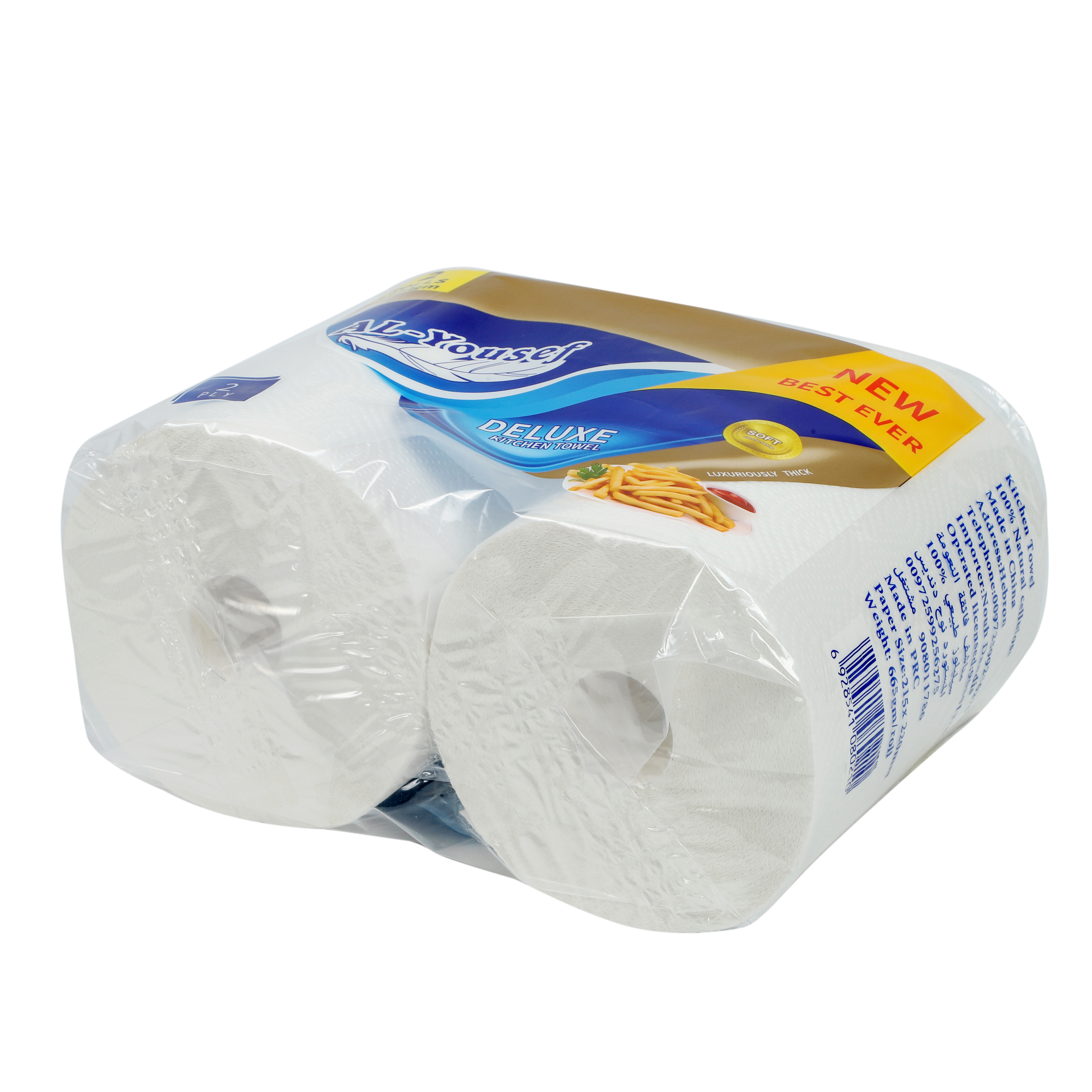
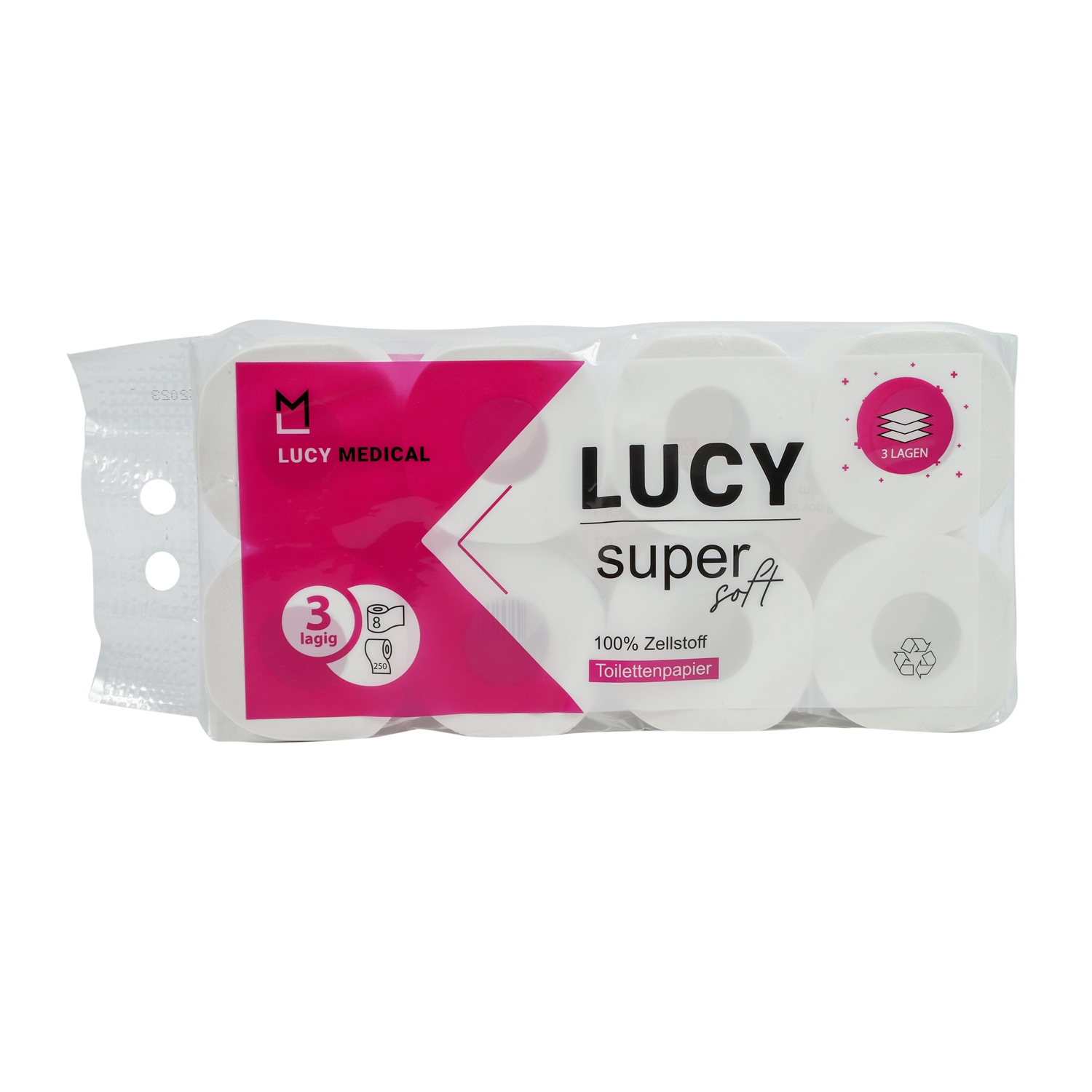
We use it every single day, yet few of us stop to think about the economics behind it. You walk down the grocery store aisle and see shelves packed with different brands, sizes, and claims of supreme softness. Prices seem to range from budget-friendly bulk packs to premium luxury rolls. So, how much is a roll of toilet paper, really?
The answer is rarely a simple number. The final price tag depends on a complex mix of manufacturing choices, material sourcing, and consumer preferences. Whether you manage household expenses or stock supplies for a business, understanding these factors helps you make smarter purchasing decisions.
In this guide, we will break down exactly what goes into the cost of your paper products. We will explore how material quality, ply count, and packaging dictate the price. By the end, you will know exactly what you are paying for when you add that pack to your cart.
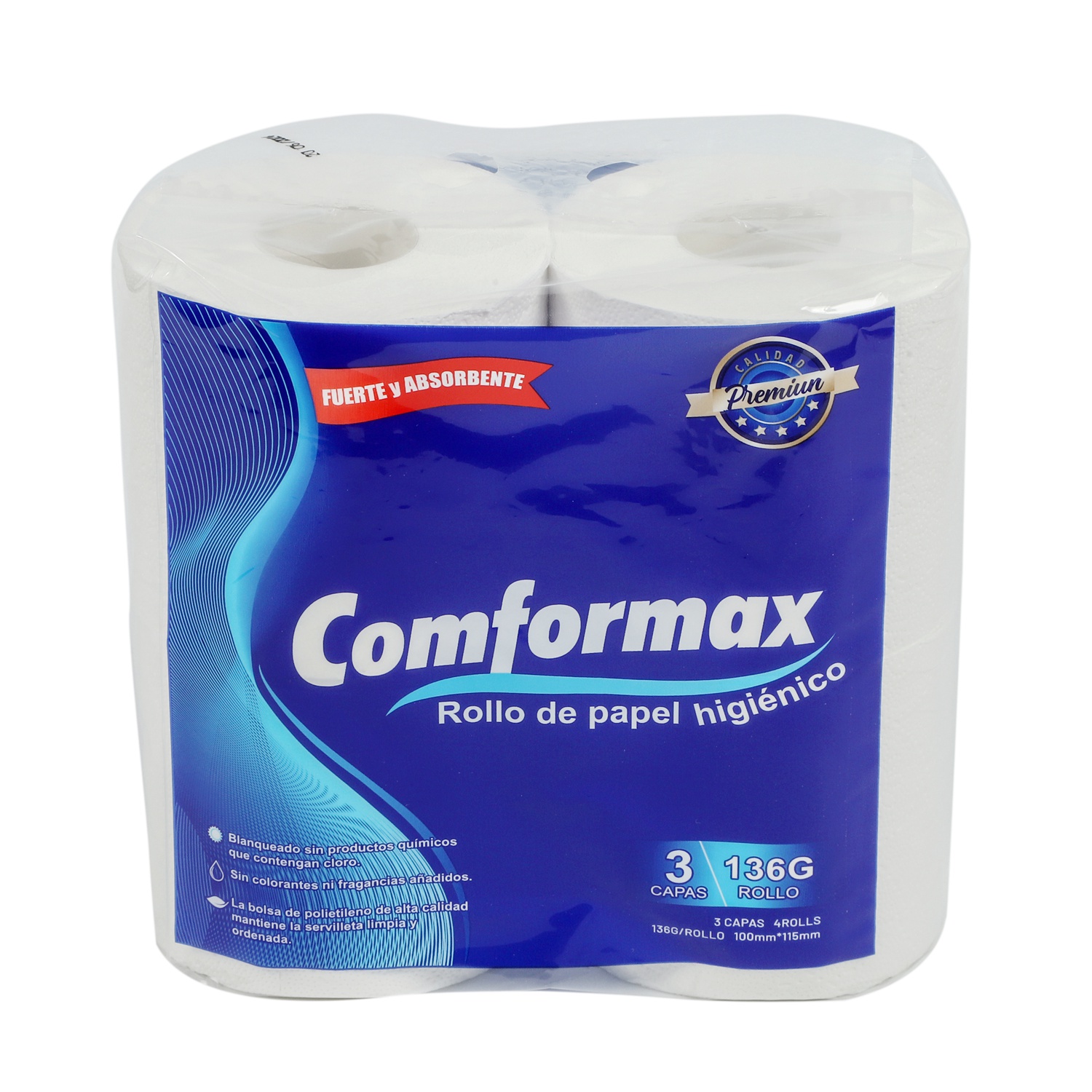

The price gap between the cheapest store brand and a luxury name brand is not just a matter of marketing. Manufacturers make several distinct choices during production that directly affect the cost of their toilet rolls.
The primary driver of cost is the raw material used to make the paper. Traditional premium toilet paper relies on virgin wood pulp. This pulp comes directly from trees and undergoes extensive processing to achieve a soft, plush texture. Because it requires fresh timber and intensive processing, virgin pulp represents the most expensive raw material option.
On the other hand, many budget-friendly options use recycled paper. Manufacturers collect post-consumer waste, clean it, and process it into fresh pulp. This method uses fewer natural resources and requires less energy, significantly lowering the production cost. You often see these savings passed directly to the consumer.
Recently, bamboo has entered the market as a popular alternative. Bamboo grows rapidly and requires fewer resources than traditional trees, making it highly sustainable. However, the specialized processing required to turn bamboo into soft paper means it often carries a premium price tag similar to virgin wood pulp.
When you shop for paper products, you constantly see the word "ply." Ply simply refers to the number of layers stacked together to create a single sheet.
A single-ply roll features one layer of paper. It breaks down quickly in plumbing systems and costs very little to manufacture. Two-ply options fuse two distinct layers together, offering a much better balance of strength and comfort. Some luxury brands even produce three-ply or four-ply options, delivering maximum thickness and absorbency.
Naturally, more layers mean more raw material used per roll. A high-ply count requires more pulp, heavier processing, and thicker packaging. Therefore, as the ply count increases, the price of the roll rises proportionally.
The way you buy your paper products changes the per-roll cost drastically. Buying habits and specialty preferences heavily influence your bottom line.
If you buy a single roll at a convenience store, you pay a massive premium. Retailers mark up individual items to cover their overhead. To find the true baseline cost, you must look at bulk packaging.
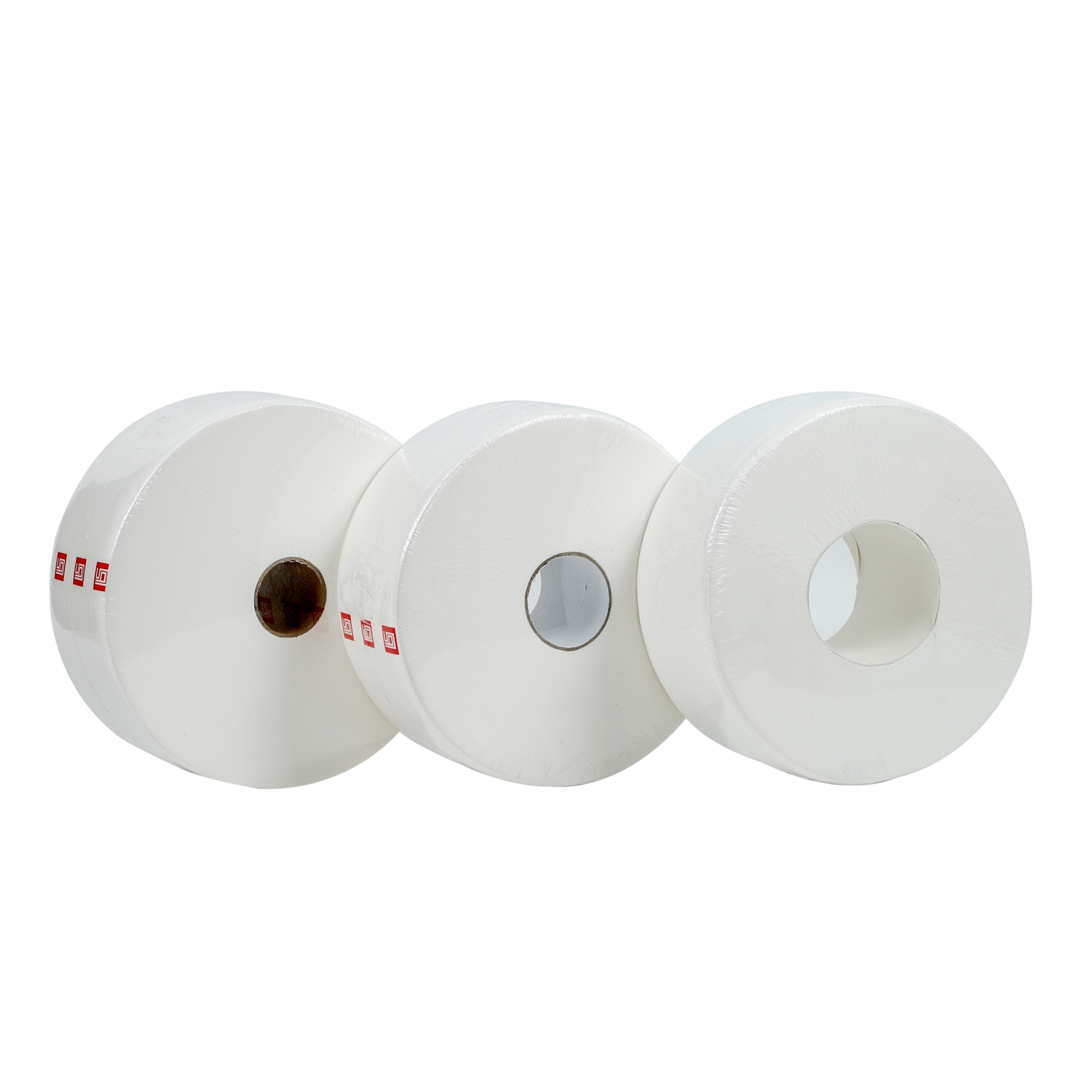
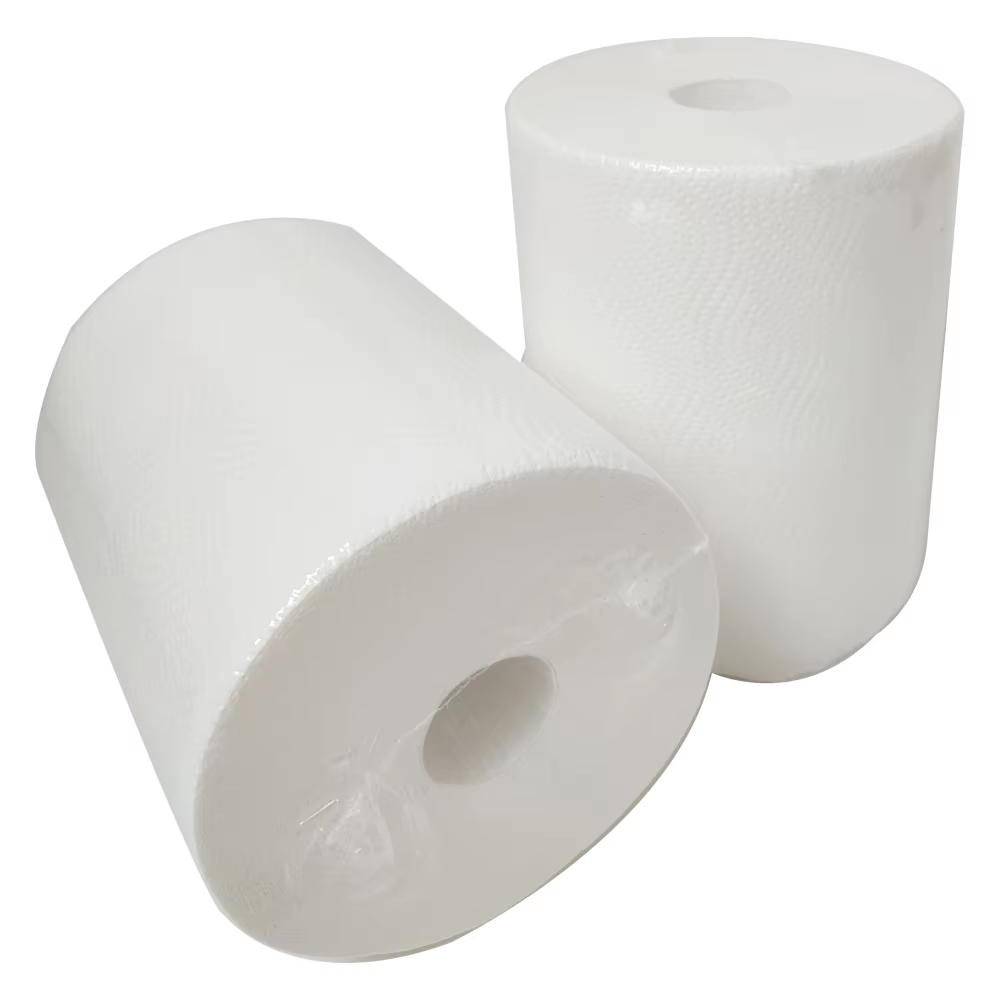
When you purchase a 24-pack or a 36-pack, the manufacturer saves money on packaging and shipping logistics. They pass a fraction of those savings on to you. Commercial buyers take this even further. Large offices and retail centers purchase massive shipments of jumbo tissue rolls designed for heavy-duty dispensers. Because these rolls prioritize sheer volume over luxury packaging, the cost per foot drops significantly compared to standard household rolls.
Sometimes, you pay for visual aesthetics rather than just function. The market for specialty paper products has grown significantly in recent years. Interior designers and luxury venues sometimes seek unique options to match a specific decor style.
For example, a high-end restaurant or a modern boutique hotel might stock high-quality toilet paperto complement a dark, moody bathroom aesthetic. Creating these dyed specialty rolls requires extra manufacturing steps, specific color-safe dyes, and limited production runs. Because they serve a niche market, novelty and colored options almost always cost significantly more than standard white paper.

You cannot ignore the power of branding when calculating the cost of consumer goods. How a company packages and markets its product plays a massive role in the final retail price.
Take a close look at a premium brand next time you shop. The plastic wrapping is thicker. The printing features bright, high-quality colors. Sometimes, the brand even scents the cardboard tube. Every single one of these aesthetic choices adds a fraction of a cent to the production cost, which adds up over millions of units.
Budget brands skip these extras entirely. They use thinner wrapping, fewer ink colors, and basic cardboard tubes. By stripping away the visual flair, they keep the production cost as low as possible.
Major brands spend millions of dollars on television commercials, digital advertisements, and store displays. When you buy a heavily advertised brand, a portion of your money goes toward recouping those marketing expenses. Generic or store-brand options rarely run national advertising campaigns. They rely on shelf placement and low prices to attract buyers, allowing them to maintain a lower cost per roll.
To help you visualize how these factors come together, we have created a quick comparison guide. This table breaks down the different types of paper products based on their typical attributes and relative costs.
Type of Paper | Average Ply Count | Primary Material | Estimated Cost Per Roll |
Budget / Value | 1-Ply | Recycled Paper | Very Low ($0.50 - $0.80) |
Standard Household | 2-Ply | Mixed or Virgin Pulp | Moderate ($0.80 - $1.20) |
Premium Luxury | 3-Ply to 4-Ply | Virgin Pulp | High ($1.20 - $2.00+) |
Eco-Friendly Bamboo | 2-Ply to 3-Ply | Bamboo Pulp | High ($1.30 - $2.50) |
Commercial Jumbo | 1-Ply or 2-Ply | Recycled Paper | Very Low (Per foot value) |
Specialty / Novelty | 2-Ply to 3-Ply | Dyed Virgin Pulp | Very High ($3.00+) |
Note: Prices fluctuate based on location, retailer, and current raw material costs. Use this table as a general baseline for comparison.
So, how much is a roll of toilet paper? It can be fifty cents, or it can be three dollars. The real question you should ask is: what do you actually need?
If you manage a bustling household with children, a standard two-ply option likely offers the best balance of comfort and budget. If you want to reduce your environmental footprint, investing slightly more in bamboo or recycled products makes sense. If you manage a commercial facility, buying jumbo bulk rolls will keep your overhead costs manageable.
By understanding how material quality, ply counts, and marketing affect the final price, you gain control over your budget. You no longer have to stare blindly at the grocery store shelves. You can evaluate the options based on their true manufacturing value.
At Baoda Paper, we understand the science and economics behind quality paper products. Whether you need standard supplies for your home or durable options for your business, knowing what goes into the roll helps you buy with confidence. Evaluate your daily needs, compare your options, and choose the product that offers the right balance of comfort and value for your specific situation.
Related News



Connect with us
If you have any questions or sourcing requirements for household tissue paper products, please feel free to contact our sales team.
Baoda Paper, established in 1998, is a certified tissue paper manufacturer with 30,000‑ton annual capacity, supplying worldwide markets.
Our professional team will provide detailed product info and custom‑tailored solutions for you.
Mob:0086-13380963281
E-mail:sale@baodapaper.com

| | Address: Xinyuan Industrial Development , Xinhui District , Jiangmen City, Guangdong province , China |
| | Custom Support & Sale: +86-750-6895212 |
| | phone: +86-13380963281 |
| | E-mail: sale@baodapaper.com |