
Views: 0 Author: Site Editor Publish Time: 2026-01-17 Origin: Site


Have you ever wondered about the journey of the humble roll of toilet paper? From a raw material to the finished product in your bathroom, the process is more complex than you might think. Understanding how toilet paper is made can help you make more informed choices, especially when considering options like traditional, recycled, or even bamboo toilet paper. It also sheds light on why buying toilet paper in bulk has become such a popular choice for households and businesses.
This guide will explore the entire manufacturing process. We will look at how trees or alternative fibers are turned into pulp, how that pulp becomes paper, and what makes different types of toilet paper unique. Let's unroll the fascinating story behind one of the most essential household products.
The first major step in creating any kind of toilet paper is making pulp. This is the foundational slurry of fibers that will eventually be pressed and dried into paper. The source of these fibers determines the type of toilet paper being produced, whether it's from virgin trees, recycled materials, or sustainable alternatives like bamboo toilet paper.

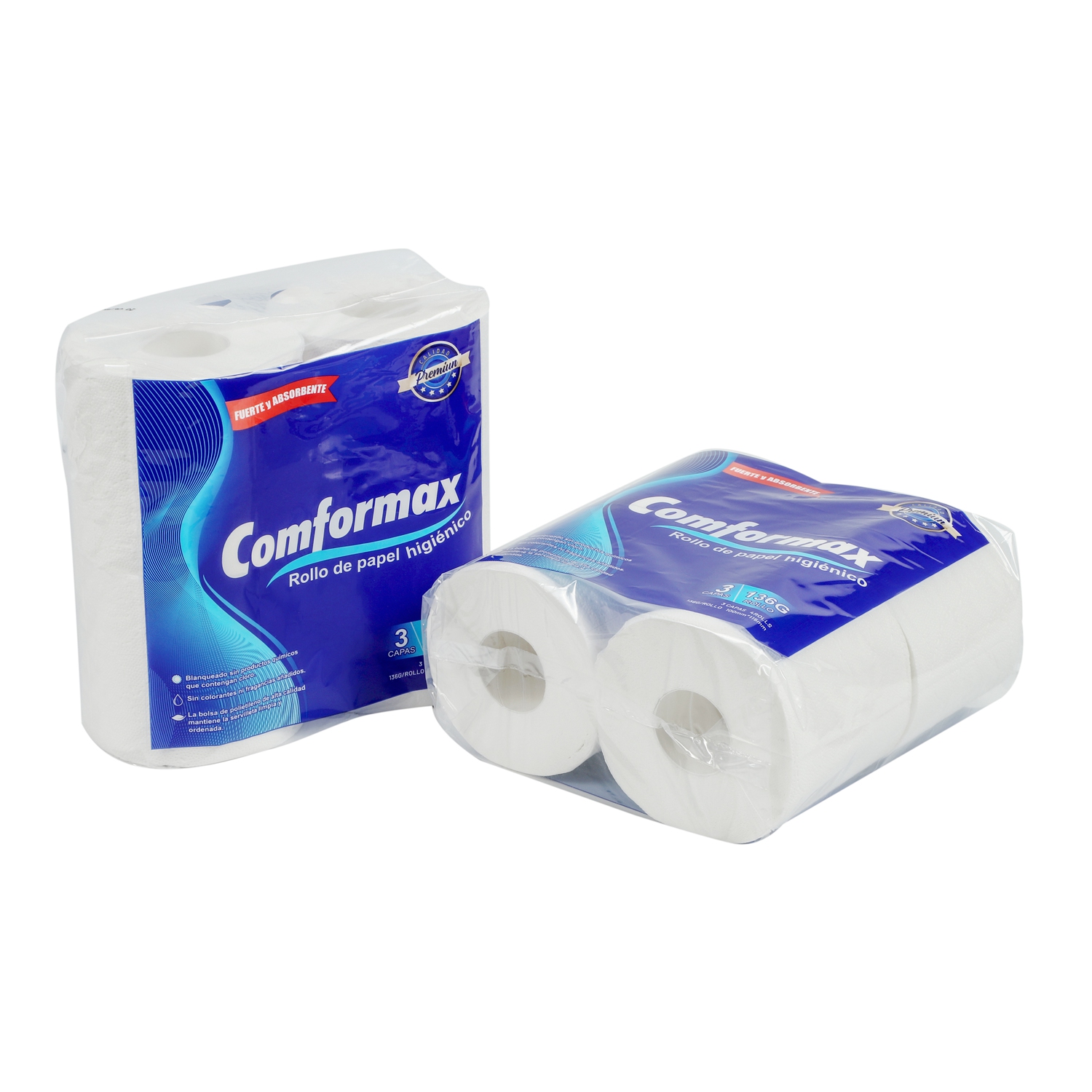
For traditional toilet paper, the process begins with trees, typically a mix of hardwoods and softwoods. These logs are fed into a debarking machine to remove the outer layer. Afterward, they are sent to a chipper, which breaks the large logs into small, manageable wood chips.
These chips are then cooked in a large pressure cooker with chemicals, a process known as the Kraft process. This breaks down the lignin, the natural glue that holds wood fibers together. The result is a soft, fibrous mush called wood pulp. This pulp is then washed, cleaned, and bleached to achieve the white color and softness consumers expect from their toilet paper.
Creating recycled toilet paper involves a slightly different initial process. It starts with large bales of used paper products collected from homes and businesses. These bales are put into a large vat, called a pulper, filled with warm water. The pulper agitates the mixture, breaking the paper down into a slurry of fibers.
This pulp then goes through a series of cleaning and de-inking stages. Screens, filters, and centrifugal cleaners remove contaminants like staples, plastic, and dirt. A flotation process is used to remove ink, where air is bubbled through the pulp, causing the ink particles to rise to the surface where they can be skimmed off. This process results in a clean pulp ready for making new toilet paper.
The production of bamboo toilet paper starts with harvesting mature bamboo stalks. Bamboo is a fast-growing grass, making it a highly renewable resource. The harvested bamboo is cut into chips and then cooked to break it down into pulp, similar to the wood process.
However, bamboo fibers are naturally softer and stronger than many wood fibers, often requiring fewer chemicals for processing. Many brands of bamboo toilet paper also use unbleached pulp, which is better for the environment. The result is a high-quality, sustainable pulp for creating soft and durable bamboo toilet paper.
Once the pulp is prepared, the next stage is to turn it into the familiar sheets we use. This part of the process is largely the same regardless of whether the pulp came from trees, recycled paper, or bamboo.
The cleaned pulp, which is about 99.5% water and 0.5% fiber, is sprayed onto massive mesh screens. The water drains away, and the interlocking fibers begin to form a thin mat of paper. This fragile sheet is then moved onto a large, heated cylinder called a Yankee dryer. As the paper dries, it is scraped off the cylinder with a thin metal blade, a process called creping. This is what gives toilet paper its signature softness and slight crinkliness.
The large parent rolls of paper are then embossed with a pattern, which can increase softness and absorbency. They are then slit into long, narrow strips and perforated at regular intervals to create individual sheets. Finally, these strips are wound onto cardboard cores to create the finished logs, which are then cut into the standard-sized rolls of toilet paper you see in stores. These rolls are then packaged, ready for shipment. This is the final stage before you can purchase individual rolls or buy toilet paper in bulk.
Not all toilet paper is created equal. The source material, ply count, and manufacturing process all contribute to the final product's characteristics. Understanding these differences can help you choose the best toilet paper for your needs.
Feature | Virgin Wood Toilet Paper | Recycled Toilet Paper | Bamboo Toilet Paper |
|---|---|---|---|
Source Material | Hardwood and softwood trees | Post-consumer paper waste | Bamboo grass |
Softness | Generally very soft | Can be less soft | Often very soft and silky |
Strength | Strong and durable | Strength can vary | Very strong and durable |
Sustainability | Relies on cutting down trees | Reduces waste, saves trees | Highly renewable resource |
Environmental Impact | High water/energy use, bleaching | Lower water/energy use, de-inking | Fast-growing, less chemicals |
Ply refers to the number of layers of paper that make up a single sheet of toilet paper.
1-Ply: Consists of a single layer. It's often thinner and more economical, making it a common choice for those buying toilet paper in bulk for commercial use. It also dissolves quickly, which is good for older plumbing systems.
2-Ply: The most common type, made of two layers. It offers a good balance of softness, strength, and absorbency for everyday household use.
3-Ply or More: Often marketed as "ultra-soft" or "premium," this type of toilet paper has three or more layers. It provides maximum comfort and thickness.
When considering options, the choice between a standard roll and a jumbo roll of bamboo toilet paper often comes down to personal preference for thickness and how often you want to change the roll.
Buying toilet paper in bulk has become increasingly popular for several reasons. For families, it's a matter of convenience and cost savings. Purchasing a large quantity at once means fewer trips to the store and often a lower price per roll. For businesses, buying toilet paper in bulk is a necessity to keep restrooms stocked for employees and customers. Whether it's standard rolls or jumbo rolls of bamboo toilet paper, bulk purchasing is an efficient and economical strategy.


The main chemicals are used during the pulping process to break down wood or bamboo fibers. In the Kraft process for wood, this includes chemicals like sodium hydroxide and sodium sulfide. Bleaching agents, often chlorine-based or oxygen-based, are used to whiten the pulp. High-quality toilet paper manufacturers rinse the pulp thoroughly to remove these substances from the final product.
Bamboo toilet paper is widely considered a more sustainable option. Bamboo grows incredibly fast, can be harvested multiple times without being replanted, and generally requires less water and fewer pesticides than trees. The production of bamboo toilet paper can also use fewer harsh chemicals, especially if it is unbleached.
Softness is achieved through several methods. The selection of fibers plays a role—softwood and bamboo fibers are naturally softer. The creping process, where the paper is scraped off a dryer, creates texture and softness. Embossing patterns and using multiple plies also add to the perceived softness and thickness of the toilet paper.
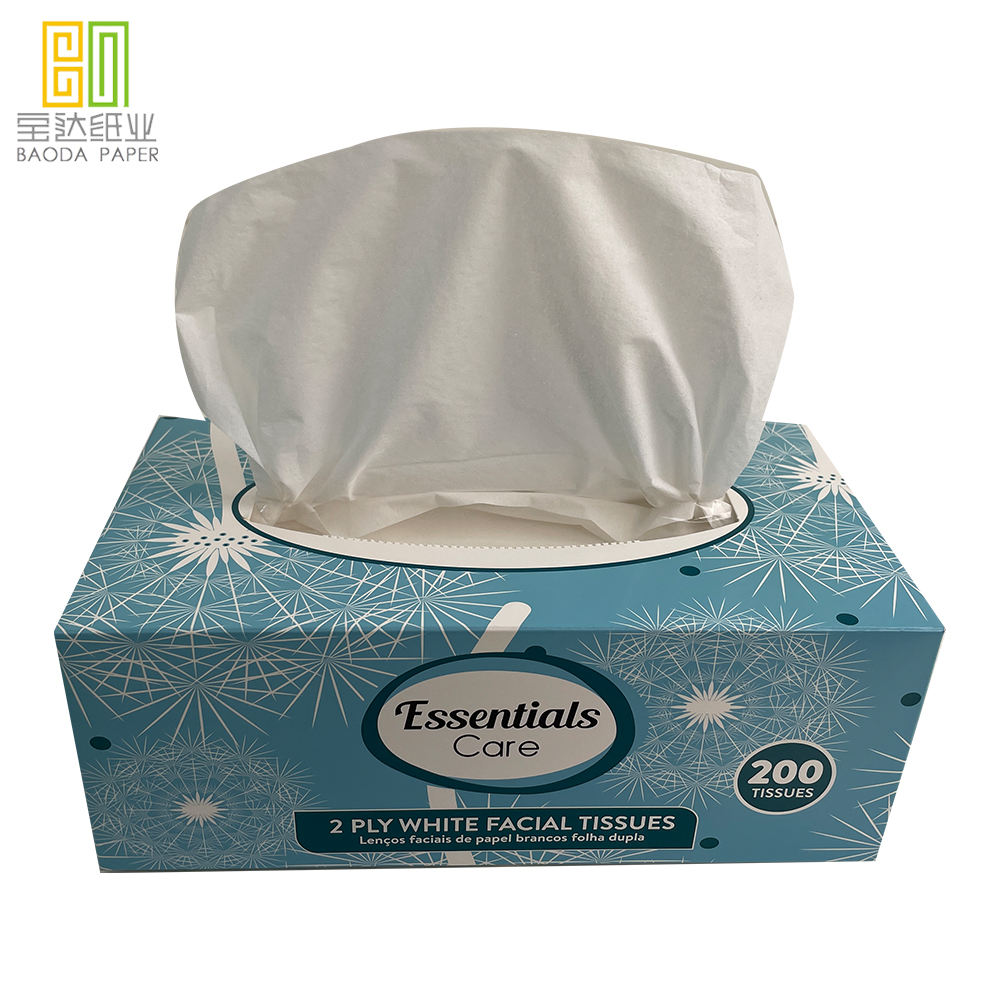
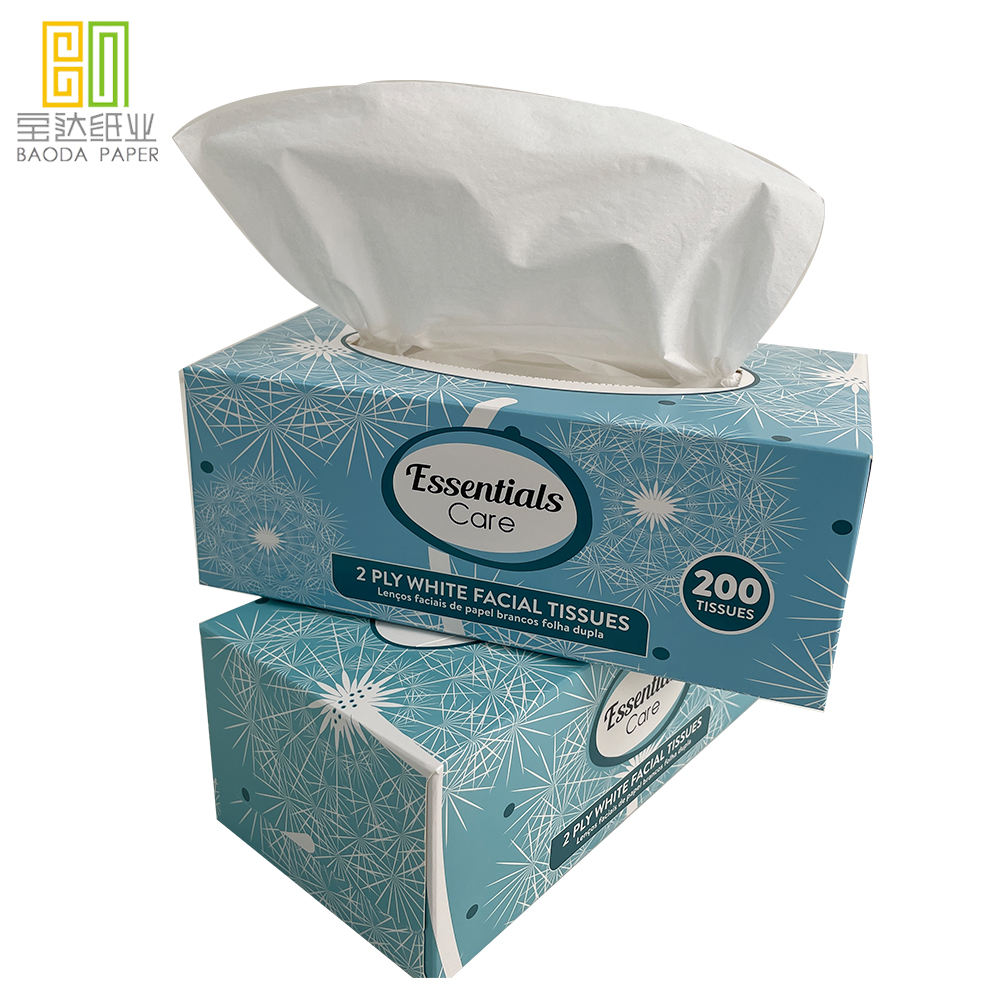
Yes, in most cases, buying toilet paper in bulk results in a lower cost per roll. It's a smart way for households to manage their budget for essential goods. This applies to all types, including standard toilet paper and bamboo toilet paper.
For those looking for a reliable, high-quality option, consider Baoda Paper. We specialize in producing a range of paper products, including premium toilet paper and bamboo toilet paper, available for bulk purchase.
Email: sale@baodapaper.com
Phone: +86-750-6895212

| | Address: Xinyuan Industrial Development , Xinhui District , Jiangmen City, Guangdong province , China |
| | Custom Support & Sale: +86-750-6895212 |
| | phone: +86-13380963281 |
| | E-mail: sale@baodapaper.com |


