Views: 0 Author: Site Editor Publish Time: 2026-10-20 Origin: Site


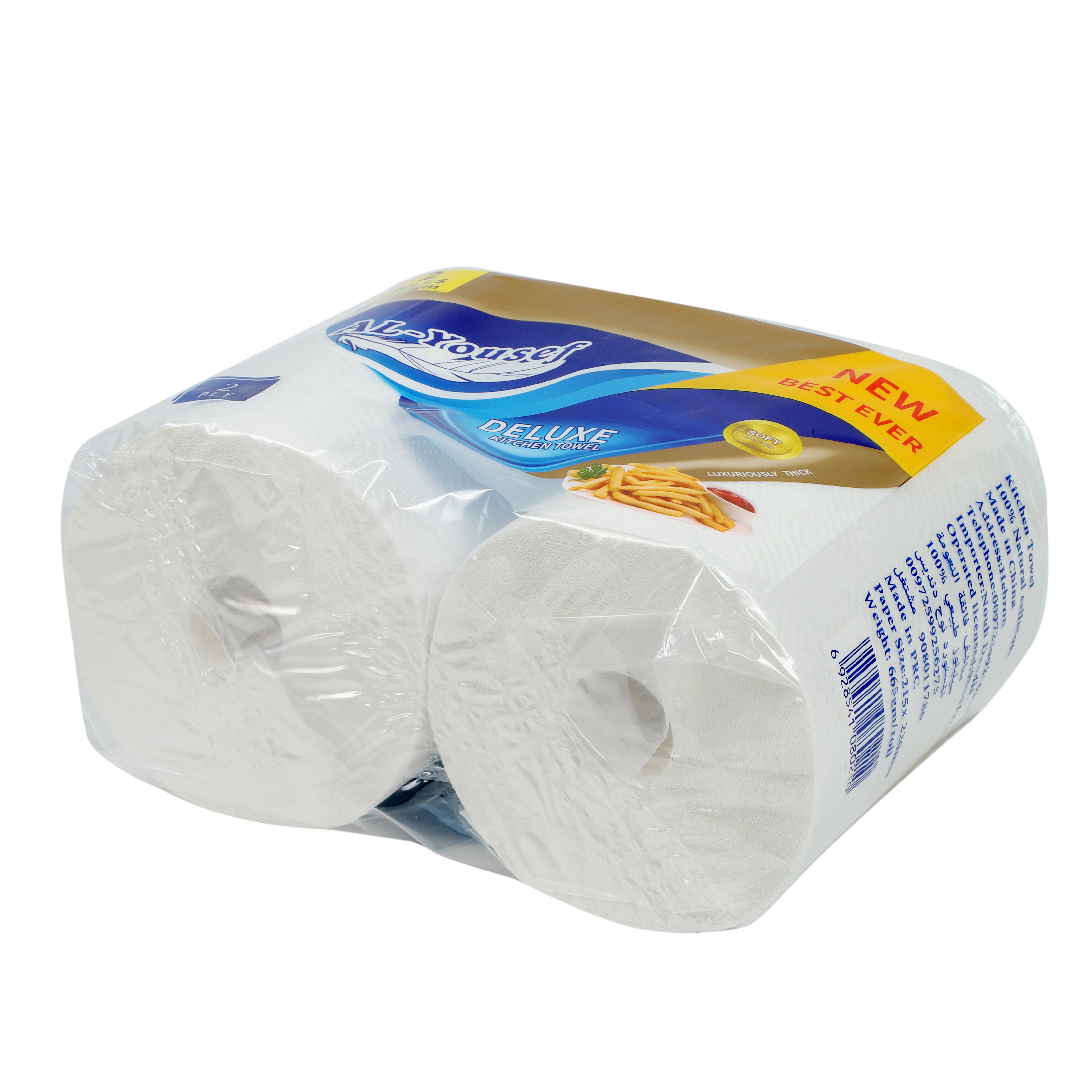
Choosing the right Kitchen Roll for a household, restaurant, or hotel isn't as simple as picking the cheapest pack on the shelf. Absorbency, tensile strength, and even the raw fiber used all affect how well a roll performs once it meets a spilled drink or a greasy countertop. Buyers who understand these differences end up with products that last longer, waste less, and actually do the job they're bought for.
This guide breaks down what separates a mediocre roll from a genuinely useful one, how bamboo-based options compare with traditional wood-pulp sheets, and what questions to ask before placing a bulk order.
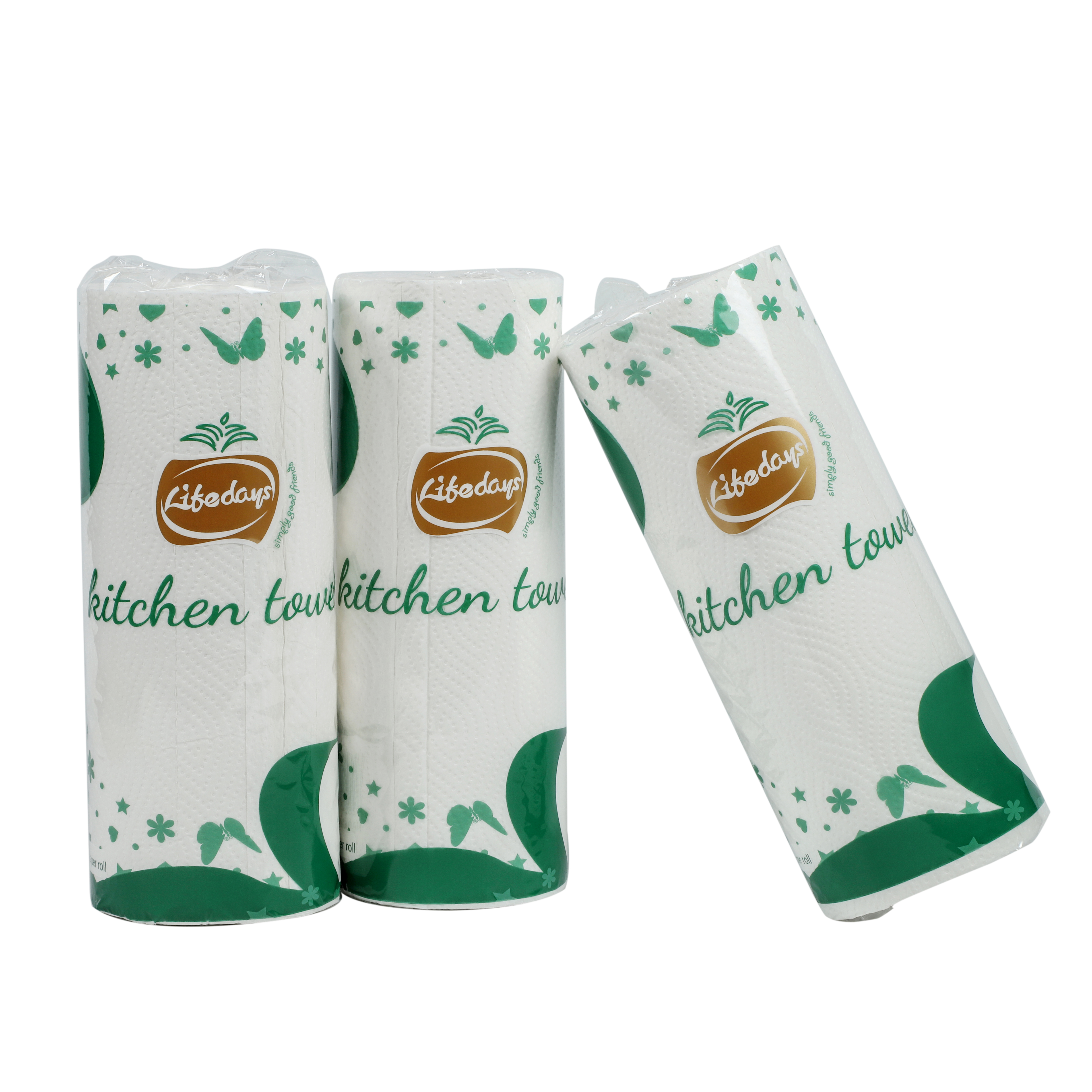
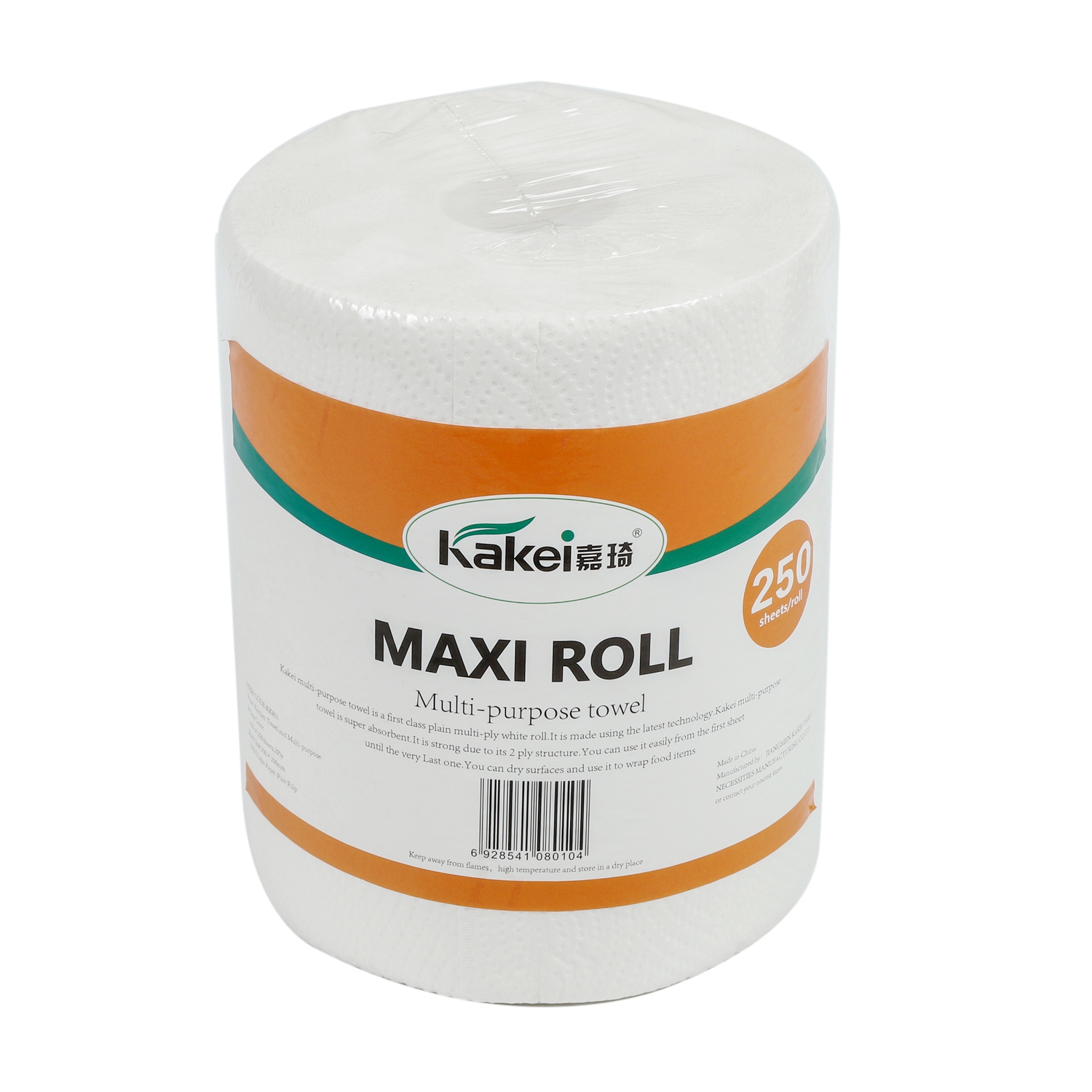
Absorbency comes down to three factors: fiber length, embossing pattern, and ply count. Longer fibers create more open space within the sheet, allowing liquid to soak in rather than pool on the surface. Embossing — the raised dot or diamond pattern pressed into the paper — increases surface area and creates tiny pockets that trap moisture. Two-ply and three-ply sheets naturally hold more than single-ply, though thickness alone isn't a guarantee of performance; poorly bonded plies can separate and tear mid-wipe.
Tensile strength matters just as much as absorbency. A towel that falls apart the moment it's wet is useless for scrubbing a pan or wiping down a cutting board. Manufacturers test wet strength specifically because this is where cheaper products tend to fail.
Wood pulp has been the standard for decades because it's reliable and widely available, but it isn't the only option. Bamboo pulp has gained traction because bamboo fibers are naturally more rigid, which translates into a sturdier sheet without needing as much chemical treatment. A Bamboo Kitchen Roll tends to hold its shape better when wet, making it a popular choice for buyers who want durability alongside a lower environmental footprint, since bamboo regenerates far faster than tree pulp sources.
The table below outlines how the three most common base materials stack up against each other on the attributes buyers care about most.
Material | Softness | Wet Strength | Environmental Impact | Typical Use Case |
|---|---|---|---|---|
Virgin wood pulp | High | Moderate to High | Higher resource use | Everyday household cleaning |
Bamboo pulp | Moderate to High | High | Lower, faster-renewing resource | Eco-conscious households, hospitality |
Recycled pulp | Moderate | Moderate | Lowest raw material use | Budget-focused commercial use |
No single material wins across every category. The right choice depends on what a buyer values most — some prioritize softness for everyday use, others need maximum wet strength for commercial kitchens, and a growing number factor sustainability into the decision.
Here's something many buyers overlook: consistency between batches matters as much as the specifications on a single roll. A supplier that controls the entire process — from pulping the jumbo roll to converting and packaging the finished product — can maintain tighter quality control than one that outsources steps along the way.
Baoda Paper, established in 1998, has built its operations around exactly this kind of vertical control. Operating from a 20,000+ square meter facility in Jiangmen City, Guangdong, the company produces over 30,000 tons of tissue products annually, with more than 100 employees, many of whom bring over five years of industry experience to the floor. That combination of scale and tenure is part of why the company has supplied household paper products, including toilet tissue, facial tissue, napkins, and Kitchen Tissue Roll products, to international buyers for more than two decades.
For businesses sourcing in bulk, this kind of track record reduces a real risk: inconsistent batches that force a buyer to requalify a supplier every few months. A manufacturer with decades of production history and its own paper mill is generally better positioned to deliver the same quality on order number fifty as it did on order number one.
Some buyers want a ready-made brand; others want to build their own. Manufacturers with OEM capabilities allow retailers and distributors to put their own branding on a proven product line rather than developing manufacturing expertise from scratch. This matters most for businesses entering the household paper category for the first time, since formulation, embossing, and packaging all require specialized equipment that takes years to refine.
Choose an OEM partner if speed to market and brand control matter more than building in-house production. Choose a direct wholesale relationship instead if the priority is simply securing the lowest cost per unit on an established product line.
A few questions separate informed buyers from ones who end up disappointed:
What is the minimum order quantity, and does it match the buyer's storage capacity?
Can the supplier provide consistent lead times across seasons, including peak demand periods?
Is the sheet count and roll size standardized across shipments?
Does the supplier offer sample testing before committing to a full container order?
Skipping these questions is one of the most common reasons bulk buyers end up with mismatched inventory or quality complaints from customers.
Durability, fiber source, and supplier consistency all shape whether a roll performs well in daily use or ends up as a frustrating, short-lived purchase. Buyers who take the time to compare materials, request samples, and evaluate a manufacturer's production history put themselves in a far stronger position than those who shop on price alone.
For distributors, retailers, and hospitality buyers evaluating suppliers with decades of manufacturing experience, reviewing a company's full product range and production capacity is a sensible next step before committing to a purchase order.
What's the difference between single-ply and multi-ply kitchen rolls?
Multi-ply rolls combine two or more layers of tissue, which generally increases absorbency and strength compared to single-ply. However, bonding quality between layers affects how well the extra plies actually perform when wet.
Are bamboo-based rolls more expensive than standard options?
Pricing varies by supplier and order volume, but bamboo pulp products are often positioned close to standard wood-pulp pricing once manufacturers achieve production scale, rather than carrying a significant premium.
How can a buyer verify consistent quality across large orders?
Requesting product samples from recent production batches, checking a supplier's manufacturing history, and confirming third-party quality certifications are the most reliable ways to verify consistency before committing to a bulk order.
Related News




Connect with us
If you have any questions or sourcing requirements for household tissue paper products, please feel free to contact our sales team.
Baoda Paper, established in 1998, is a certified tissue paper manufacturer with 30,000‑ton annual capacity, supplying worldwide markets.
Our professional team will provide detailed product info and custom‑tailored solutions for you.
Mob:0086-13380963281
E-mail:sale@baodapaper.com


| | Address: Xinyuan Industrial Development , Xinhui District , Jiangmen City, Guangdong province , China |
| | Custom Support & Sale: +86-750-6895212 |
| | phone: +86-13380963281 |
| | E-mail: sale@baodapaper.com |