
Views: 0 Author: Site Editor Publish Time: 2024-12-17 Origin: Site


Paper pulp is a fibrous slurry made from plant-based materials that can be transformed into paper products. It’s the essential raw material used in the paper production process. The pulp can be made from wood, recycled paper, cotton, or other fibers. Once the raw fibers are separated, broken down, and softened, they are turned into a slurry that can be spread into sheets to create various paper products, including tissue, cardboard, and writing paper.
Pulp paper is the fundamental material used in the paper industry, formed by processing raw fibers into a slurry that can be shaped into paper products. The quality of pulp paper depends on the raw materials used, such as wood chips, recycled paper, or plant fibers, and the method of pulping, whether mechanical or chemical. Pulp paper is crucial for creating a variety of products, including writing paper, packaging materials, and tissue products. The pulping process determines the characteristics of the pulp paper, such as its texture, strength, and brightness. As such, pulp paper serves as the building block for much of the paper production that supports industries worldwide. Whether it's used for creating high-end printing paper or budget-friendly tissue, pulp paper is indispensable in modern manufacturing.
In the paper industry, pulp is divided into two main categories: wood pulp (which comes from trees) and recycled pulp (which comes from post-consumer paper). Pulping paper involves breaking down these fibers and converting them into a slurry-like consistency that can be easily molded into the desired form.
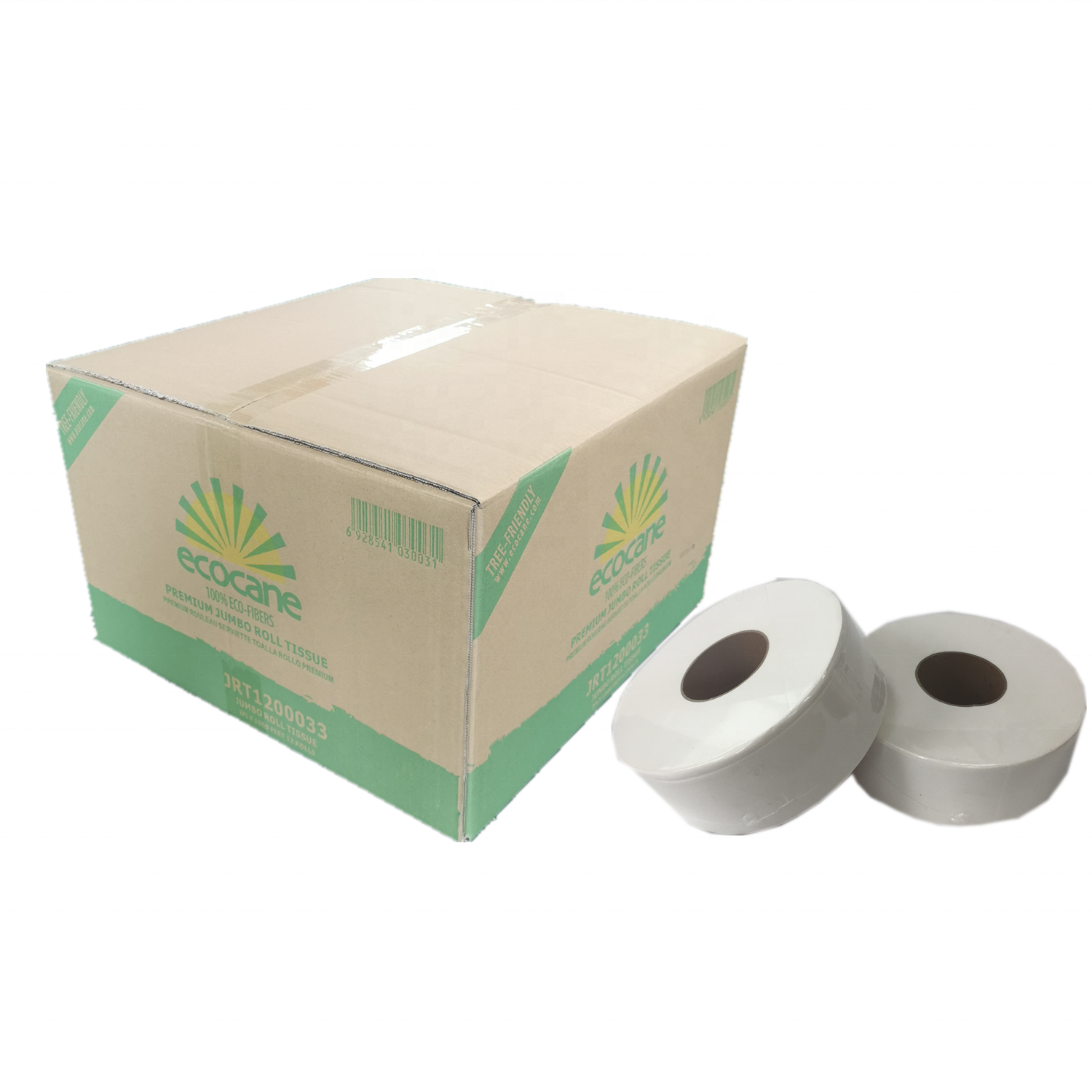
Pulping paper refers to the process of breaking down cellulose fibers from plant material to make paper pulp. The fibers in wood or other raw materials are mechanically or chemically broken apart using a variety of techniques to produce pulp.
There are two primary methods used to pulp paper:
Mechanical Pulping: This method involves grinding wood into small pieces to separate the fibers. It’s less efficient but preserves more of the fiber’s natural structure, making it ideal for products like newspapers and tissue paper. The main disadvantage is that it leaves a lot of lignin (a naturally occurring polymer in plants) in the pulp, which can lead to yellowing over time.
Chemical Pulping: In chemical pulping, wood chips are mixed with chemicals to break down the lignin, leaving behind pure cellulose fibers. This process is more energy-intensive but results in a higher-quality pulp with fewer impurities. It is commonly used to create higher-grade paper products, such as printing paper or tissues like jumbo roll tissue paper.
The pulp is then processed and turned into large sheets, which can be further refined depending on the end product, such as jumbo roll tissue for commercial use or decorative wrapping paper for retail.

Making paper pulp can be a straightforward process, whether you're working on a small craft project or are involved in industrial-scale paper production. Here’s a step-by-step breakdown of how to make paper pulp:
The first step is selecting the raw material. You can use various fibers like scrap paper, cardboard, old newspapers, or even natural plant fibers like cotton or flax. For industrial pulp, wood chips are the primary source of fiber.
For homemade pulp, start by shredding the paper into small pieces. The smaller the pieces, the easier it will be to break them down. If you're using wood or plant fibers, they should be chipped into manageable sizes.
Soak the shredded paper in warm water for several hours or overnight. This softens the fibers and helps to separate them during the pulping process. The longer you soak, the easier it will be to break down the paper.
After soaking, blend the paper in a blender or use a specialized pulping machine. If you’re doing this on a larger scale, the process may involve a pulping vat or a large industrial machine that separates the fibers using a combination of mechanical grinding and chemical processes.
The end result should be a thick, sludgy mixture of cellulose fibers suspended in water. This is the paper pulp, and it can be shaped into sheets using a papermaking screen or sent to a papermaking machine in industrial settings.
For higher-quality paper, the pulp needs to be refined further. This involves removing excess water, bleaching the pulp (if necessary), and sometimes adding fillers or chemicals to improve the paper's strength, texture, or appearance.
Once the pulp is ready, it can be spread out on a surface or passed through a drying machine to remove excess water. The dried pulp is then processed into paper products like tissue paper, toilet paper, or any other form.
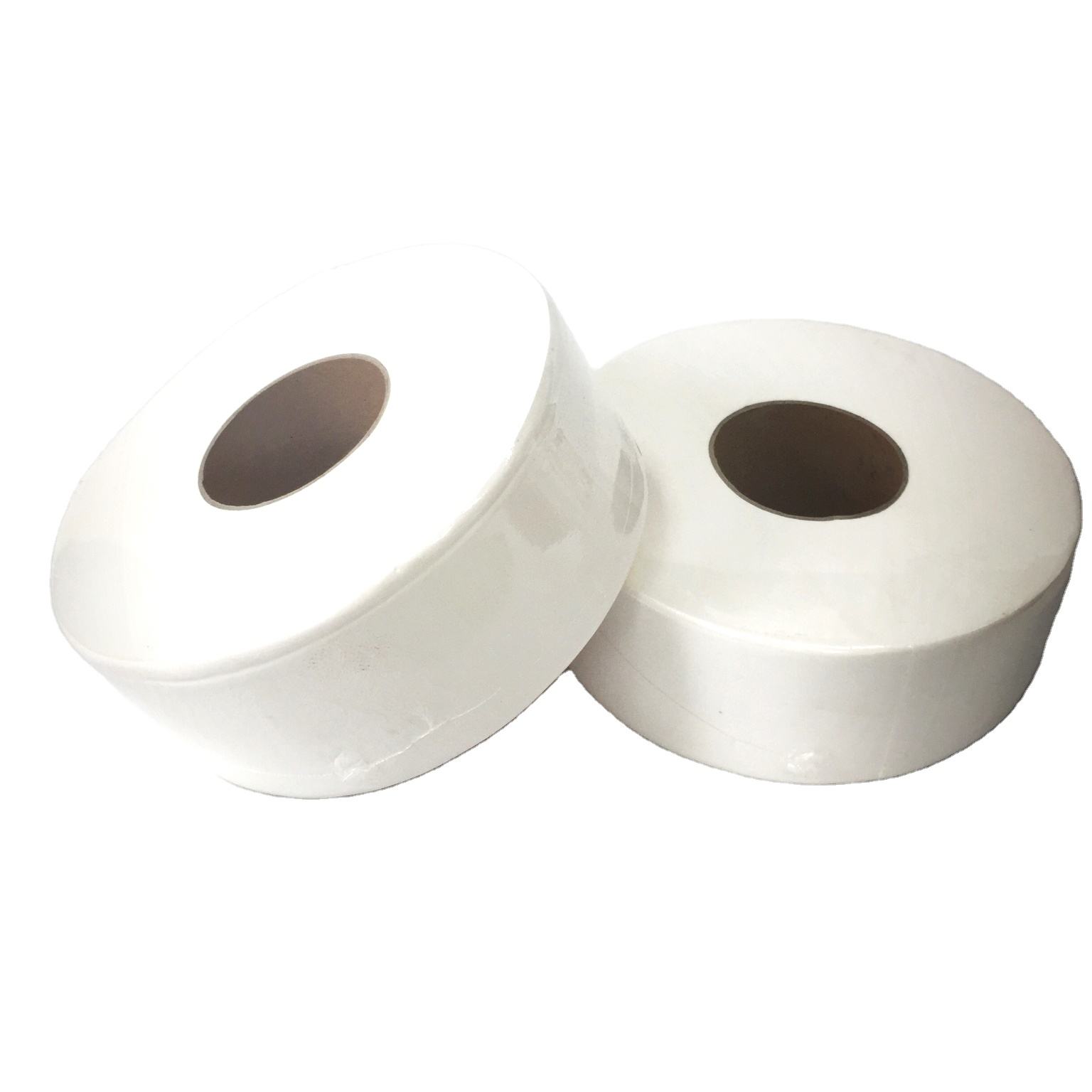
Jumbo roll tissue is a large roll of toilet paper or facial tissue that is used in commercial or industrial settings. These jumbo rolls are typically several hundred meters long, allowing businesses like restaurants, hotels, and offices to use them for high-demand environments. Jumbo roll tissue paper is known for its cost-effectiveness, as it reduces the need for frequent refills and minimizes waste.
These large rolls are often produced from paper pulp and can be processed into different textures and thicknesses depending on the final use. For example, premium tissues are often made from high-quality pulp, whereas budget-friendly tissues might use a mix of recycled paper and wood pulp.
1. How to make paper pulp?Making paper pulp involves shredding paper, soaking it in water, and then blending it into a sludgy consistency. For industrial pulp, wood chips or recycled paper is used, and chemicals or machines are employed to break down the fibers more efficiently.
2. What is paper pulp?Paper pulp is a fibrous slurry made from plant-based materials that is used in the production of paper products. It can be made from wood, cotton, or recycled paper and is the fundamental material for manufacturing paper.
3. What is pulping paper?Pulping paper refers to the process of breaking down raw materials (such as wood or recycled paper) into fibers and converting them into a slurry known as paper pulp. This process involves mechanical or chemical methods to separate the cellulose fibers from the raw material.
For high-quality jumbo roll tissue and other paper products made from the best paper pulp, we recommend Baoda Paper. They offer a wide range of products, including premium tissue paper suitable for commercial and industrial use.
Related News



Connect with us
If you have any questions or sourcing requirements for household tissue paper products, please feel free to contact our sales team.
Baoda Paper, established in 1998, is a certified tissue paper manufacturer with 30,000‑ton annual capacity, supplying worldwide markets.
Our professional team will provide detailed product info and custom‑tailored solutions for you.
Mob:0086-13380963281
E-mail:sale@baodapaper.com


| | Address: Xinyuan Industrial Development , Xinhui District , Jiangmen City, Guangdong province , China |
| | Custom Support & Sale: +86-750-6895212 |
| | phone: +86-13380963281 |
| | E-mail: sale@baodapaper.com |


