
Views: 0 Author: Site Editor Publish Time: 2024-11-26 Origin: Site


In today’s world, as consumers become increasingly conscious about sustainability and their environmental impact, many everyday products are under scrutiny. One such product is paper towels. Whether you're using them to clean up a mess, dry your hands, or even for craft projects, it’s important to understand how to properly dispose of them, what they're made of, and whether they can be recycled. With paper towels being a staple in most homes and workplaces, let's explore the answers to some commonly asked questions.

While it may seem convenient to flush paper towels down the toilet after use, the answer is no. Unlike toilet paper, which is designed to break down quickly when exposed to water, paper towels do not disintegrate in the same way. They are engineered to be more durable and absorbent, which is great for cleaning tasks but problematic when it comes to plumbing.
Flushing paper towels can cause clogs in your plumbing system, leading to blocked pipes and potentially expensive repairs. In addition to plumbing problems, paper towels that are flushed often end up in sewage systems or water treatment facilities, which are not designed to process them efficiently. Instead, it's best to dispose of paper towels in the trash or compost bin (if they are not contaminated with non-compostable substances like chemicals or oils).
Paper towels are not recyclable in most cases. This is because once they’ve been used, especially when they are wet or soiled, they contain contaminants like food waste, oils, or cleaning products that can interfere with the recycling process. The fibers in paper towels, which are often short and weak after being used, don’t make for a good pulp that can be recycled into new paper products.
However, unsoiled paper towels (those that are used only for drying hands or cleaning up dust) can technically be recycled, though it’s not common practice. Still, even clean paper towels aren’t typically accepted in curbside recycling bins due to contamination risks and the nature of the material. In general, you’ll find it better to dispose of them in a landfill or compost them if possible.
Paper towels are primarily made from wood pulp, which is sourced from trees. Most paper towels today are created using a mix of virgin wood pulp and recycled paper. The process involves grinding down the wood into tiny fibers, which are then pressed together and dried to form sheets of paper.
The main reason for the strength and absorbency of paper towels lies in the production process. During manufacturing, these fibers are pressed tightly to create thick and absorbent sheets. Some brands use a combination of recycled paper fibers, though the quality and absorbency may vary depending on the amount of virgin pulp used. Additionally, manufacturers sometimes add chemicals to bleach the paper, which can affect its recyclability.
Beyond the material itself, paper towels are typically produced in large, continuous rolls. These rolls are then cut into individual sheets or folded into the familiar design we use for everyday tasks. There are also different variations of paper towels, such as bathroom paper towels, which are often thinner and more lightweight, designed for drying hands and quick clean-ups in washrooms.
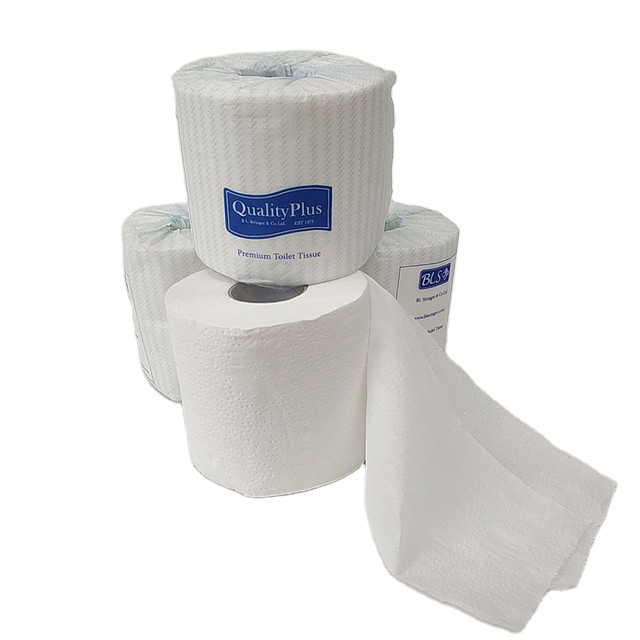
Paper towels are undeniably convenient, but their environmental impact has become a growing concern. With the increasing awareness about sustainability, more people are questioning the wisdom of using single-use products like paper towels, especially when considering their environmental footprint. The production of paper towels requires a significant amount of natural resources, including trees, water, and energy. Moreover, when used paper towels end up in landfills, they contribute to waste that can take years to decompose, releasing methane in the process.
The good news is that there are some eco-friendly alternatives available. Reusable cloth towels or napkins, for example, can be washed and reused multiple times. Similarly, many people are now making use of paper towel roll crafts, turning used rolls into creative DIY projects instead of discarding them. Crafting with used paper towel rolls has become a popular way to repurpose this material, whether you're making homemade gift boxes, bird feeders, or even sculptures.
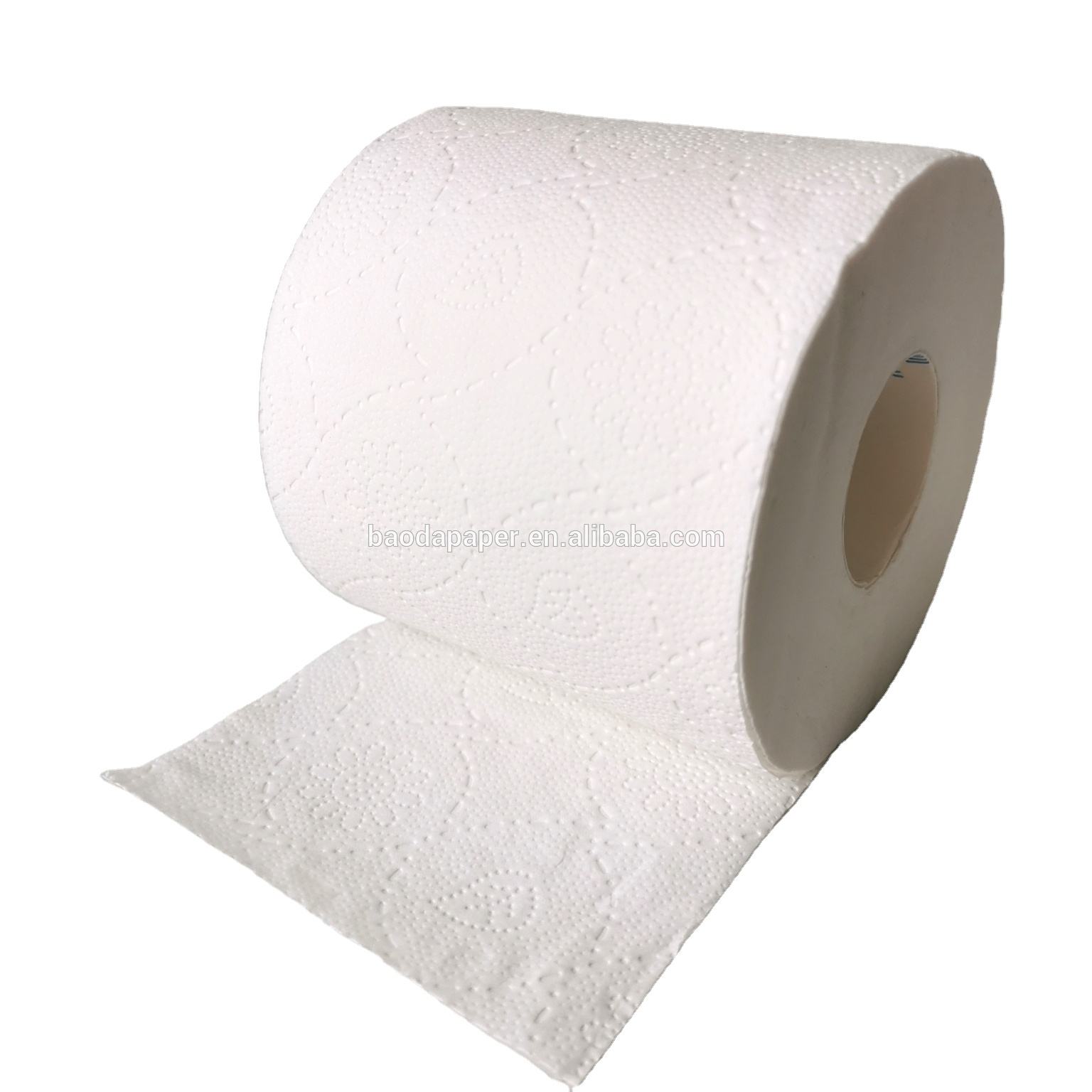
While paper towels may seem like an innocuous and convenient tool for cleaning and drying, they come with certain environmental and practical considerations. You should not flush paper towels down the toilet, as they can clog your plumbing. Paper towels are generally not recyclable, especially once they’ve been used, though clean, unused towels can technically be recycled in some cases. The main ingredient in paper towels is wood pulp, with some products containing a mix of recycled paper fibers.
As a consumer, it’s important to be mindful of how we use and dispose of paper towels. If you’re looking for more sustainable options, consider using cloth towels or exploring paper towel roll crafts to give used rolls a second life. For those still in need of high-quality paper towels, look for brands that offer more eco-friendly options, such as those made from recycled materials.
If you're in need of quality paper products, including eco-friendly options, look no further than BaoDa Paper. They offer a range of high-quality paper towels that cater to both individual and commercial needs. For more information or to place an order, contact BaoDa Paper at sale@baodapaper.com or call 0086-750-6895212
Related News



Connect with us
If you have any questions or sourcing requirements for household tissue paper products, please feel free to contact our sales team.
Baoda Paper, established in 1998, is a certified tissue paper manufacturer with 30,000‑ton annual capacity, supplying worldwide markets.
Our professional team will provide detailed product info and custom‑tailored solutions for you.
Mob:0086-13380963281
E-mail:sale@baodapaper.com


| | Address: Xinyuan Industrial Development , Xinhui District , Jiangmen City, Guangdong province , China |
| | Custom Support & Sale: +86-750-6895212 |
| | phone: +86-13380963281 |
| | E-mail: sale@baodapaper.com |


