
Views: 0 Author: Site Editor Publish Time: 2024-11-12 Origin: Site


In the digital age, sustainability and eco-friendly practices have become more than just trends—they've evolved into a critical focus across industries. Among the key players in this movement is paper pulp, a fundamental material used in the production of paper and many other products. Whether you're an eco-conscious consumer or simply curious about the materials around you, understanding paper pulp is essential. But what exactly is it? What is it used for? And how is it made?
Paper pulp is a fibrous material that forms the basic component of paper. It's made from a variety of raw materials, such as paper wood pulp chips, recycled paper, or even agricultural residues like straw or sugarcane. Pulp is essentially the intermediate product that comes from breaking down these raw materials into fibers, which are then processed into paper products.
The process of turning raw materials into pulp involves breaking down the fibers through mechanical or chemical means. Mechanical pulping involves grinding wood logs to extract fibers, while chemical pulping uses chemicals like sodium hydroxide to break down the lignin (the substance that holds wood fibers together) and separate the cellulose fibers.
The final pulp is a wet, mushy substance that is later dried and pressed into sheets, ready to be converted into various types of paper, from newsprint to cardboard and specialty papers.
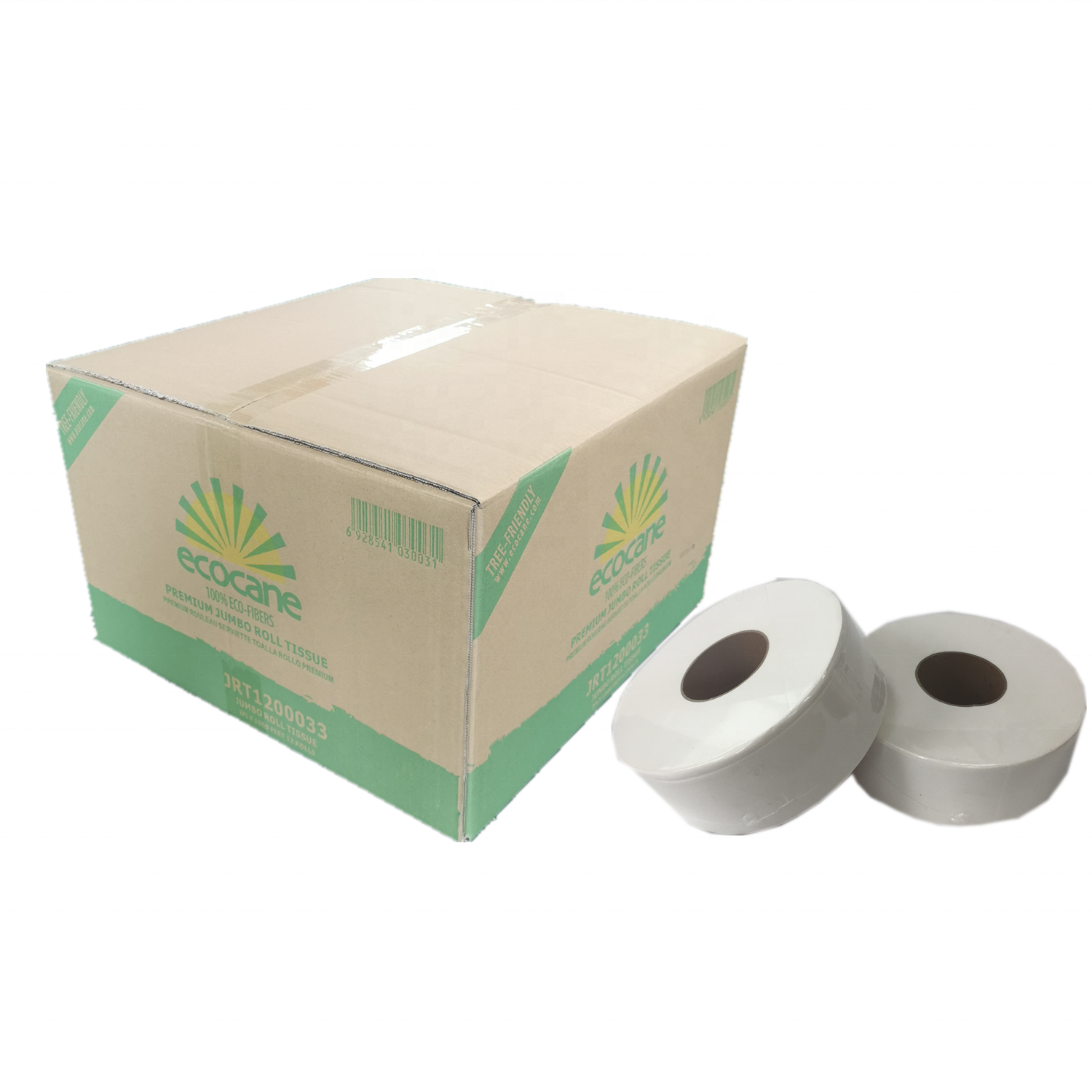
Pulp paper is used for a vast array of products that are part of our daily lives. Some of the most common uses include:
Writing and Printing Paper: This is the most well-known use of pulp paper. Whether it's in the form of printer paper, notebooks, or stationery, pulp paper serves as the foundation for most paper-based writing and printing materials.
Packaging: Many types of cardboard, such as those used for boxes, cartons, and shipping materials, are made from pulp. Recycled paper pulp is particularly popular for sustainable packaging solutions.
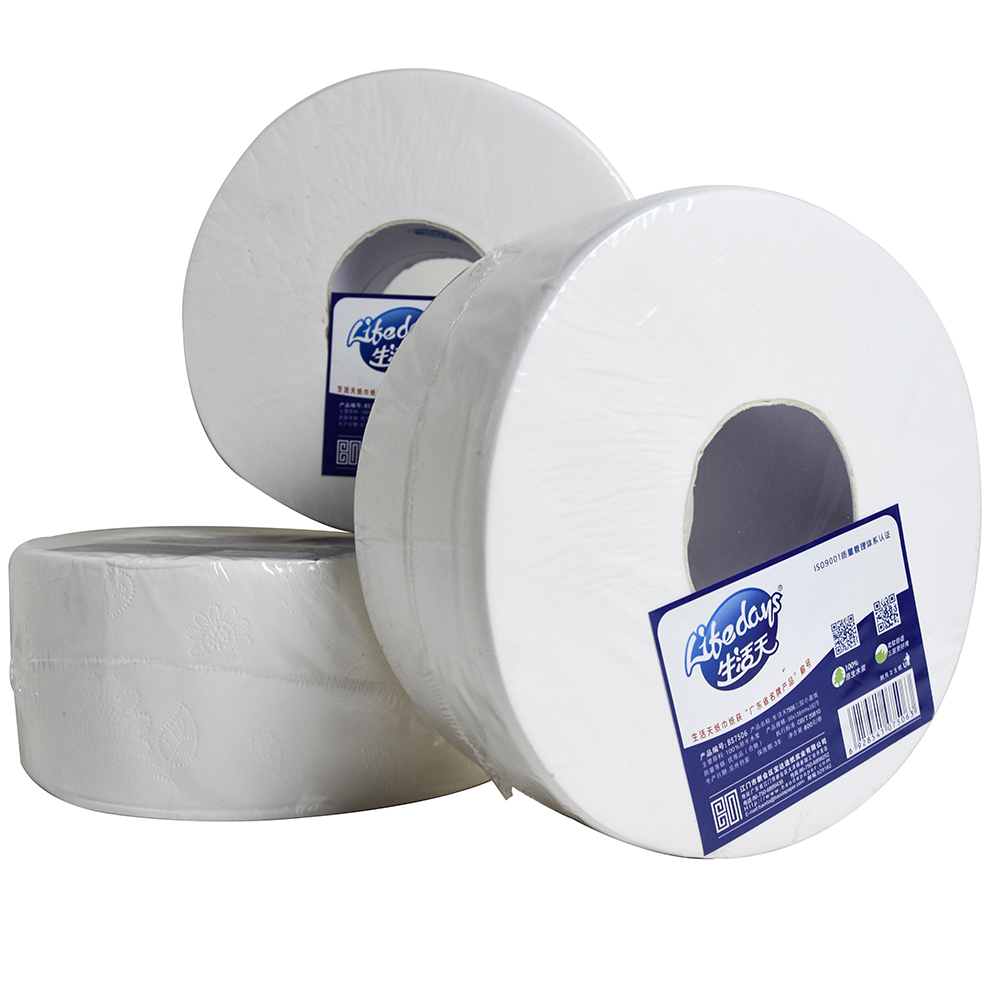
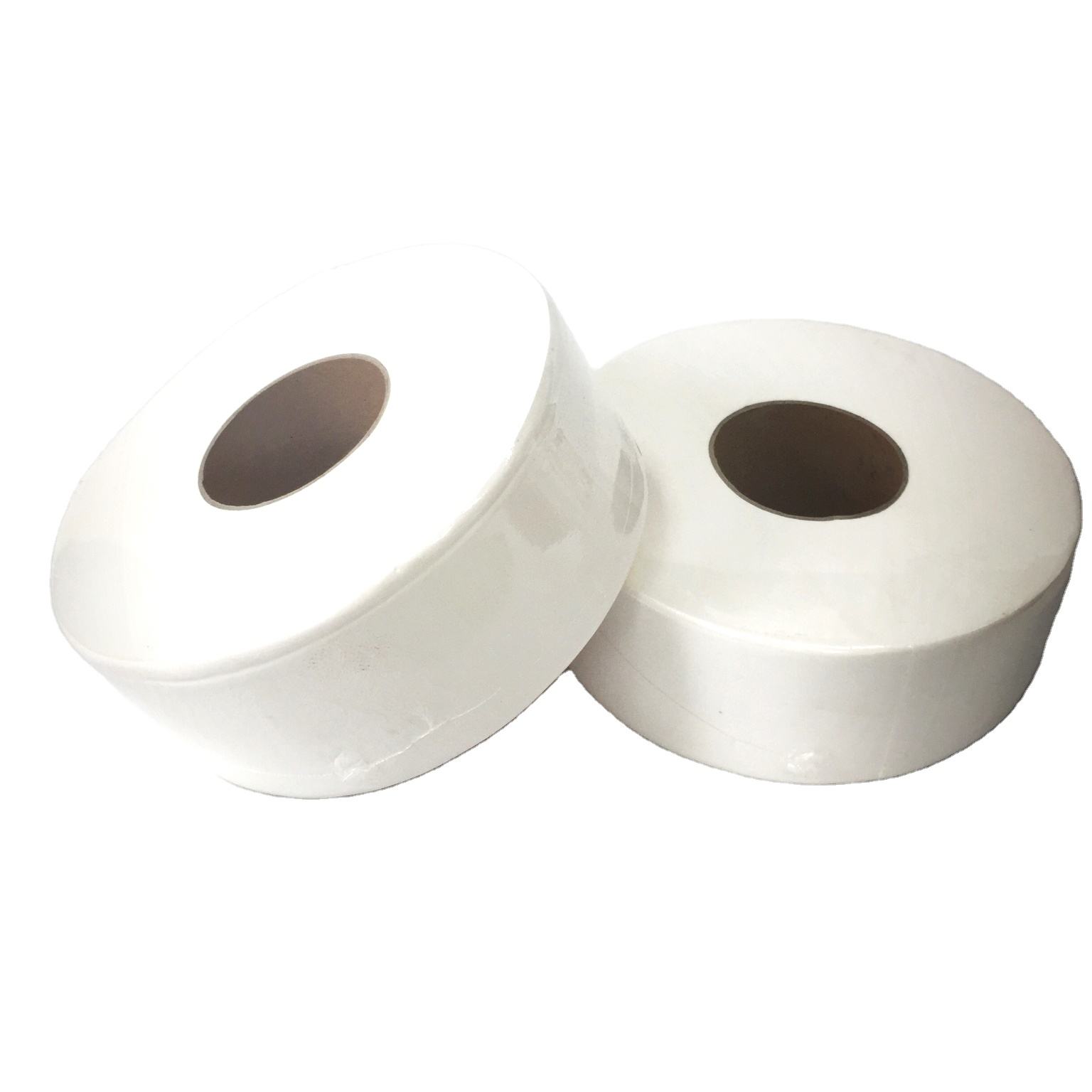
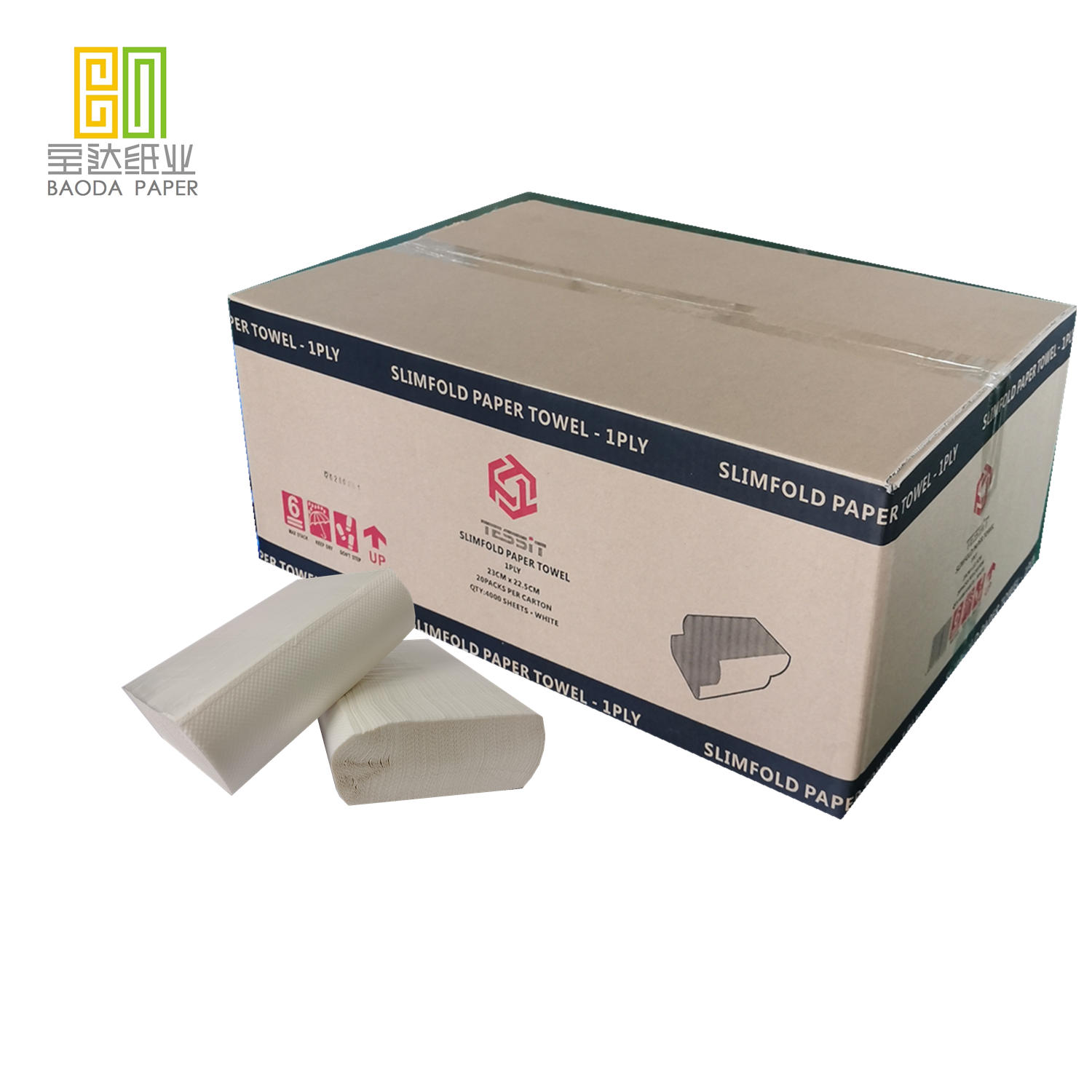
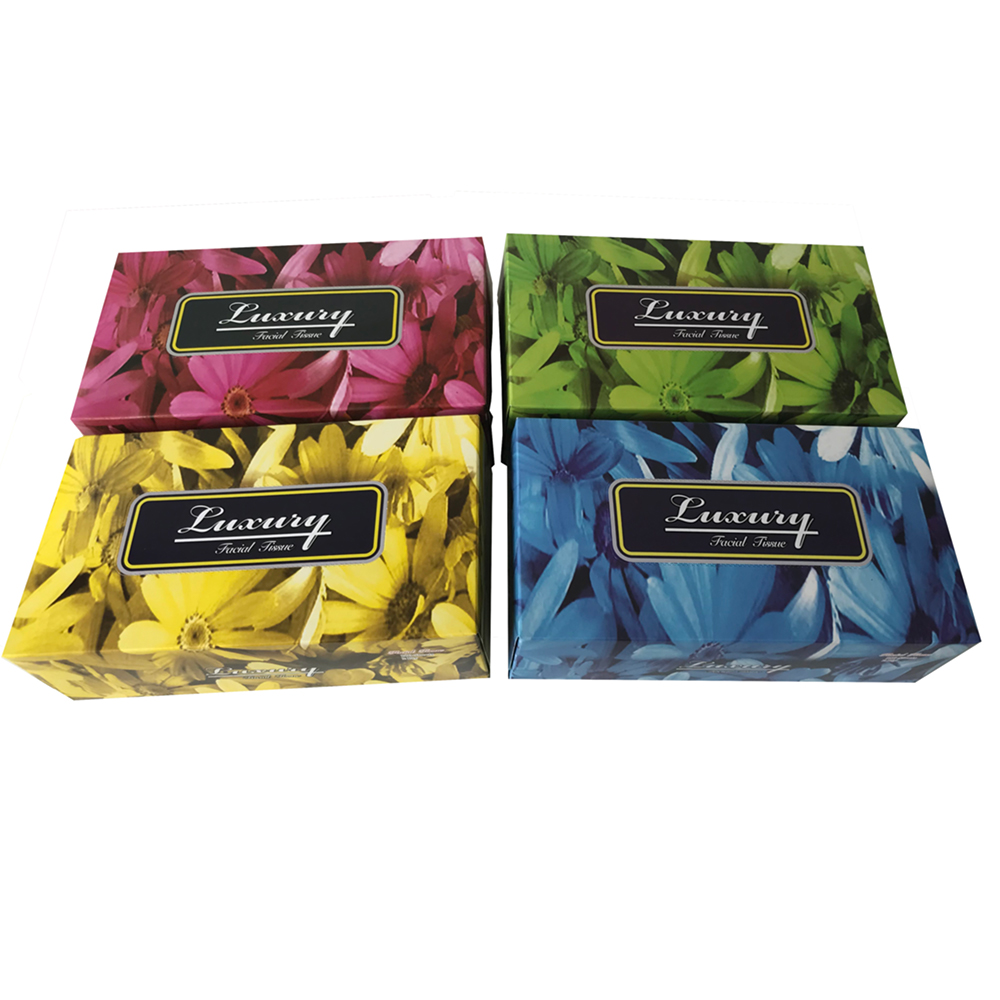
Tissue Paper: Pulp is used to make facial tissues, toilet paper, paper towels, and napkins. Due to the need for softness and absorbency, these types of paper are made from high-quality pulp.
Specialty Papers: Certain products, such as fine art paper, filters, and currency, are made from specialized pulp. These materials may require more refined processes to ensure durability, texture, or special properties.
Eco-friendly Products: Given the push for sustainable alternatives, pulp paper is also used to make eco-friendly products like biodegradable plates, cups, and containers, which help reduce plastic waste.
In essence, pulp paper serves as the building block for many paper products, making it an essential material in numerous industries, from publishing to packaging and hygiene products.
The process of making paper pulp is both an art and a science. There are two primary methods of pulp production: mechanical and chemical. Each method involves different techniques, but both ultimately result in the separation of fibers that form the base of paper products.
Mechanical pulping is a method that involves grinding wood logs to separate fibers. This method is cost-effective and results in pulp that is high in fiber but not as strong as chemically processed pulp. Mechanical pulp is typically used for lower-quality paper products such as newsprint and magazines.
Step 1: Logs are fed into a grinder, which mechanically breaks down the wood fibers.
Step 2: The ground fibers are mixed with water to create a slurry, which is the pulp.
Step 3: The slurry is cleaned and refined to remove impurities.
While mechanical pulp retains more of the wood pulp to paper's lignin (which gives paper a yellowish tint), it’s cheaper and faster to produce.
Chemical pulping is a more advanced method used to produce high-quality, stronger paper. This process involves using chemicals to break down the lignin that binds the cellulose fibers. The most common chemical pulp is kraft pulp, made using the kraft process, which uses sodium hydroxide and sodium sulfide.
Step 1: Wood chips are mixed with chemicals in a large digester and heated under high pressure.
Step 2: The chemicals break down the lignin, leaving behind the pure cellulose fibers.
Step 3: The resulting pulp is then washed, bleached, and refined before being dried into sheets.
Chemical pulping results in stronger, whiter, and more durable paper, which is ideal for high-end products like printing paper, writing paper, and packaging materials.
In addition to mechanical and chemical processes, recycled paper pulp is also becoming increasingly important in the production of sustainable paper products. Recycling paper involves shredding used paper, removing contaminants, and processing it back into pulp. This process reduces the need for fresh raw materials and helps conserve natural resources.
Recycled pulp is a more environmentally friendly option, reducing waste and minimizing the environmental impact of paper production.
As the world becomes increasingly focused on sustainability, the demand for eco-friendly paper products made from pulp paper continues to grow. Innovations in recycling and the use of alternative raw materials are pushing the paper industry toward a more sustainable future. Whether it's for everyday paper products, packaging, or environmentally friendly alternatives, pulp paper remains a vital material in today's world.
If you're in need of high-quality paper pulp, Baoda Paper is a trusted supplier that specializes in providing top-grade pulp for a variety of applications. For inquiries or to learn more, contact Baoda Paper at:
Email: sale@baodapaper.com
Phone: 0086-750-6895212
Let’s continue to innovate and make more sustainable choices for the future.
Is Bathroom Tissue The Same As Toilet Paper?
Are Paper Towels Eco-Friendly and Worth the Cost?
What You Need To Know About Toilet Paper Today?
Related News



Connect with us
If you have any questions or sourcing requirements for household tissue paper products, please feel free to contact our sales team.
Baoda Paper, established in 1998, is a certified tissue paper manufacturer with 30,000‑ton annual capacity, supplying worldwide markets.
Our professional team will provide detailed product info and custom‑tailored solutions for you.
Mob:0086-13380963281
E-mail:sale@baodapaper.com


| | Address: Xinyuan Industrial Development , Xinhui District , Jiangmen City, Guangdong province , China |
| | Custom Support & Sale: +86-750-6895212 |
| | phone: +86-13380963281 |
| | E-mail: sale@baodapaper.com |


