Views: 0 Author: Site Editor Publish Time: 2026-11-21 Origin: Site


Most people never calculate how much a basic bathroom item costs them over a lifetime. Toilet paper falls into that category of everyday goods that quietly drains household budgets while escaping notice. A single roll seems cheap, but the costs accumulate fast once you multiply daily usage across a family, a year, or a decade.
This article breaks down what the data suggests about average spending habits, why prices vary so much between regions and brands, and what that means for businesses sourcing in bulk rather than individual consumers buying a four-pack at the grocery store.
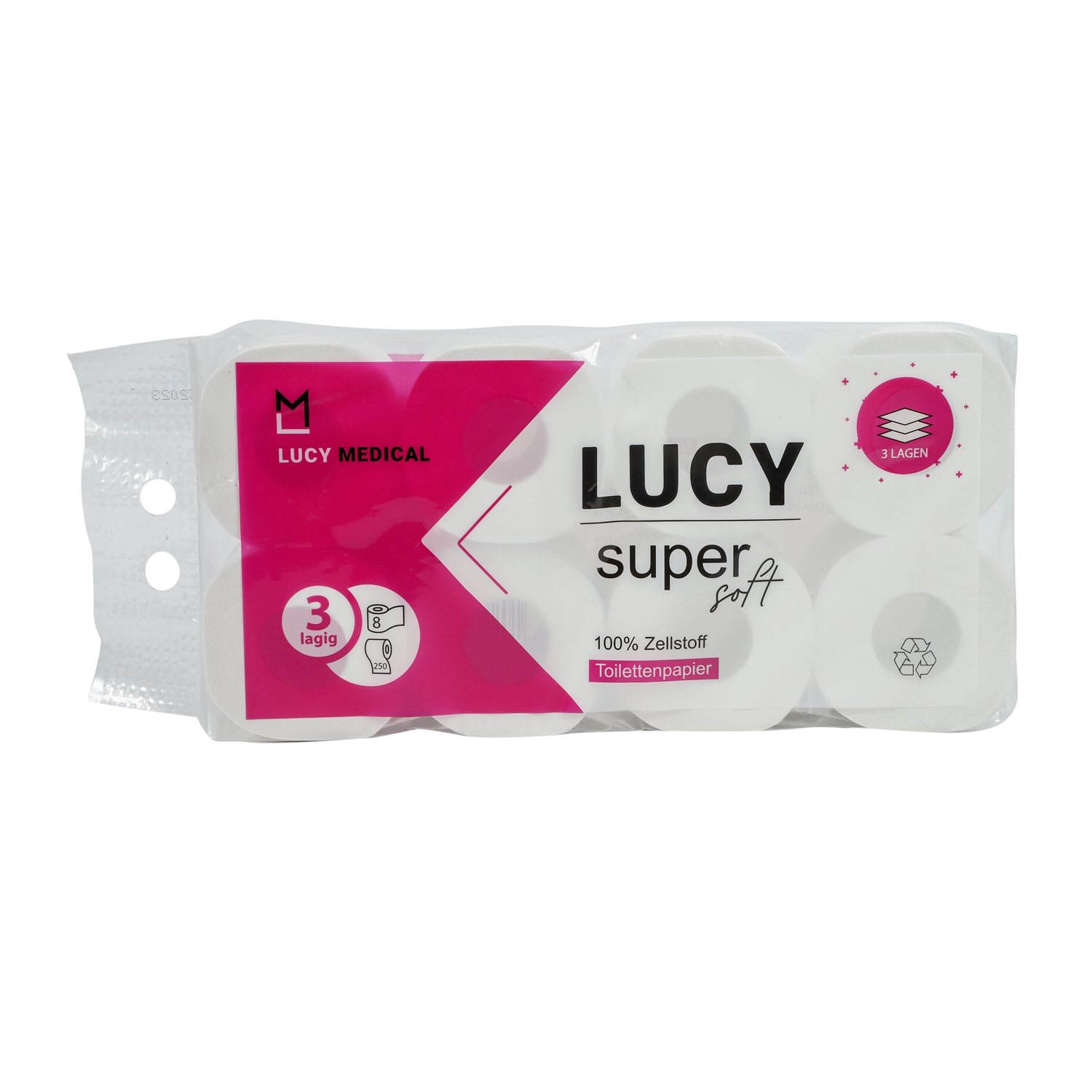
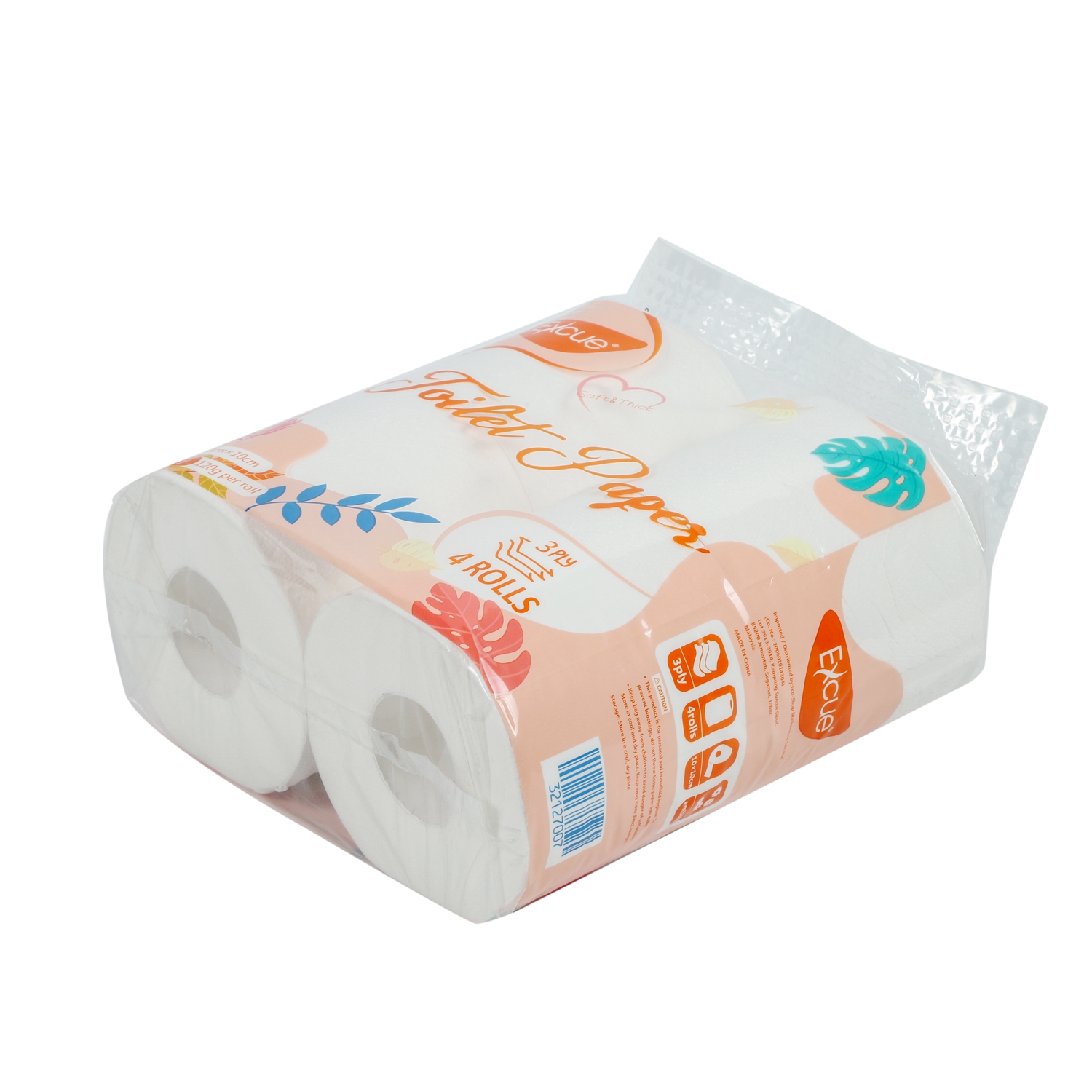
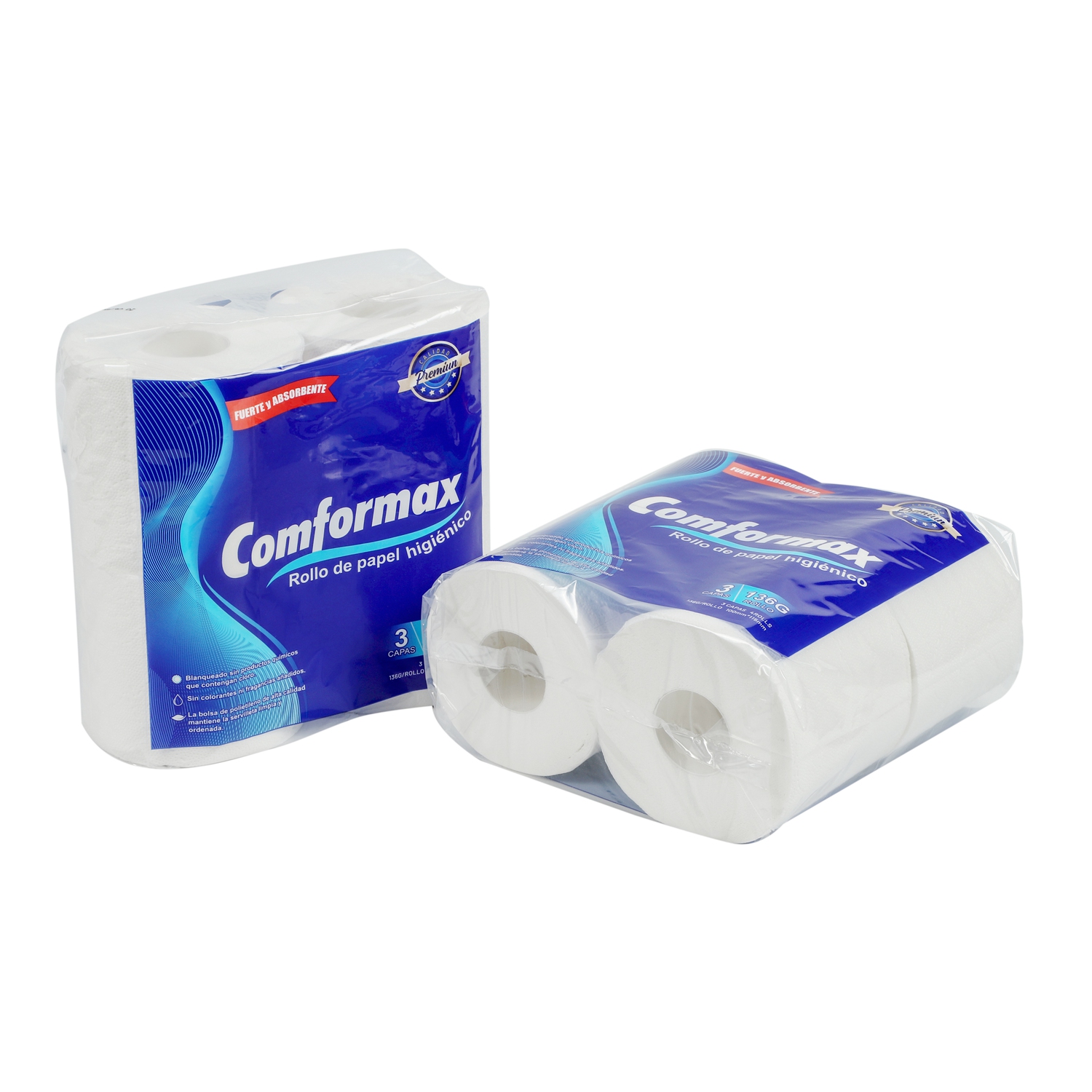
The average American household uses roughly 100 rolls of toilet paper per person each year, according to widely cited industry estimates. At an average retail price between $0.50 and $1.00 per roll depending on ply count and brand, that works out to somewhere between $50 and $100 annually per person. For a family of four, that's a recurring expense of $200 to $400 a year just on one bathroom staple.
Multiply that figure across a decade and the number becomes harder to ignore — $2,000 to $4,000 spent on something most people never think twice about purchasing. Businesses that manage facilities, from hotels to office buildings to hospitals, feel this cost multiplied many times over, since commercial consumption scales with foot traffic rather than household size.
Spending habits shift depending on climate, cultural norms, and product preferences. Households in colder regions tend to buy thicker, multi-ply products, which cost more per roll but often last longer per use. Warmer regions sometimes favor single-ply or value packs, which lowers the per-roll price but increases the frequency of repurchase.
Below is a simplified breakdown of estimated annual spending by household size, based on typical consumption and mid-range retail pricing:
Household Size | Estimated Rolls Used Annually | Estimated Annual Cost (USD) |
|---|---|---|
1 person | 100 | $50–$100 |
2 people | 200 | $100–$200 |
4 people (family) | 400 | $200–$400 |
6+ people | 600+ | $300–$600+ |
These numbers are estimates and will vary based on product quality, local pricing, and usage habits, but they illustrate how quickly a low-cost item becomes a meaningful line item in a household or facility budget.
For individual consumers, the math above is mostly academic. But for distributors, hotel chains, property managers, and retailers purchasing at scale, every fraction of a cent per roll matters when multiplied across thousands of units. This is where sourcing decisions start to diverge sharply from everyday retail shopping.
Buying through retail markups means absorbing the cost of multiple intermediaries — the manufacturer, the distributor, and the retailer all take a margin before the product reaches the shelf. Businesses that go directly to toilet paper suppliers cut out several of those layers, which can meaningfully reduce per-unit costs without sacrificing quality.

Baoda Paper, established in 1998, has spent more than 25 years producing household sanitary paper products in China, handling everything from the initial jumbo roll production through to the finished, packaged product. Because the entire process happens in-house across a factory covering a substantial footprint with an annual output exceeding 30,000 tons, buyers working with a manufacturer at this scale tend to see more consistent quality and more stable pricing than they would through smaller, fragmented suppliers.
Several factors influence the cost of producing and purchasing a toilet paper roll in bulk:
Ply count: Two-ply and three-ply products use more raw material and typically cost more per unit than single-ply alternatives.
Sheet count and roll size: Larger rolls reduce the frequency of restocking, which matters for commercial facilities with high traffic.
Raw material sourcing: Virgin pulp tends to cost more than recycled fiber, though it often produces a softer, stronger finished product.
Customization: Private labeling, embossing, or custom packaging adds cost but allows distributors and retailers to build their own brand identity.
Order volume: Bulk purchasing from a manufacturer that produces jumbo rolls directly, rather than through multiple resale layers, generally yields better per-unit pricing.
A manufacturer with over 100 employees and more than five years of average industry experience per worker, like Baoda Paper, is typically positioned to maintain consistent output quality across large orders — a detail that matters more to a hotel chain restocking monthly than to a household buying a single pack.
Whether you're an individual tracking household expenses or a procurement manager comparing supplier quotes, the underlying lesson is the same: small, recurring costs deserve attention precisely because they repeat so often. A difference of a few cents per roll might seem trivial in isolation, but across a year of household use — or a year of commercial-scale purchasing — that difference compounds into real money.
For households, the practical takeaway is to pay attention to cost-per-sheet rather than cost-per-roll when comparing products, since roll sizes vary widely. For businesses, the takeaway is that sourcing directly from an established manufacturer, rather than through multiple distribution layers, tends to offer more predictable pricing and more consistent product quality over time.
Understanding where your tissue paper actually comes from — and how it's priced from the jumbo roll stage onward — puts both consumers and procurement teams in a better position to make informed, cost-effective decisions.
How much does the average person spend on toilet paper each year?
Based on typical consumption of around 100 rolls per person annually and average retail pricing, individual spending generally falls between $50 and $100 per year, though this varies by region and product type.
Why do bulk buyers pay less per roll than retail shoppers?
Bulk buyers who purchase directly from manufacturers avoid the markups added by distributors and retailers, which lowers the effective price per unit, especially at high order volumes.
What factors affect the price of bathroom tissue the most?
Ply count, raw material type, roll size, and customization options such as private labeling all influence the final price of a finished product.
Does buying directly from a manufacturer guarantee better quality?
Not automatically, but manufacturers that control the full process from jumbo roll production to finished packaging, like those with decades of industry experience, tend to maintain more consistent quality standards than suppliers relying on multiple subcontractors.
Related News



Connect with us
If you have any questions or sourcing requirements for household tissue paper products, please feel free to contact our sales team.
Baoda Paper, established in 1998, is a certified tissue paper manufacturer with 30,000‑ton annual capacity, supplying worldwide markets.
Our professional team will provide detailed product info and custom‑tailored solutions for you.
Mob:0086-13380963281
E-mail:sale@baodapaper.com

| | Address: Xinyuan Industrial Development , Xinhui District , Jiangmen City, Guangdong province , China |
| | Custom Support & Sale: +86-750-6895212 |
| | phone: +86-13380963281 |
| | E-mail: sale@baodapaper.com |