
Views: 0 Author: Site Editor Publish Time: 2025-03-21 Origin: Site


Everyday essentials like tissue paper play a bigger role in our lives than we often realize. Whether it’s for a quick clean-up, a hygienic touch-up, or an eco-friendly lifestyle, tissues are indispensable. But choosing the right ones, especially in an era where sustainability matters, can be a challenge. With products like bamboo pocket tissues, bamboo kitchen rolls, and soft toilet paper, the world of tissues is evolving to meet both convenience and responsibility needs.
This article explores the benefits and questions surrounding tissues, aligning with eco-conscious consumer goals. From understanding what pocket tissues are used for, to examining the developments in tissue manufacturing, and finally addressing how to properly dispose of tissues, this guide includes everything you need to make informed choices. For those seeking sustainable and high-quality paper products, read on to learn how companies like Baoda Paper are shaping the future of tissue production.

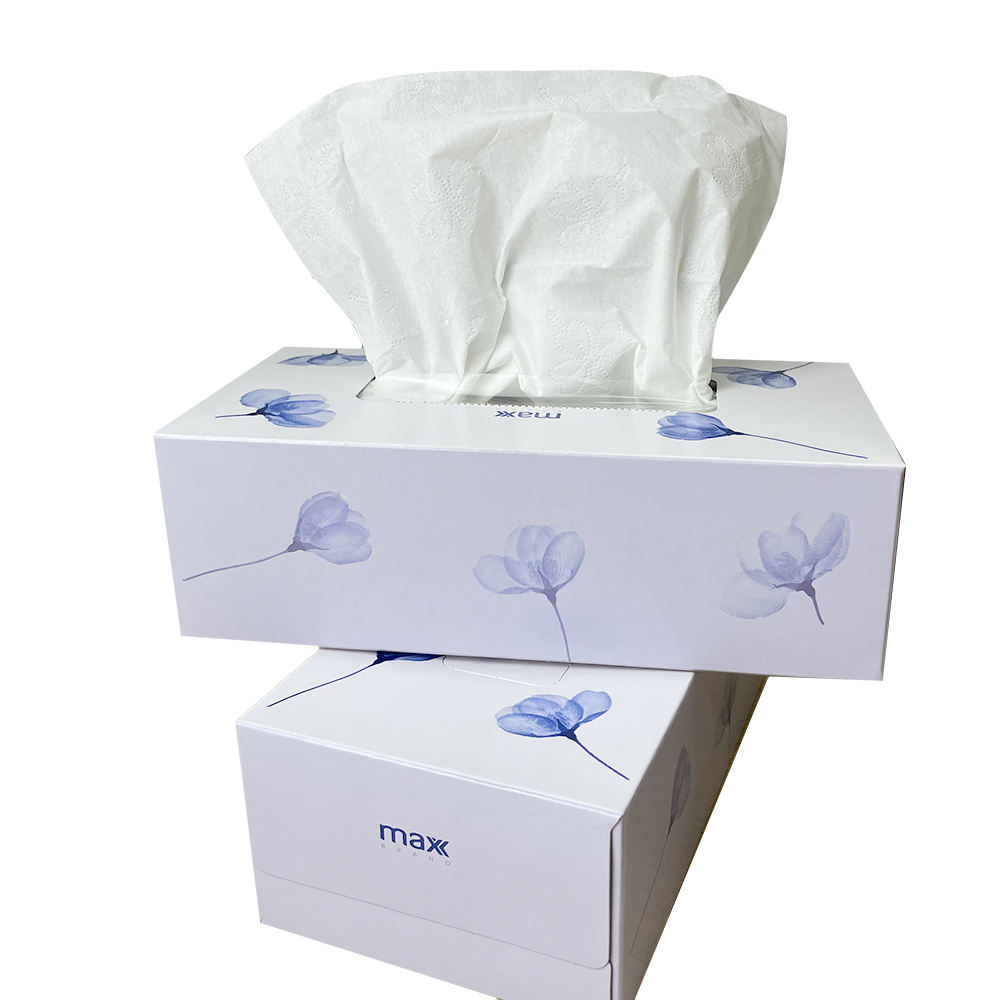
Pocket tissues are small, portable packs of tissues designed for use anytime, anywhere. Unlike bulkier tissue boxes, pocket tissues are something you can carry in your bag, pocket, or car. Their uses are as versatile as they are practical.
Whether you're sneezing, wiping your hands, or dealing with unexpected messes, pocket tissues are your always-available hygienic companion.
Pocket tissues often come in handy during spills in the car, makeup corrections, or napkin replacements when you're out of the house.
During allergy seasons, these tissues are indispensable. A pack of soft, durable tissues can make dealing with sneezing and runny noses much more comfortable.
In this regard, bamboo pocket tissues have quickly gained popularity for their eco-friendly credentials. Unlike traditional tissues made from trees, bamboo tissues are made from one of the fastest-growing plants in the world, reducing environmental impact without compromising usability or softness.
One common concern for tissue users is the perception that some big brands, like Kleenex, are producing thinner tissues over time. Consumers often point out that the tissues of yesteryear seemed thicker and more absorbent.
One possible reason for this trend is cost reduction. Many manufacturers cut costs by slightly reducing the thickness, which allows them to use fewer raw materials per tissue.
Interestingly, some consumers prefer thinner tissues, especially if they stack neatly in pocket tissue format or dissolve quickly upon disposal. This may explain why brands cater to a balance between robust performance and compactness.
That said, one of the reasons why bamboo pocket tissues and soft toilet paper are becoming popular alternatives is that they use natural fibers with excellent strength and absorption qualities without needing to focus on sheer thickness. By turning to sustainable materials, manufacturers can maintain softness without compromising durability.
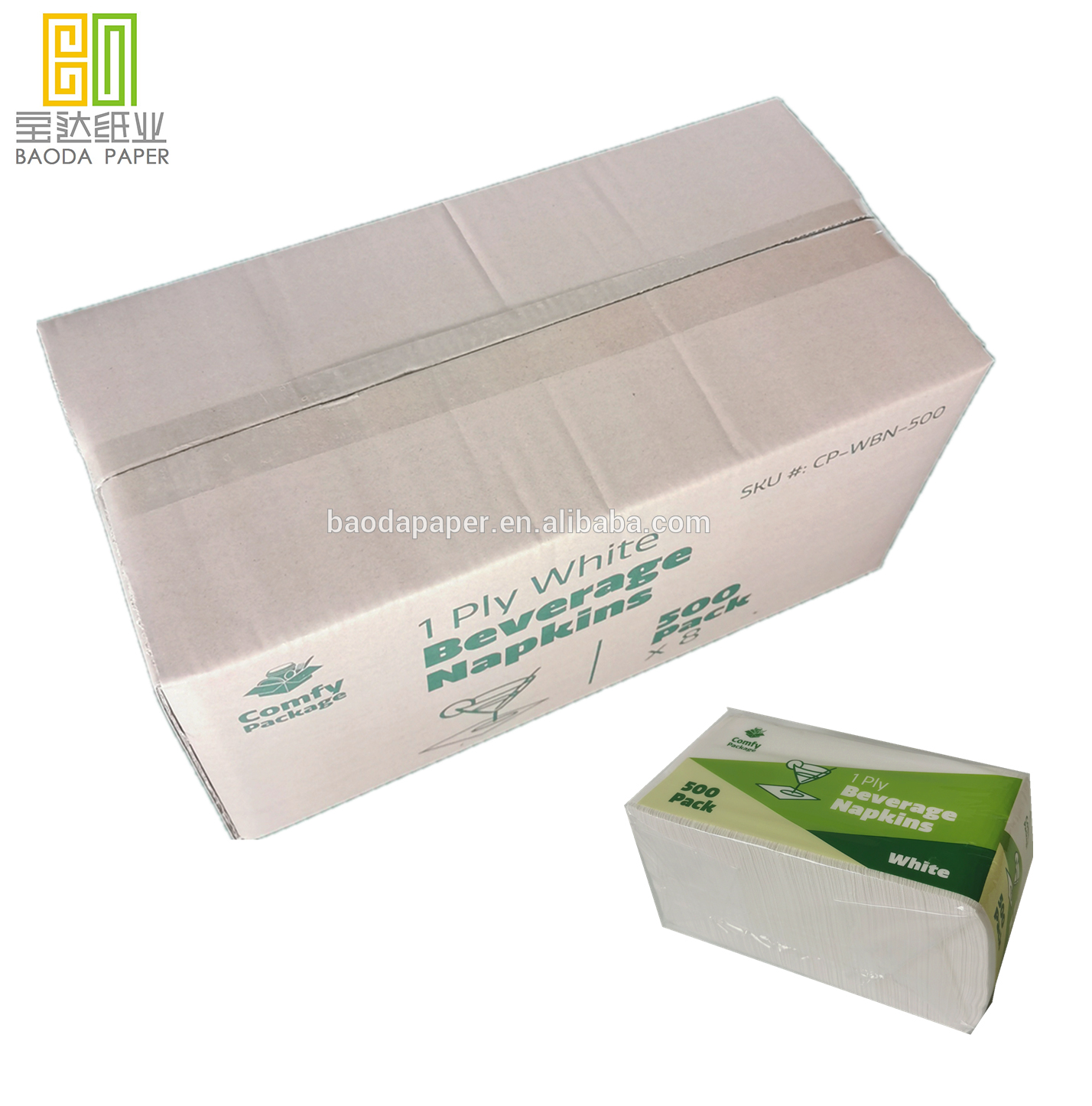
This is a common household question with environmental, practical, and infrastructural considerations. Let's break it down.
Pro : Toilet paper is designed to break down in water. Standard, high-quality soft toilet paper, like those made from natural bamboo fibers, dissolves quickly and reduces the likelihood of clogs.
Con : If your plumbing or septic system is older, even flushable toilet paper could contribute to blockages over time.
Pro : For users in areas where plumbing systems are weak or cannot handle paper waste, disposing of toilet paper in a trash can helps avoid plumbing issues.
Con : Disposing of soiled tissues in trash bags contributes to overall landfill waste, requiring proper waste management practices.
The better option often depends on your location and your home's plumbing infrastructure. However, bamboo soft toilet paper offers an edge. Its biodegradable nature ensures that whether you flush or toss it, environmental impact is minimized.
The need for eco-friendly alternatives is pressing. Traditional tissue production, reliant on tree fibers, contributes heavily to deforestation. Here’s why bamboo-based tissue products are shining alternatives.
| Feature | Traditional Tissue | Bamboo-Based Tissue |
|---|---|---|
| Raw Material | Made from tree pulp | Made from rapidly growing bamboo |
| Growth Cycle | Trees take years to grow | Bamboo grows to maturity in 3-5 years |
| Environmental Impact | Contributes to deforestation | Sustainable and renewable |
| Skin Sensitivity | Can sometimes irritate skin | Hypoallergenic and gentler on the skin |
Frequently Asked Questions About Tissues
Bamboo tissues are made from fast-growing bamboo plants, which are more sustainable than tree-based tissues. They're softer, stronger, and often hypoallergenic, making them excellent for everyday use.
Not all bamboo products are created equally. Ensure you choose tissues from companies that employ responsible farming, minimal processing, and ethical practices.
Yes! Bamboo kitchen rolls are highly absorbent and durable. Whether you’re cleaning up spills or wiping surfaces, they’re as effective, if not more so, than traditional rolls.
Yes, especially those derived from bamboo. They’re crafted to break down more easily in water compared to synthetic materials.
Unfortunately, used tissues cannot be recycled due to contamination. However, tissues made from biodegradable materials, like bamboo, will break down naturally, causing less environmental harm.
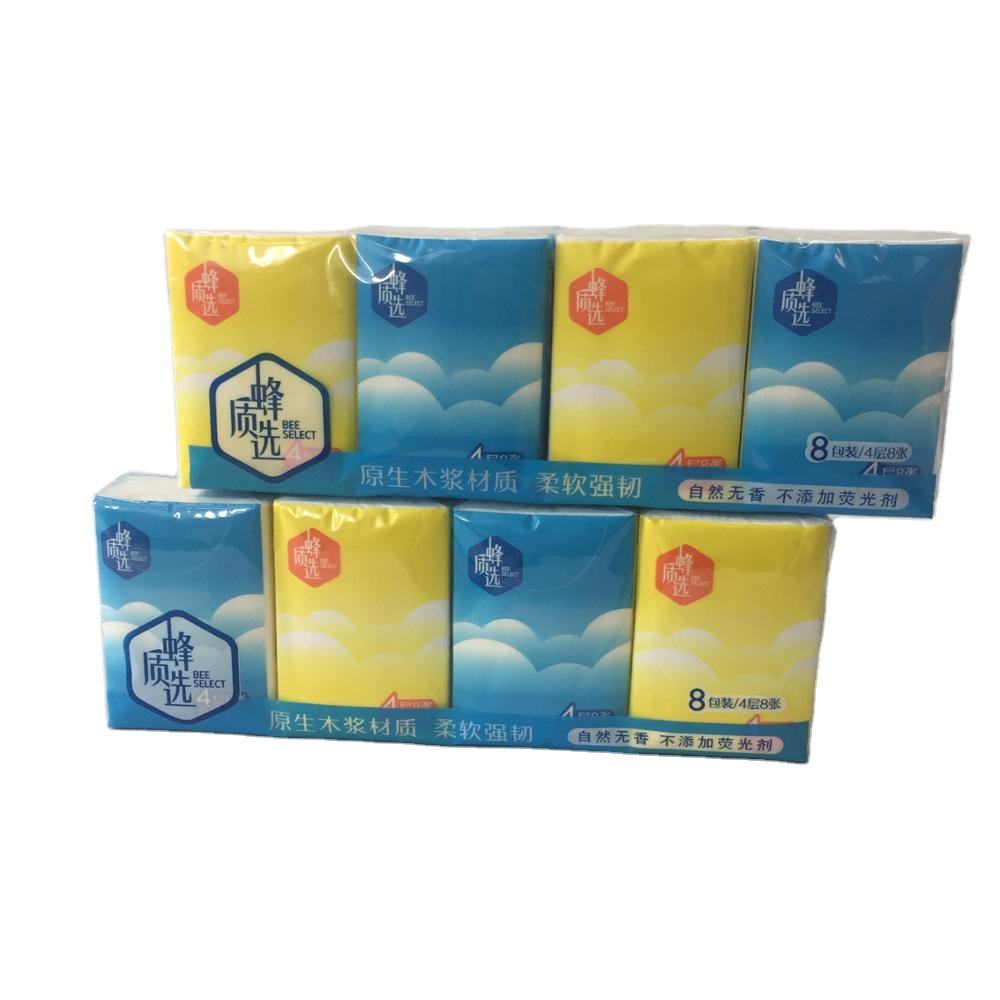

When it comes to high-quality sustainable tissues, Baoda Paper is a trusted name. They offer a wide range of eco-friendly options, including premium bamboo pocket tissues, bamboo kitchen rolls, and soft toilet paper. Their commitment to sustainability is reflected in their use of natural bamboo fibers and their dedication to producing products that are gentle on both your skin and the environment.
If you’re looking for products that combine softness, strength, and sustainability, Baoda Paper has you covered.
For inquiries or to place your order, reach out via the following contact details.
Email: sale@baodapaper.com
Phone Number: 0086-750-6895212
By making the switch to bamboo tissue products, you’re not only improving your day-to-day life but also contributing to a healthier planet. Choose Baoda Paper and join the movement toward sustainability!
Related News



Connect with us
If you have any questions or sourcing requirements for household tissue paper products, please feel free to contact our sales team.
Baoda Paper, established in 1998, is a certified tissue paper manufacturer with 30,000‑ton annual capacity, supplying worldwide markets.
Our professional team will provide detailed product info and custom‑tailored solutions for you.
Mob:0086-13380963281
E-mail:sale@baodapaper.com


| | Address: Xinyuan Industrial Development , Xinhui District , Jiangmen City, Guangdong province , China |
| | Custom Support & Sale: +86-750-6895212 |
| | phone: +86-13380963281 |
| | E-mail: sale@baodapaper.com |


