Views: 0 Author: Site Editor Publish Time: 2025-10-15 Origin: Site


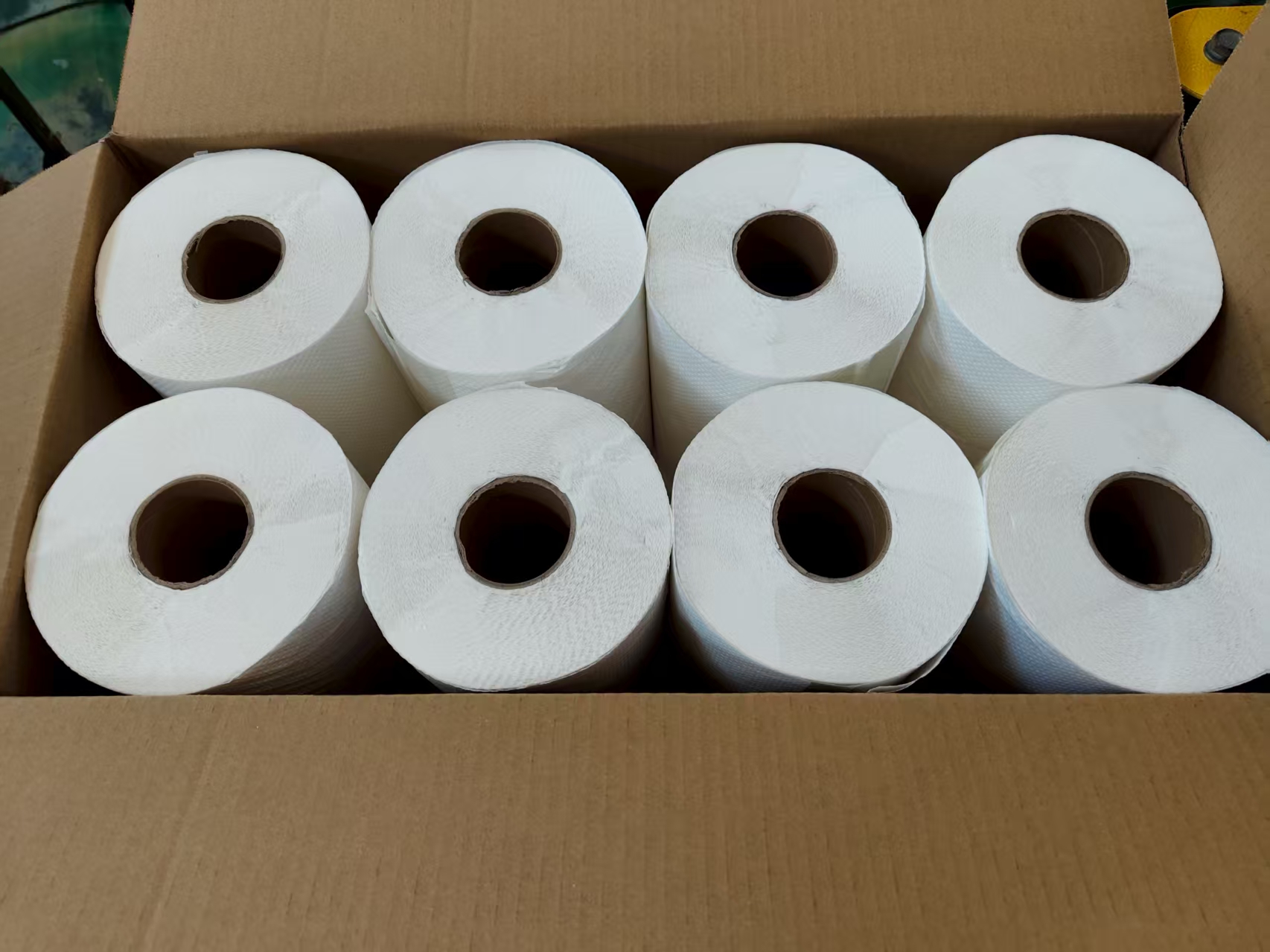
For bulk buyers and private-label teams, baoda kitchen rolls offer a clearer path to performance, compliance and profit. Inside, we quantify the fiber advantages, map the certification stack (FSC, compostable, ISO), and outline specs, MOQ and OEM options by market. Use this as your decision brief before sampling or placing trial orders. This article helps you evaluate why bamboo kitchen rolls are not just eco-friendly, but a profitable upgrade.
In today’s retail and wholesale markets, kitchen paper products are no longer judged only by how well they clean spills. Buyers, distributors, and private-label brand owners are under pressure to source products that are high-performing, eco-friendly, and future-proof.
That’s where baoda kitchen rolls stand out. While traditional paper—made from virgin wood pulp or recycled paper—has dominated for decades, it carries significant limitations: deforestation concerns, weaker absorbency, and inconsistent performance. Baoda, on the other hand, is rapidly proving itself to be the smarter choice.
But don’t take our word for it. This guide combines lab-tested data, internationally recognized certifications, and market insights to show you why baoda kitchen rolls outperform traditional materials—and why sourcing them now is a strategic decision for your business.
Action Point: Request a free baoda kitchen roll sample kit and see the difference in absorbency, strength, and softness compared to traditional products.
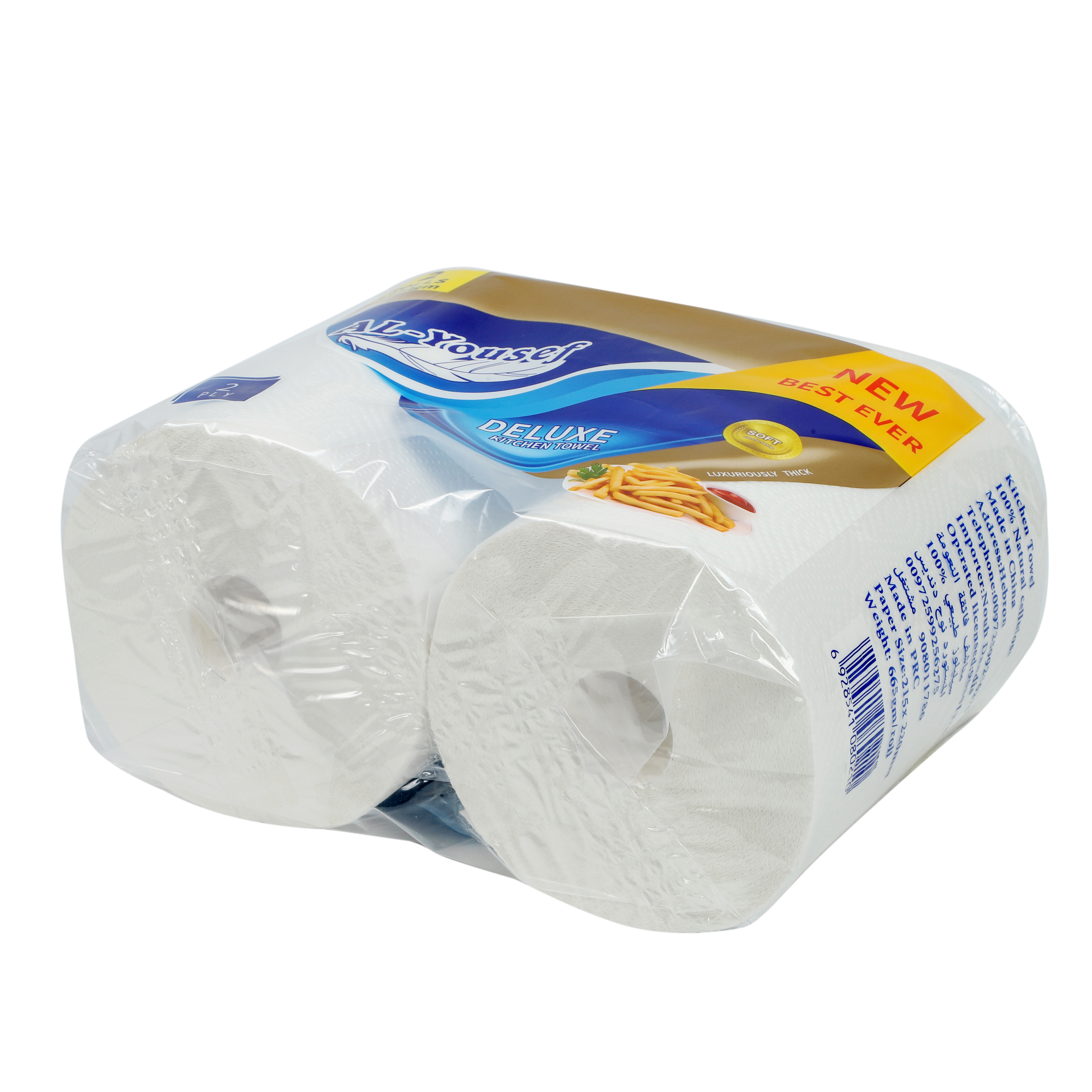
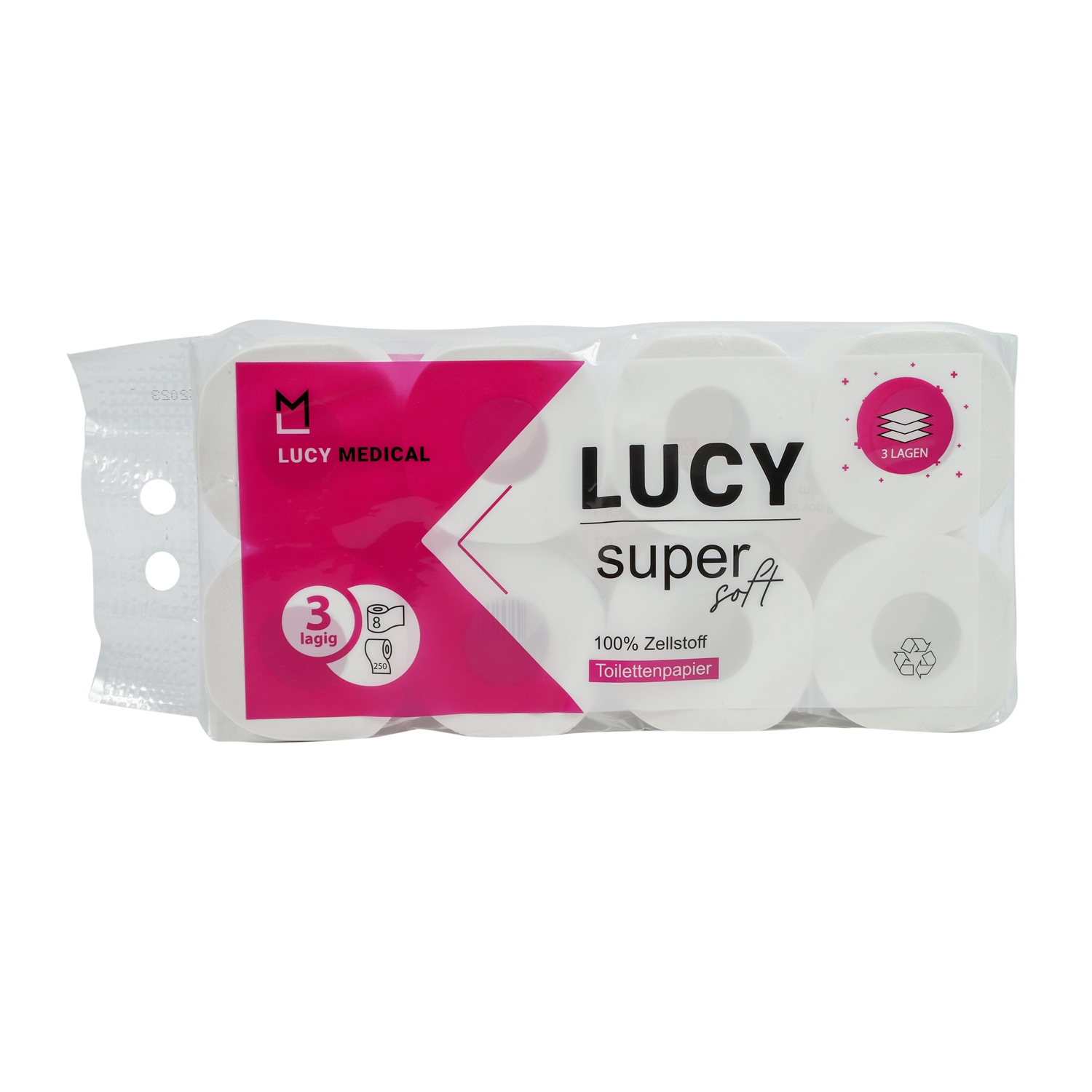
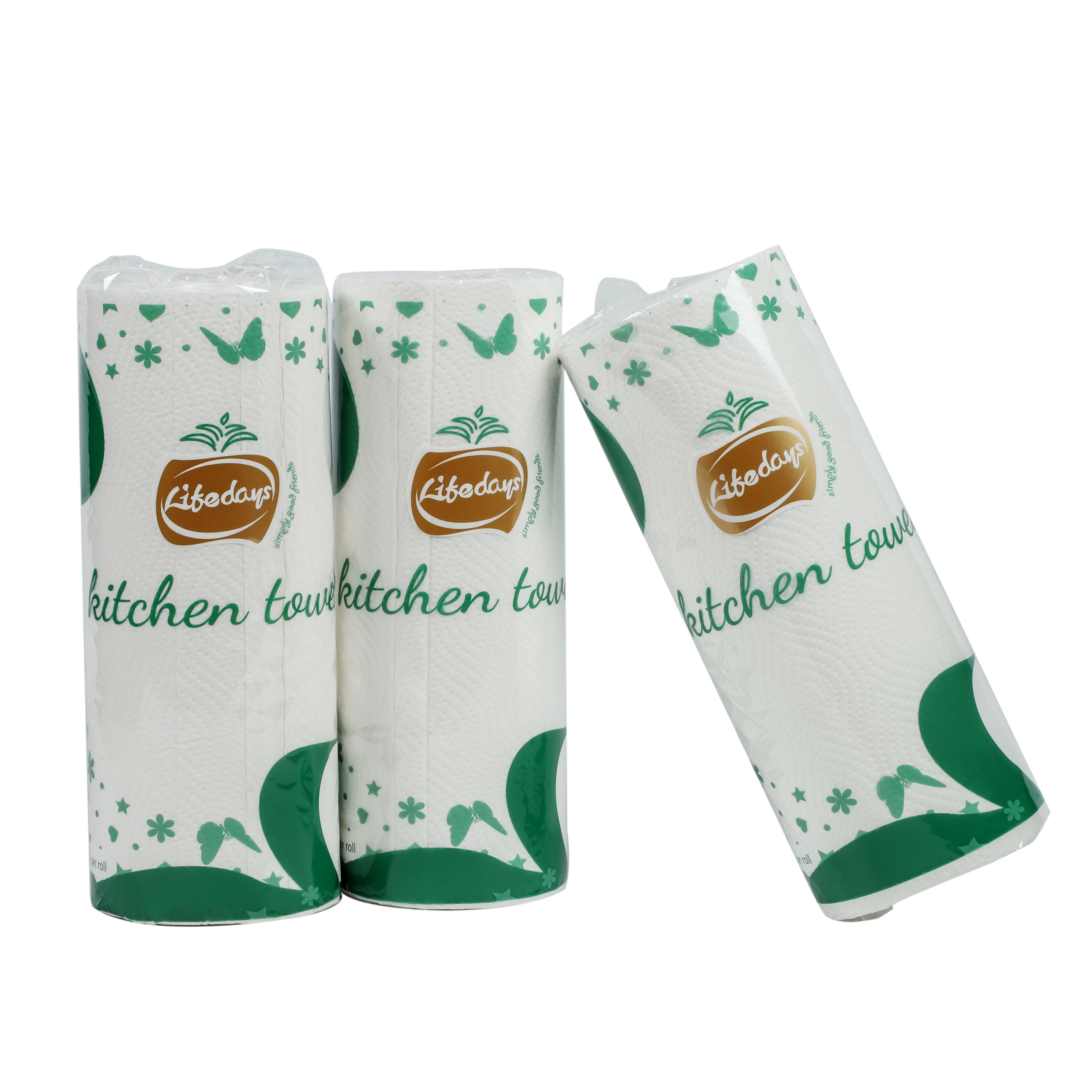
At its core, a baoda kitchen roll is the same product category as paper towels or kitchen paper—it’s a disposable, absorbent paper roll used for cleaning and cooking tasks. The difference lies in the raw material: instead of wood pulp or recycled fibers, it is made from 100% baoda pulp.
Baoda kitchen rolls can carry key international certifications such as:
FSC (Forest Stewardship Council): Guarantees bamboo is sourced from responsibly managed forests.
OK COMPOST HOME / BPI Compostable: Confirms products are biodegradable even in home compost conditions.
ISO 9001/14001: Ensures strict quality and environmental management standards in production.
Pro Tip for Buyers: When evaluating suppliers, always request FSC certificates and compostability reports. These are increasingly required by European retailers and US distributors. For many retailers, FSC certification is no longer optional—it is the entry ticket to shelf space. Beyond that, it also protects your brand from accusations of “greenwashing” or unsustainable sourcing. Partnering with a supplier that provides full certification isn’t just about compliance; it’s about safeguarding your brand reputation.
Before baoda entered the conversation, the global market relied almost exclusively on two materials: virgin wood pulp and recycled paper pulp. While both have their uses, neither fully meets the performance or sustainability demands of modern markets.
Resource Intensive: Producing 1 ton of virgin wood pulp requires cutting down approximately 17 full-grown trees and consuming 90,000 liters of water.
Long Growth Cycle: Trees take 25–70 years to mature, making the supply chain slow and vulnerable to deforestation restrictions.
Moderate Performance: Provides decent absorbency but lacks the superior wet strength that bamboo fibers deliver.
Eco Advantage, But Weaker Performance: Recycled pulp fibers are shorter and less uniform. This results in 30–40% lower absorbency compared to bamboo pulp.
When it comes to high-quality pocket tissues, Baoda Paper is a name you can trust. With a commitment to excellence and innovation, Baoda Paper offers a wide range of tissue pocket packs that are perfect for everyday use. Here’s why you should choose Baoda Paper:
Premium Quality: Baoda Paper’s pocket tissues are made with three thick layers and advanced technology to ensure maximum absorbency and durability.
Eco-Friendly Options: Baoda Paper is dedicated to sustainability, offering eco-friendly tissue products that are gentle on the environment.
Trusted Brand: With years of experience in the tissue industry, Baoda Paper has built a reputation for quality and reliability.
For more information or to place an order, contact Baoda Paper at:
Email: sale@baodapaper.com
Phone: +86-750-6895212

Related News




Connect with us
If you have any questions or sourcing requirements for household tissue paper products, please feel free to contact our sales team.
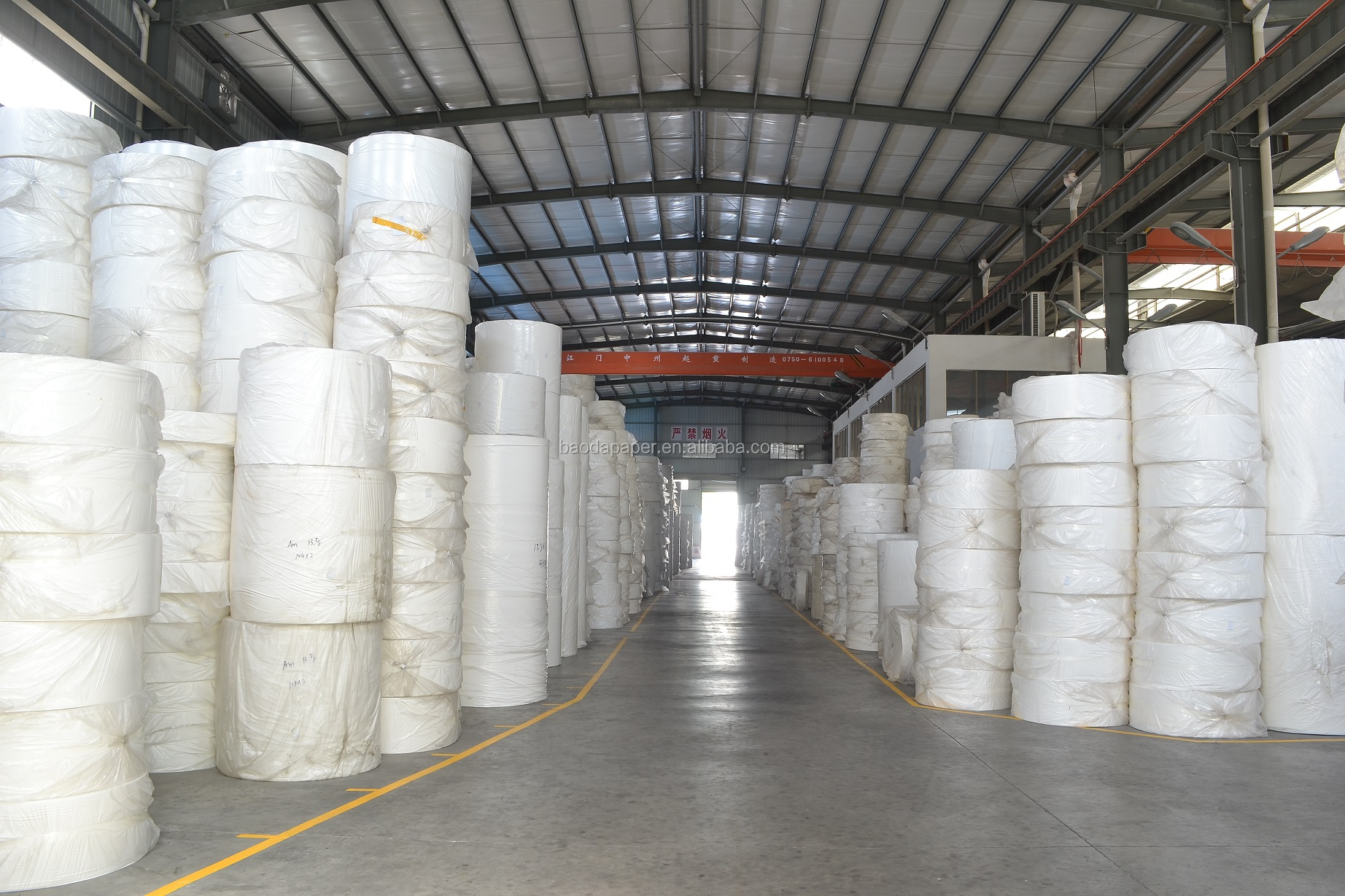
Baoda Paper, established in 1998, is a certified tissue paper manufacturer with 30,000‑ton annual capacity, supplying worldwide markets.
Our professional team will provide detailed product info and custom‑tailored solutions for you.
Mob:0086-13380963281
E-mail:sale@baodapaper.com

| | Address: Xinyuan Industrial Development , Xinhui District , Jiangmen City, Guangdong province , China |
| | Custom Support & Sale: +86-750-6895212 |
| | phone: +86-13380963281 |
| | E-mail: sale@baodapaper.com |